
Plants
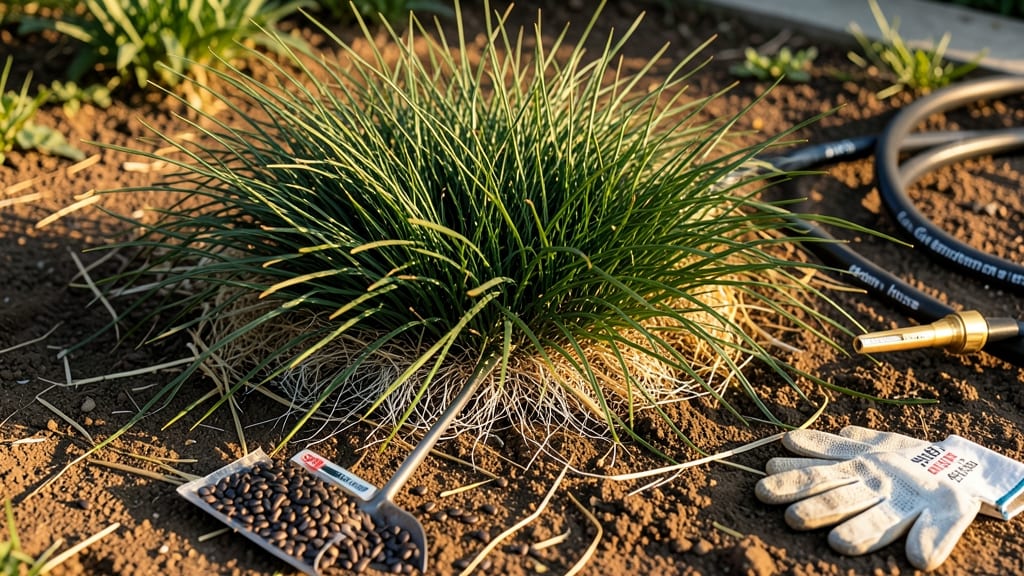
Planting Bermuda grass seed in South Carolina at the wrong time can turn your dreamy green lawn into a frustrating patchwork of slow growth and wasted effort.
This warm-season grass thrives when soil temperatures hit 75°F+, but rushing it too early or waiting too long throws off the whole process.
If you've ever stared at your lawn wondering why your Bermuda grass 🌱 isn't taking off, timing is likely the culprit.
The late spring to early summer window (April-June) offers the perfect balance of warmth and moisture for fast, reliable germination—but getting it wrong means dealing with weak seedlings or fungal issues.
What makes South Carolina unique? Coastal areas have different frost patterns than inland zones, and humidity levels can dramatically affect seedling success. I'll break down exactly when to plant based on your specific region, plus pro tips to give your lawn the fast, lush start it deserves.
Ready to transform your yard? Let's dive into the exact timing, prep work, and common mistakes that could be sabotaging your Bermuda grass—before you even plant the first seed.
Optimal planting windows for Bermuda grass seed in South Carolina by region
South Carolina’s diverse climate means your Bermuda grass planting window varies dramatically from the Upstate to the Coastal Plain. The key factor isn’t just the calendar date—it’s soil temperature, which must stay above 75°F for 7+ days before planting.
Below, I’ll break down the exact windows for each region, including how humidity and last frost dates affect your timing.
For Upstate SC (Greenville, Spartanburg), aim for mid-April to early May. This region experiences the latest spring frosts, often lingering until April 15.
Wait until nighttime lows consistently stay above 55°F—use a soil thermometer to confirm 75°F+ at 4-inch depth. Planting too early risks frost damage to seedlings.
In the Midlands (Columbia, Rock Hill), your window opens slightly earlier: late March to mid-April. The Midlands’ warmer microclimates mean soil heats faster, but don’t rush—wait for stable 75°F+ soil temps. Humidity spikes in May can slow germination, so early April plantings often outperform late ones.
| Region | Last Frost Avg. | Optimal Planting Window | Soil Temp Threshold | Humidity Note |
|---|---|---|---|---|
| Upstate (Greenville) | April 15 | Mid-April to Early May | 75°F+ (4" depth) | Dryer air speeds germination |
| Midlands (Columbia) | March 25 | Late March to Mid-April | 75°F+ (4" depth) | May humidity slows growth |
| Coastal (Charleston) | March 10 | Early March to Late April | 70°F+ (4" depth) | High humidity speeds fungal risk |
The Coastal Plain (Charleston, Myrtle Beach) has the widest window: early March to late April. Warmer coastal soils reach 70°F+ earlier, but don’t plant before March 10—late frosts still occur.
Coastal humidity also increases fungal risks, so use fungicide-treated seed if planting in March. My advice? Wait until April 1-15 for the best balance of warmth and lower humidity.
If you’re in a transition zone (e.g., Florence or Sumter), split the difference: target late March to early April. These areas experience microclimate variability, so check your local SC State Climatology Office data for 5-year frost averages.
A soil thermometer ($15 at garden centers) is your best tool—plant only when temps hit 75°F+ for 3+ days.
Pro tip: Late spring plantings (May-June) work in all regions but require extra watering to compensate for higher evaporation. Use drip irrigation to keep soil consistently moist—Bermuda grass seed needs 1-1.5 inches of water weekly until germination (about 14-21 days).
One common mistake? Planting based on air temperature instead of soil temperature. Air can feel warm while soil stays cool—always check 4 inches deep.
I’ve seen gardeners in Upstate SC plant in early April when soil was 68°F, only to watch their seed rot in the ground.
For best results, align your planting with local rainfall patterns. Coastal areas get heavier spring rains, which can wash away seed. Use a starter fertilizer with thickening agents to help seed stay in place. Inland regions may need supplemental irrigation during May’s dry spells.
Remember: Bermuda grass is a warm-season grass, meaning it goes dormant in winter. Planting too late (after June 15) gives seedlings insufficient time to establish before fall’s cooling trend.
Aim for full establishment by August to ensure your lawn survives South Carolina’s first frost (Nov 15).
Optimal planting windows for Bermuda grass seed in South Carolina by region
South Carolina’s varied climate means Upstate, Midlands, and Coastal regions have different ideal planting windows for Bermuda grass seed. The key rule: wait until soil temperatures hit at least 75°F and all frost risk has passed. Coastal areas warm faster than Upstate, so timing shifts by 2-3 weeks between regions.
In the Upstate (USDA Zone 7b), aim for late April to early May when daytime highs consistently reach 75°F+.
The Midlands (Zone 8a) can start mid-April to early May, while Coastal SC (Zone 8a) often sees safe planting by early April due to milder winters and earlier soil warming.
Here’s how humidity and rainfall affect germination: Coastal areas benefit from higher humidity but may struggle with saltwater spray near the shore. Upstate regions face drier conditions post-planting, requiring consistent watering to prevent seed desiccation.
🌱
Early spring plantings (before April) risk frost damage or slow germination due to cool soils. Late plantings (after June) may struggle with summer heat stress before establishing roots.
The sweet spot is late April to early June when Bermuda grass can germinate, establish, and harden off before peak summer.
Use a soil thermometer to verify temperatures—65°F is the minimum for seed activation, but 75°F+ ensures faster growth. In Upstate areas, monitor local frost forecasts until May 15 as a safety margin.
For fastest establishment, prioritize June planting in Upstate and May in Coastal regions. This gives seedlings 8-10 weeks of warm weather to develop deep roots before winter dormancy.