
Plants
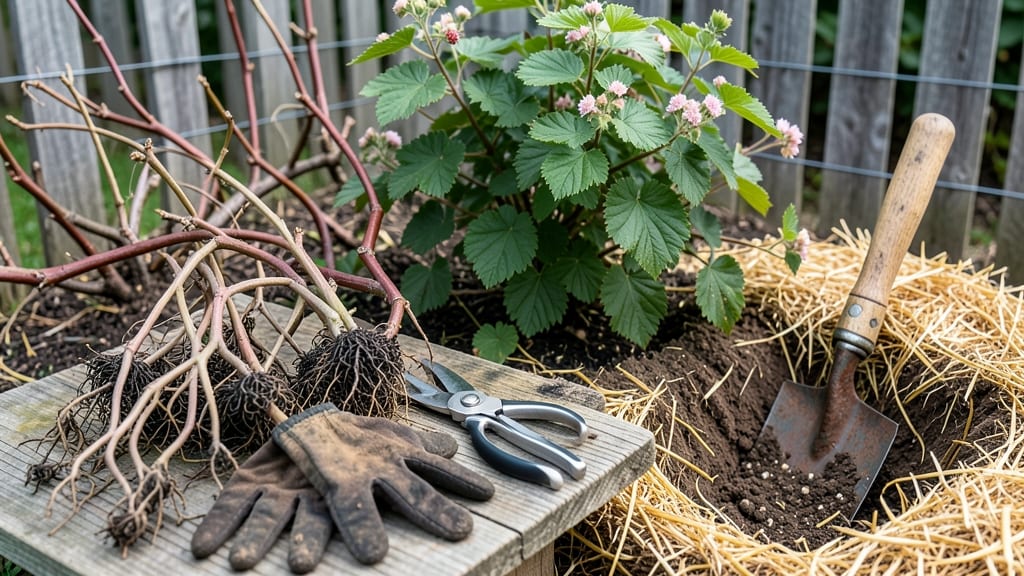
Timing your blackberry planting in Tennessee can mean the difference between thriving bushes and frost-killed starts—getting it wrong costs you an entire season's harvest. With USDA zones 6a-7b bringing unpredictable frost patterns, knowing the perfect window is key to success.
Most gardeners in Tennessee plant 🫐 blackberries in late winter to early spring (February-March) or fall (September-October), but the best time depends on your microclimate. Bare-root canes planted before new growth begins give your plants the strongest start, while potted varieties offer more flexibility for late-season planting.
Whether you're a first-time grower or a seasoned gardener, understanding local frost dates and soil temperatures will help you avoid common pitfalls. I'll break down exactly when to plant in your specific zone, plus tips for preparing your soil and protecting young plants from Tennessee's notorious late frosts.
Ready to grow juicy, homegrown blackberries? Let's dive into the frost-free planting timeline that works for Tennessee's climate—so you can enjoy that first harvest from June through August without the guesswork.
Best planting windows for Tennessee blackberries by Zone (6 & 7)
Tennessee's USDA Zones 6 and 7 create two distinct planting windows for blackberries, each with unique advantages.
In Zone 6 (northwest Tennessee), you'll want to plant 4-6 weeks before your last frost—typically late February to early March—while Zone 7 (middle/southern Tennessee) offers a slightly extended window into mid-March.
These timelines align with when soil temperatures reach 45-50°F, ideal for root establishment before summer heat arrives.
Fall planting is also viable in Tennessee, especially for bare-root canes, with September to early October being optimal. This gives roots time to establish before winter dormancy, but avoid planting too late—6-8 weeks before first frost is critical to prevent winter kill.
For example, in Nashville (Zone 7a), aim for September 15-October 15, while Chattanooga (Zone 7b) can extend to early November.
Microclimates play a huge role in Tennessee. If you're in a valley or low-lying area, frost can arrive 2-3 weeks earlier than higher elevations.
Use these local frost date guides to adjust your timeline: Memphis (Zone 7b) typically sees last frost around March 15, while Knoxville (Zone 7a) may experience it as late as April 1 in some years.
| Planting Window | USDA Zone | Soil Temp | Key Consideration | Tennessee Example |
|---|---|---|---|---|
| Late Winter (Bare-Root) | 6 & 7 | 45-50°F | Plant before buds break | Feb 20 - Mar 15 (Zone 6) Mar 1 - Mar 20 (Zone 7) |
| Early Spring (Potted) | 6 & 7 | 50-55°F | Hardier than bare-root | Mar 15 - Apr 15 (Both Zones) |
| Fall (Bare-Root) | 6 & 7 | 55-60°F | 6-8 weeks before frost | Sep 1 - Oct 15 (Zone 7) Sep 15 - Oct 1 (Zone 6) |
| Fall (Potted) | 6 & 7 | 50-55°F | More flexible timing | Aug 15 - Nov 1 (Zone 7) Sep 1 - Oct 15 (Zone 6) |
📅 Pro Tip: Use a soil thermometer to verify temperatures before planting
Bare-root blackberries are most commonly planted in Tennessee due to their hardiness and lower cost, but potted plants offer flexibility for fall planting. If you choose bare-root, soak the canes in water for 4-6 hours before planting to rehydrate roots.
For potted plants, avoid planting when soil is waterlogged—Tennessee's clay soils can hold too much moisture in spring, leading to root rot.
One common mistake Tennessee gardeners make is planting too early in fall, which can stimulate new growth that won't survive winter. If you're in Zone 6, wait until at least September 15 to give plants enough time to harden off.
In Zone 7, you have more leeway, but avoid planting after October 15 to prevent winter damage from freeze-thaw cycles.
Blackberries thrive in Tennessee's humid subtropical climate, but they need proper air circulation to prevent fungal diseases like anthracnose. When planting, space canes 4-6 feet apart in rows 8-10 feet apart.
This spacing also helps you manage thorny varieties like 'Chester' more easily. For trellising, install T-posts with wire supports at planting time to avoid disturbing roots later.
If you're planting in containers, choose 5-gallon pots or larger to accommodate mature root systems. Container-grown blackberries in Tennessee can produce 30-50% smaller yields than in-ground plants, but they offer mobility to protect from late frosts.
Use well-draining potting mix with 20% perlite to prevent compaction, which is especially critical in Tennessee's heavy clay soils.
After planting, mulch heavily (3-4 inches) with straw or pine needles to retain moisture and suppress weeds. In Tennessee's hot summers, mulch also helps regulate soil temperature, preventing root stress.
Water deeply 2-3 times per week for the first month, then taper to weekly deep waterings once established. Avoid overhead watering to <
Best planting windows for Tennessee blackberries by Zone (6 & 7)
Tennessee's USDA Zones 6 & 7 offer two ideal windows for planting blackberries: late winter/early spring and fall. Getting the timing right ensures your canes establish roots before extreme heat or cold sets in. In Zone 6 (northwest Tennessee), aim for mid-March to early April or September to early October. For Zone 7 (middle/southern Tennessee), you have a slightly longer window—late February to mid-April or August to late October. The key is planting when soil temperatures reach 50°F (10°C)—cold soil can stunt root growth. In Tennessee, this typically aligns with late February to early March in most regions. Fall planting works too, but schedule it 6-8 weeks before the first frost, usually mid-September to early October. Bare-root canes are best for spring planting, while potted plants give you more flexibility for fall schedules.| Planting Window | Zone 6 (NW TN) | Zone 7 (Middle/South TN) | Soil Temp Requirement |
|---|---|---|---|
| Spring Planting | Mid-March to Early April | Late February to Mid-April | 50°F (10°C) |
| Fall Planting | September to Early October | August to Late October | 60°F (15°C) |
Blackberries thrive when planted in well-draining soil with 6-8 hours of sunlight daily. In Tennessee's humid climate, choose a site with good air circulation to prevent fungal diseases like anthracnose. If your yard has heavy clay soil, amend it with compost or sand to improve drainage. A slightly acidic to neutral pH (5.5-6.5) is ideal—test your soil before planting to make adjustments.
After planting, mulch around the base with 2-3 inches of organic mulch (like wood chips or straw) to retain moisture and suppress weeds. Water deeply once a week during the first growing season, keeping the soil consistently moist but not waterlogged. In Tennessee's hot summers, morning watering prevents fungal issues caused by evening moisture. With the right timing and care, your blackberries will reward you with juicy harvests in late summer! 🫐