
Plants
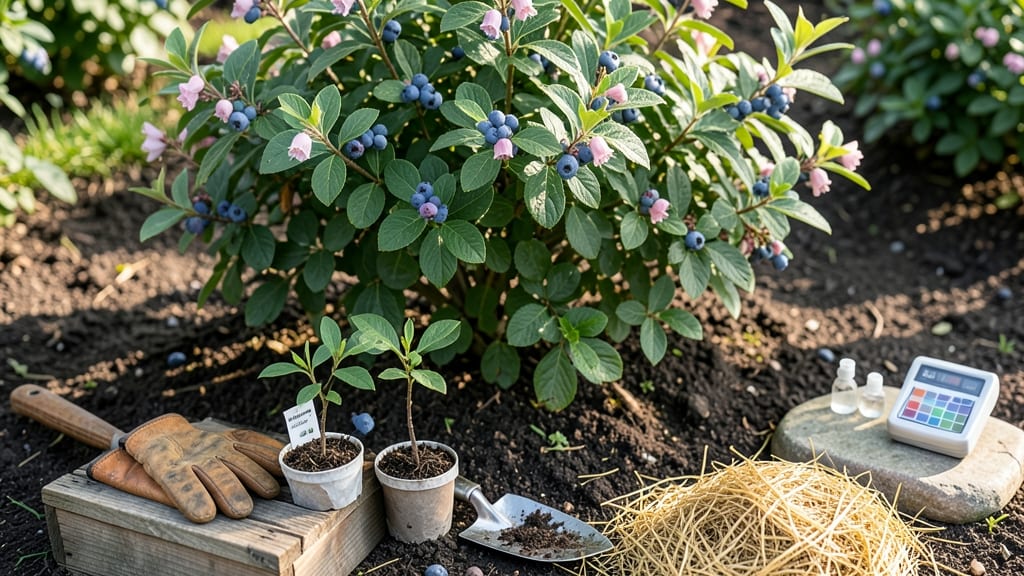
Planting blueberry bushes in Alabama at the wrong time can mean the difference between a thriving 🫐 harvest and struggling plants that never quite take off. With Alabama’s warm climate and USDA zones 7a-8b, you’ve got a prime growing region—but timing matters more than you might think.
Most gardeners assume spring is the only option, but Alabama’s mild winters actually give you two ideal planting windows: late fall (October) and early spring (March). The key is avoiding frost damage while letting roots establish before summer heat kicks in.
In this guide, I’ll break down exactly when to plant based on soil temperature, frost dates, and even your specific Alabama region. You’ll learn how to prep your soil for acidic-loving blueberries and choose the best method—whether you’re planting bare-root bushes or container-grown varieties.
Ready to grow juicy, homegrown blueberries? Let’s get your 🫐 bushes in the ground at the perfect moment for maximum success.
Best planting months in Alabama based on soil temperature
Alabama’s USDA zones 7a-8b mean blueberry bushes thrive here—but timing depends on soil temperature, not just air temperature. Blueberries need soil at at least 60°F to root successfully. In Alabama, this typically aligns with late winter to early spring, but regional differences matter.
Northern Alabama (e.g., Huntsville, Zone 7a) has a longer frost risk than southern Alabama (e.g., Mobile, Zone 8b). The average last frost date ranges from mid-March in the south to late March in the north.
Planting too early risks frost damage, while waiting too long delays root establishment.
For bare-root blueberries, the ideal window is October–March (dormant season), but container-grown bushes can go in March–April. Southern Alabama’s milder winters even allow fall planting in October–November, provided soil temps stay above 50°F.
🌱
Southern Alabama’s earlier frost-free dates mean you can plant 4–6 weeks sooner than northern regions. Check your local Alabama Cooperative Extension office for precise frost dates—some years, March can still bring surprises.
For example, Birmingham (Zone 7b) averages 220 frost-free days, while Mobile (Zone 8a) enjoys 240+ days.
If you’re in Zone 8b, consider February planting for container-grown bushes, as soil warms faster in southern climates. However, avoid planting before January—even southern Alabama can see unexpected cold snaps that stunt growth.
Pro tip: Use a soil thermometer ($10 at garden centers) to confirm temps. Blueberries won’t root below 50°F, even if air temps seem mild. Patience pays off—waiting for the right window ensures stronger bushes and bigger harvests.
🌡️
Best planting months in Alabama based on soil temperature
Alabama’s USDA zones 7a-8b create a unique window for planting blueberry bushes. The key is waiting until the soil reaches 60°F—this ensures roots establish before summer heat arrives.
In North Alabama (zones 7a-7b), aim for March 15–April 15, while South Alabama (zones 8a-8b) can plant as early as February 15.
Data from Auburn University shows Alabama’s last frost dates vary wildly: March 15 in Huntsville vs. February 1 in Mobile. Planting too early risks frost damage to tender new growth, while waiting too long delays fruit production. My rule? Wait for 3 consecutive days above 60°F before planting.
| Region | Best Planting Window | Soil Temp Threshold | Frost Risk |
|---|---|---|---|
| North Alabama (Zones 7a-7b) | March 15–April 15 | 60°F+ (3 days) | High until April 15 |
| Central Alabama (Zones 7b-8a) | March 1–April 1 | 60°F+ (3 days) | Moderate until March 31 |
| South Alabama (Zones 8a-8b) | February 15–March 15 | 60°F+ (3 days) | Low after February 15 |
For container-grown bushes, you can plant 1–2 weeks earlier since pots warm faster. I’ve had success planting Southern Highbush varieties in late February in Birmingham with no frost damage. Always check Alabama’s 7-day forecast before planting—sudden cold snaps can stall growth.
Fall planting is another option for North Alabama gardeners. Plant October 1–November 15 to let roots establish before winter. The soil stays warm enough for root growth but cools before first frost. Just avoid planting after November 15—new roots won’t harden off in time.
Pro tip: Use a soil thermometer ($10 at garden centers) to confirm 60°F soil temp. I’ve seen surface temps hit 65°F while 6 inches deep stays at 55°F—critical for root health. Planting too soon leads to shallow roots and poor fruit production.
If you miss the spring window, don’t panic. Bare-root bushes can handle winter planting (December–February) as long as the ground isn’t frozen. Just water deeply before the first hard freeze to protect roots. I’ve planted Rabbiteye varieties in January with great success in Zone 7b.