
Plants
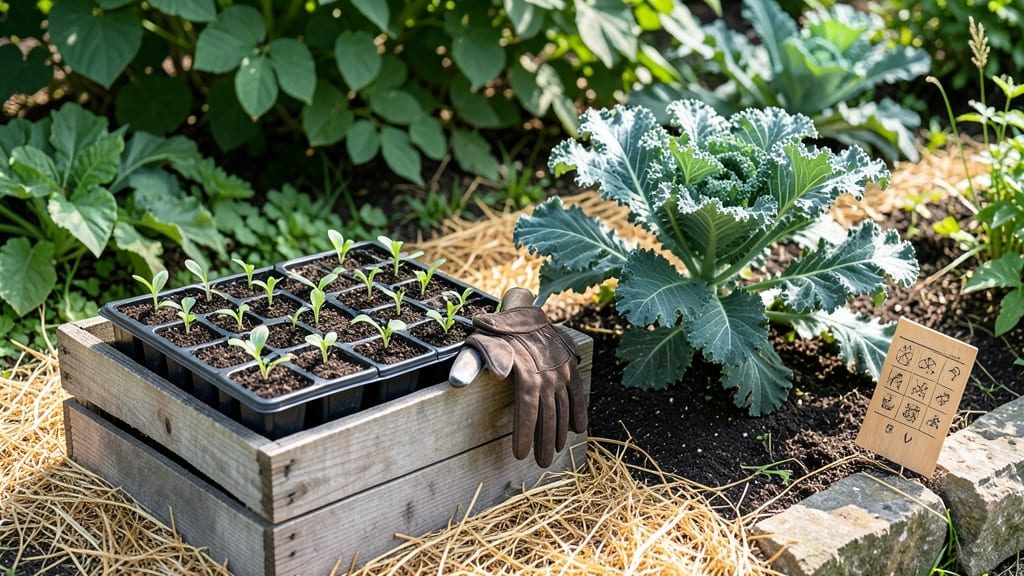
If you’re ever wondered when to plant brassicas in Wisconsin to avoid bitter-tasting bolts or weather-related setbacks, timing is everything. The secret to a thriving garden lies in planting these cool-loving crops at just the right moment—before the heat sets in or the first frost arrives.
Wisconsin’s 4b-6a climate zones mean your neighbors’ planting schedule might not work for you.
Whether you’re starting seeds indoors or sowing directly into the soil, knowing the exact windows—mid-March to early July for spring and late July to early September for fall—can mean the difference between a bumper crop and a sad, stunted harvest.
I’ll break down the best start dates for each variety, from frost-hardy kale to heat-sensitive cauliflower, so you can plan with confidence. No more guessing games—just reliable, Wisconsin-tested advice to keep your brassicas happy and productive all season long.
Ready to transform your garden? Let’s dive into the precise timing and tips that will have you harvesting crisp, flavorful brassicas from late spring through early fall.
Wisconsin brassica planting calendar: best start dates by variety
Wisconsin’s cool, short growing season demands precise timing for brassicas. Plant too early, and seedlings rot in cold soil; too late, and summer heat triggers bolting. The key is aligning your variety with frost-free dates—typically mid-April to early May in most regions—and adjusting for microclimates.
Brassicas fall into two planting categories: cold-hardy varieties (like kale and collards) that tolerate light frost, and frost-sensitive types (cauliflower, broccoli) needing warmer soil. Start 6–8 weeks before your last frost for transplants, or direct-sow 3–4 weeks before for hardy greens.
Fall planting? Aim for 6–8 weeks before your first frost (mid-October).
Here’s your Wisconsin brassica planting timeline, broken down by variety and method. Use this as your guide to avoid common pitfalls like slow germination in cold soil or premature bolting in heat.
For northern Wisconsin (USDA Zone 4b), delay direct sowing by 1–2 weeks to avoid cold, wet soil that stalls germination. In southern Wisconsin (Zone 6a), you can push fall planting into early September for a second harvest. Always check soil temperatures—brassicas germinate best in
How to adjust planting for Wisconsin’s microclimates and frost risks
Wisconsin’s climate varies dramatically from the cooler northern regions (like USDA Zone 4b) to the warmer southern areas (up to Zone 6a). These differences mean your last frost date could shift by 2-3 weeks, so always check your local frost-free map from the UW Extension.
For example, Madison typically sees its last frost around April 20th, while Milwaukee may wait until May 5th.
Even within a single county, microclimates can affect planting. South-facing slopes warm up faster and may allow earlier planting, while low-lying areas or urban heat islands can delay frost.
Use row covers or cold frames to extend your season in cooler zones by 3-4 weeks—perfect for frost-sensitive varieties like cauliflower.
Planting too early in Wisconsin can lead to frost damage or bolting (premature flowering). Brassicas hate heat—temperatures above 75°F trigger bolting in just 1-2 weeks. Always plant 6-8 weeks before your first frost for fall crops to ensure maturity before winter sets in.
Succession planting is your best friend for continuous harvests. In Wisconsin, aim for 3 planting windows: early spring (March-April), late spring (May), and early fall (August).
For example, sow broccoli seeds every 2 weeks from April to June to stagger maturity and avoid overwhelming bolting during summer’s peak heat.
Watch for pest pressure in Wisconsin’s humid summers. Cabbage worms and fleabeetles thrive in warm weather, so use row covers or neem oil sprays if you notice chewed leaves. Drip irrigation also helps by keeping foliage dry, reducing fungal diseases like clubroot, which is common in Wisconsin’s cool, wet springs.
For northern Wisconsin, focus on cold-hardy varieties like ‘Winterbor’ kale or ‘Top Bunch’ collards, which tolerate light frosts and even improve in flavor after a 20°F dip.
In southern Wisconsin, prioritize heat-tolerant types like ‘Presto Purple’ broccoli or ‘Vates’ kale, which handle 80°F+ temperatures better than standard varieties.
Always monitor your garden’s soil temperature—brassicas need 40°F+ soil to germinate. Use a soil thermometer to avoid planting too early. If your soil is still below 40°F in spring, wait or use black plastic mulch to warm it up 5-7°F faster.
In fall, aim to plant 8 weeks before your first frost to ensure harvests before winter.