
Plants
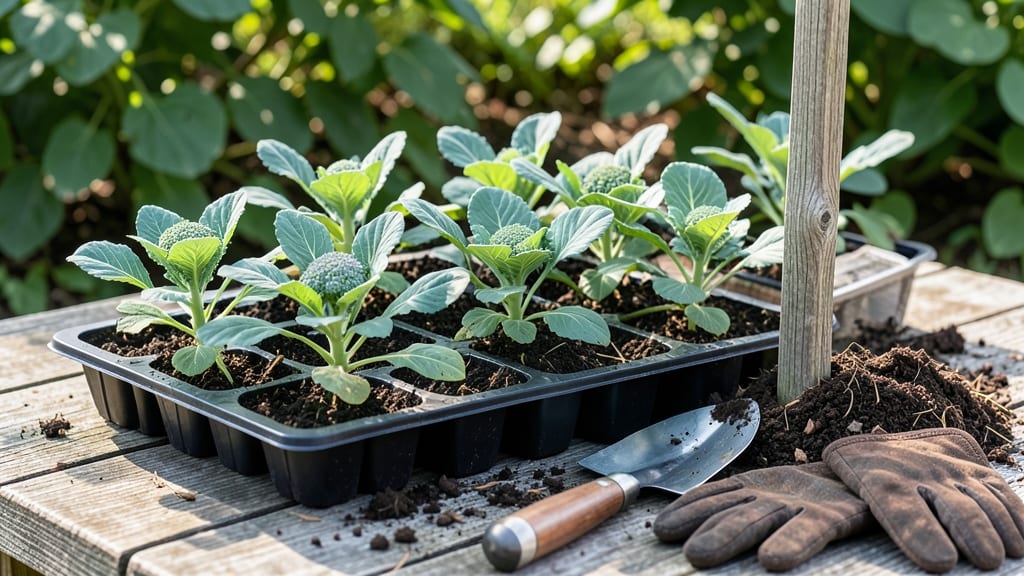
If you've ever planted broccoli 🥦 in North Carolina only to watch it bolt before producing a single edible head, you're not alone. The key to avoiding this common frustration lies in understanding the perfect planting windows for your specific USDA zone.
North Carolina's diverse climate—from the Coastal Plain to the Mountains—means what works in Zone 7a might fail in Zone 8b. Timing isn't just about months; it's about frost dates, soil temperatures, and even the phase of the moon (okay, maybe not that last one).
I'll walk you through the exact spring and fall planting schedules that guarantee zero bolt risk, whether you're starting seeds indoors or sowing directly into the garden. No more guesswork—just lush, harvest-ready broccoli heads.
Ready to transform your garden from "meh" to "magnificent"? Let's dive into the science-backed secrets that'll have your broccoli thriving when others are struggling.
North Carolina broccoli planting calendar by USDA Zone (7a-8b)
North Carolina’s diverse microclimates—from the Coastal Plain’s mild winters to the Mountains’ earlier frosts—mean your broccoli planting window must adapt. The key is planting 4-6 weeks before the last frost for spring crops and 8-10 weeks before the first frost for fall harvests.
For USDA Zones 7a-8b, this translates to two critical windows: early spring (March-April) and late summer (August-September).
Timing is everything because broccoli bolts (goes to seed) when stressed by heat or cold. In Zone 7a (Mountains), aim for March 15-April 1 for spring planting, while Zone 8b (Coastal Plain) can start as early as February 20-March 15.
Fall plantings should happen by August 15 to ensure harvest before frost.
Soil temperature matters just as much as air temperature. Broccoli seeds won’t germinate below 40°F (4°C), so wait until your soil warms to 50°F (10°C) for direct sowing. Use a soil thermometer to check—especially in the Piedmont region, where cooler nights linger longer.
Here’s your zone-specific planting calendar, including frost dates and ideal transplant windows to avoid bolting:
For direct sowing, push your spring planting 1-2 weeks earlier than the table above, but use row covers if nights dip below 40°F (4°C). Fall plantings benefit from succession sowing every 2 weeks until August 15 to stagger harvests and avoid bolting.
In Zone 8b, where winters are milder, you can even try a winter crop by planting in October and harvesting in December-January under frost cloth. This extends your season by
North Carolina broccoli planting calendar by USDA Zone (7a-8b)
North Carolina’s USDA Zones 7a-8b offer two prime windows for broccoli—spring and fall—but timing varies by region. In the Coastal Plain (Zone 8a), you can plant as early as February 15 for spring, while the Mountains (Zone 7a) wait until March 20 to avoid frost.
The key? Soil temperatures must stay above 40°F for germination.
For fall crops, aim to plant 8-10 weeks before your first frost (typically August 15-30). In Zone 7a, this means harvesting before November 15, while Zone 8b gardens can extend until December 1 with row covers.
Miss these windows, and your broccoli will bolt—turning bitter before you harvest.
| Zone & Region | Spring Planting | Fall Planting | Soil Temp |
|---|---|---|---|
| Zone 7a (Mountains) | March 20-April 10 | August 15-Sept 5 | 45°F+ |
| Zone 7b (Piedmont) | March 1-Feb 28 | August 1-Sept 10 | 40°F+ |
| Zone 8a (Coastal) | Feb 15-March 15 | Aug 15-Sept 15 | 42°F+ |
| Zone 8b (Outer Banks) | Feb 1-March 10 | Aug 1-Sept 20 | 45°F+ |
Start seeds indoors 4-6 weeks before transplanting to give them a head start. Use sterile seed-starting mix and keep seedlings under grow lights (12-14 hours/day) until hardened off. Harden off seedlings by placing them outdoors for 2-3 hours daily, gradually increasing exposure over 10 days.
Transplant seedlings when they’re 4-6 inches tall and nighttime temps stay above 50°F. Space them 18-24 inches apart in rows 30 inches apart to prevent overcrowding. In Zone 8b, you can even try an early February transplant with row covers for a jump-start.
Mulch with straw or shredded leaves to retain moisture and regulate soil temps. In Zone 7a, mulch helps protect roots from late frosts, while in Zone 8a, it prevents soil from overheating in summer. Water deeply 1-2 inches per week, keeping soil consistently moist but not soggy.
Monitor for cabbage worms and aphids—common pests in NC’s humid climate. Use row covers early in the season to deter pests without chemicals. If bolting occurs, harvest side shoots immediately to salvage your crop.