
Plants
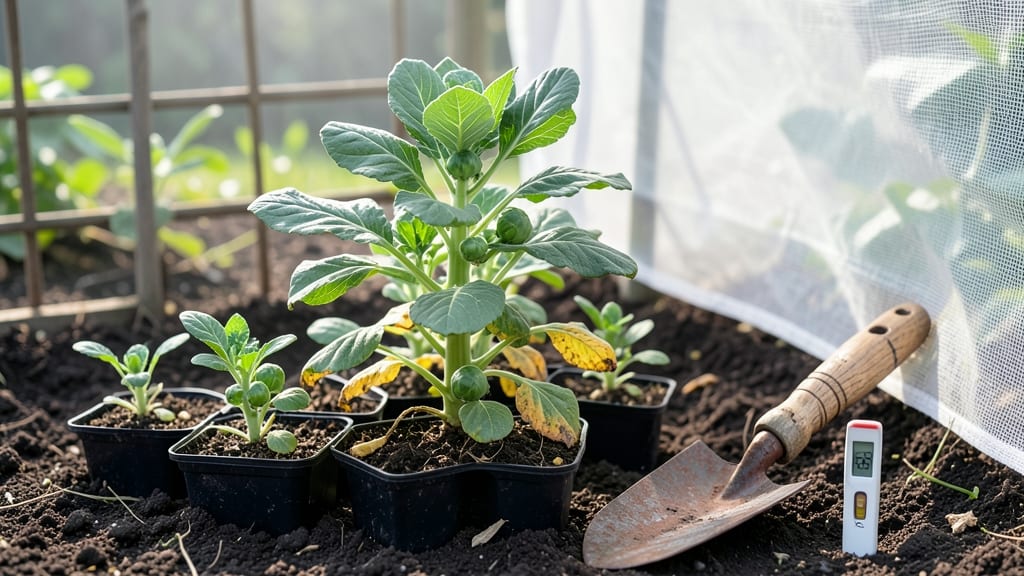
Planting Brussel sprouts 🥦 in Colorado at the wrong time means missing out on sweet, homegrown harvests—or worse, frost-damaged crops. Since Colorado’s elevation zones create wildly different frost dates, timing is everything for a successful garden.
Whether you’re gardening in USDA zones 5-7 or high-altitude areas, knowing when to plant can mean the difference between a thriving fall harvest and wasted effort. The key is working with your local frost-free window, not against it.
In this guide, I’ll break down the exact planting deadlines for both spring and fall, tailored to Colorado’s microclimates. You’ll learn how to time your 8-10 week growth window perfectly—whether you’re starting from seedlings or transplants—and avoid common mistakes that ruin yields.
Ready to grow Brussel sprouts that taste better than store-bought? Let’s get your planting schedule locked in for a bountiful Colorado harvest.
Colorado’s frost-free planting windows for brussel sprouts by elevation zone
Colorado’s diverse elevations create three distinct planting zones for brussel sprouts. Whether you’re gardening in Denver’s Front Range, the Mountain West, or the High Plains, timing is everything.
Plant too early, and your sprouts bolt; too late, and frost ruins them. Let’s break down the frost-free deadlines tailored to your elevation to ensure sweet, plentiful harvests.
Brussel sprouts need 90–120 frost-free days to mature. In Colorado, this means starting seeds or transplants 8–10 weeks before your first expected frost. But since frost dates shift 1,000 feet per elevation change, your local timing matters.
For example, Denver (5,280 ft) has a first frost around October 1, while Steamboat Springs (6,720 ft) sees frost by September 15. High-altitude areas like Leadville (10,152 ft) face frost as early as September 1.
Here’s how to align your planting with Colorado’s three elevation zones, including the last safe transplant dates and first frost risks for each:
| Elevation Zone | Last Safe Transplant Date | First Frost Date | Spring Planting Window | Fall Planting Window |
|---|---|---|---|---|
| Front Range (5,000–6,500 ft) | June 15 (spring) / Aug 1 (fall) | Oct 1 | Mid-March to May 15 | July 15 to Aug 15 |
| Mountain West (6,500–8,000 ft) | June 1 (spring) / July 20 (fall) | Sep 15 | Late March to May 1 | June 20 to July 30 |
| High Plains (8,000+ ft) | May 15 (spring) / July 1 (fall) | Sep 1 | Late April to June 1 | June 1 to June 20 |
⚠️ Note: Adjust dates 1 week earlier for early frosts or later for late frosts.
For spring planting, start seeds indoors 6–8 weeks before your last frost date. In Denver, that’s early February for transplants by mid-May.
In high-altitude areas like Grand Junction, wait until late April to avoid early frosts. Direct-sow seeds 2–3 weeks after your last frost for faster growth, but be ready to protect seedlings with row covers if nights dip below 40°F.
Fall planting is trickier but rewarding. Aim to transplant 8–10 weeks before frost. In Colorado Springs (6,000 ft), that’s early August. Use cold-hardy varieties like ‘Long Island Improved’ or ‘Jade Cross’ to survive light frosts.
If your area gets hard freezes (20°F or below), opt for container growing or move pots to a sheltered spot.
Soil temperature is just as critical as air temperature. Brussel sprouts won’t germinate well in cold soil. Use a soil thermometer to confirm temperatures are above 45°F before planting. In high-altitude zones, wait until late May to ensure soil warmth.
Amend your soil with compost to improve drainage and warmth retention, especially in clay-heavy soils common in Colorado’s eastern plains.
Pro tip: Succession planting every 2 weeks in spring and fall extends your harvest. In Denver, you could have three harvests—one from spring planting, one from mid-summer, and one from fall—if you stagger your plantings. Just mark your calendar for 8–10 week intervals from your last frost date.
Don’t forget to harden off seedlings for 7–10 days before transplanting. Colorado’s dry winds and temperature swings can shock tender plants. Acclimate them gradually by exposing them to outdoor conditions for 2–3 hours daily, increasing time each day. This step is non-negotiable for high-altitude gardens where conditions change rapidly.
For gardeners in urban Denver or rural Colorado Springs, consider container growing if space is limited. Five-gallon pots work well, and you can move them to protected microclimates (like near south-facing walls) to delay frost exposure.
Just ensure pots have drainage holes to prevent root rot—a common issue in Colorado’s monsoon
Colorado’s frost-free planting windows for brussel sprouts by elevation zone
Colorado’s diverse elevations create three distinct planting zones for brussel sprouts. Front Range gardeners (5,000–6,500 ft) enjoy longer growing seasons, while High Plains growers (8,000+ ft) face earlier frosts.
Timing your plantings 8–10 weeks before first frost ensures sweet, frost-resistant harvests. Let’s break down the exact windows for each zone to avoid bitter sprouts or frost damage.
For Front Range (5,000–6,500 ft), like Denver or Boulder, your last frost date typically falls around May 15. This means your final spring transplant deadline is April 15 for a fall harvest. Start seeds indoors by March 1 to give seedlings enough time to mature.
In the mountains (6,500–8,000 ft), like Colorado Springs or Fort Collins, shift your timeline 2 weeks earlier—transplant by April 1 and start seeds by February 15.
High Plains growers (8,000+ ft), such as in Grand Junction or Steamboat Springs, must act fastest. Your last frost date arrives by May 1, so transplant by March 15 and start seeds as early as January 15.
These elevations also benefit from fall planting—sow seeds by July 15 for a harvest before early October frosts. Miss these deadlines, and you risk woody, underdeveloped sprouts or total crop loss.
| Elevation Zone | Last Frost Date | Spring Transplant Deadline | Start Seeds Indoors | Fall Planting Window |
|---|---|---|---|---|
| Front Range (5,000–6,500 ft) | May 15 | April 15 | March 1 | July 1–Aug 15 |
| Mountain West (6,500–8,000 ft) | May 1 | April 1 | February 15 | July 1–Aug 1 |
| High Plains (8,000+ ft) | April 25 | March 15 | January 15 | June 15–July 1 |
Don’t overlook fall planting—it’s your secret to a second harvest in Colorado. For Front Range gardeners, sow seeds from July 1 to August 15 to harvest before the first frost in October.
In higher elevations, rush your fall planting to June 15–July 1 to avoid early frosts. Use row covers or cold frames to extend your harvest window by 2–4 weeks in fall.
Pro tip: Check your local CoCoRaHS station or Colorado State University Extension for your exact last frost date—microclimates can shift deadlines by 1–2 weeks. For example, Denver’s urban heat island may delay frost by a week compared to nearby suburbs.
Always err on the side of earlier planting—brussel sprouts tolerate cool soil better than heat, so don’t wait until soil is too warm.
If you’re new to brussel sprouts, start with transplants instead of seeds—they mature faster and give you more flexibility. For direct sowing, plant seeds ½ inch deep and space them 18–24 inches apart to allow room for their 2–3 foot stalks.
Thin seedlings to the strongest plant per spot to avoid competition and ensure large, sweet sprouts.