
Plants
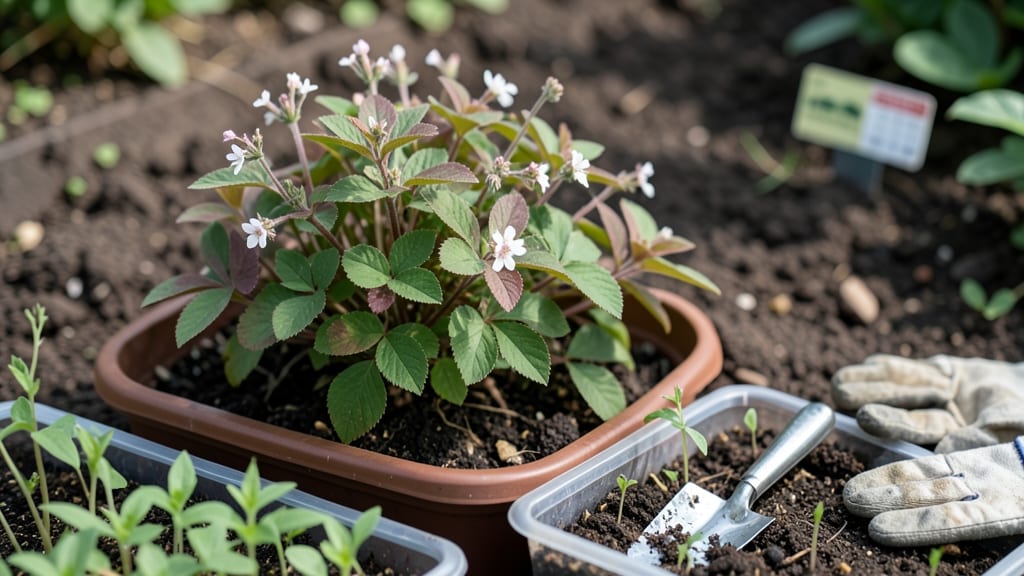
If you’ve ever wondered when to plant buckwheat in NC, timing is the game-changer between a bountiful harvest and wasted effort. This fast-growing grain loves North Carolina’s warm climate—but get it wrong, and you’ll miss the sweet spot between frost and summer heat.
Most gardeners in USDA zones 6b-8a plant buckwheat 🌾 between late March and early August, but the real secret lies in waiting until after your last frost date. For Coastal NC, that’s usually mid-April, while Piedmont areas can start a little earlier.
The key? Plant when soil temps hit 50°F—any earlier, and cool nights slow growth.
Here’s the trick: buckwheat thrives in summer’s heat, but pushing it too late risks smothering it before harvest. We’ll break down the frost-free window for your specific NC region and share heat-tolerance hacks to maximize your yield—no guesswork, just proven results.
Ready to turn your garden into a buckwheat powerhouse? Let’s dive into the exact planting schedule, soil prep tips, and companion plants that keep your crop flourishing from July to October.
North Carolina’s ideal buckwheat planting window: frost-free dates & heat zones
North Carolina’s USDA Zones 7-8 create perfect conditions for buckwheat, but timing your planting is critical. The last frost date varies across regions—mid-April in Piedmont and early April in Coastal areas.
Planting too early risks frost damage, while late summer plantings may struggle with NC’s 90°F+ heat waves.
Buckwheat thrives in warm soil (50°F+) and 60-90 days of growing season. In NC, this means two ideal planting windows: late March to May for spring crops and early August for fall harvests. The Coastal Plain has a slightly extended window due to milder winters.
Here’s how NC’s microclimates affect your planting schedule:
For spring plantings, aim for late March to early May when soil temperatures consistently stay above 50°F. In the Piedmont, this aligns with April showers that buckwheat loves. Use a soil thermometer to confirm—buckwheat seeds need warmth to germinate quickly.
If you’re targeting a fall harvest, plant early August in the Coastal Plain or late July in the Mountains. This gives plants 60-75 days to mature before the first frost (mid-October). In Zone 8a, you can push it to early September for a late harvest.
Buckwheat’s heat tolerance is impressive—it can handle up to 95°F if soil moisture is maintained. However, prolonged drought or extreme heat (like NC’s summer heat domes) will stunt growth. Mulching with straw helps retain moisture and regulate soil temperature.
Pro tip: Use black plastic mulch in late summer plantings to warm soil faster and suppress weeds. This is especially useful in the Coastal Plain, where humidity slows germination. Just remove the mulch once plants are established to prevent overheating.
For container growing, stick to spring plantings (April–May) since summer heat in pots can dry out soil too quickly. Use 5-gallon containers with drainage holes and keep them in partial shade during peak afternoon heat.
Remember: Buckwheat’s fast growth cycle (60-90 days) means you can fit two crops per year in most of NC. Plan your successive plantings 4-6 weeks apart for continuous harvests from June through October.
How to extend buckwheat’s heat tolerance for larger harvests in NC’s summer
North Carolina’s summer heat can challenge buckwheat 🌾 growth, but with the right strategies, you can push planting into late summer for bigger yields. The key is managing soil moisture and reducing heat stress during NC’s 90°F+ heat waves.
Even though buckwheat handles heat better than many crops, prolonged dry spells or intense afternoon sun can stunt growth or cause seed heads to shrivel before harvest.
One of my favorite tricks is using shade cloth (30-50%) during the hottest months. In the Coastal Plain, where humidity amplifies heat stress, drape lightweight shade over plants in late July and August.
This reduces soil evaporation by 30-40% while still allowing enough light for photosynthesis. Remove the shade by early September to let plants harden off before frost.
- 1. Mulch heavily with straw or wood chips to keep soil 5-7°F cooler and retain moisture. Replenish every 2-3 weeks during peak heat.
- 2. Water deeply in the morning (6-8 AM) to prevent fungal issues. Aim for 1-1.5 inches per week, more in Zone 8a where evaporation is higher.
- 3. Use companion plants like sunflowers or beans to provide partial shade and improve soil nitrogen. Plant them 12-18 inches away from buckwheat.
- 4. Try black plastic mulch in late July plantings to warm soil faster and suppress weeds. Remove it once plants reach 6 inches tall to avoid overheating.
- 5. Harvest early in Coastal NC (by late September) to avoid hurricane-season humidity, which increases fungal risks like powdery mildew.
💧 Pro Tip: Drip irrigation with soaker hoses delivers water directly to roots, reducing leaf wetness that fuels fungal diseases.
For container-grown buckwheat, switch to self-watering pots in summer. The Coastal Plain’s high humidity means soil dries out 2x faster in pots than in-ground. Add hydrogel crystals to the soil mix to hold 30% more moisture during heat waves.
Place containers in partial shade (e.g., under a 30% shade cloth) from 11 AM to 3 PM.
If you’re planting in early August for a fall harvest, choose heat-tolerant varieties like 'Mangels' or 'Koshihikari'. These handle NC’s late-summer heat better than standard varieties. Pair them with radishes or lettuce in succession plantings—the radishes mature quickly, leaving space for buckwheat’s deeper roots.
Watch for heat stress signs: yellowing leaves or drooping seed heads mean it’s time to act. Increase watering to daily for 3-5 days and provide afternoon shade. With these adjustments, you can extend your buckwheat season by 4-6 weeks in NC’s climate.
Remember: Buckwheat’s fast growth cycle means you can squeeze in two harvests—one in late summer and another in early fall—if you start your second planting by early August. Just monitor frost forecasts and harvest before mid-October in most of NC.