
Plants
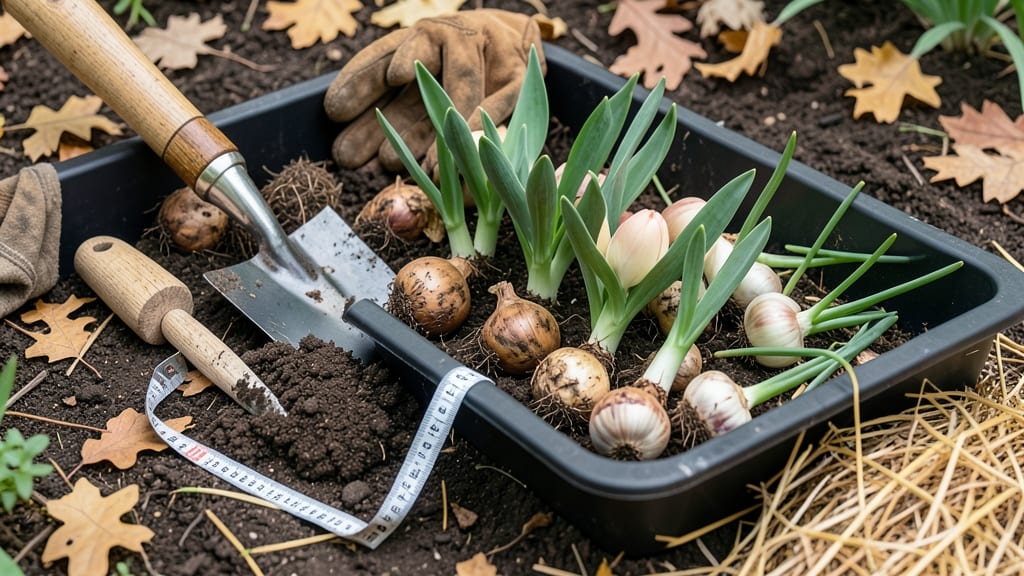
Timing your Spring Flowering Bulbs 🌷 planting in New England isn’t just about checking a calendar—it’s about outsmarting frost, soil temperatures, and those sneaky microclimates that make every yard unique.
Plant too early, and your bulbs might rot before winter sets in; too late, and they won’t have enough time to root before the ground freezes. The difference between a showstopping spring garden and a disappointing one often comes down to these 6-8 weeks before the first frost.
Let’s cut through the guesswork. Whether you’re a first-time gardener or a seasoned pro, knowing when to tuck those tulips, daffodils, and crocuses into the soil can mean the difference between blooms that steal the show and ones that never make it past the ground.
New England’s USDA Zones 5b-6b give you a head start, but local frost dates—like Boston’s average first freeze on October 15—are your real deadline.
In this guide, I’ll break down the exact planting windows for fall and spring, so you can align your schedule with your region’s climate quirks. You’ll also discover which bulbs thrive with early planting (hello, snow crocuses!) and which need precision timing to avoid disappointment.
Ready to turn your garden into a springtime spectacle? Let’s get started.
The key isn’t just memorizing dates—it’s understanding how soil temperature, bulb types, and even your yard’s microclimate play into the perfect timing.
By the end, you’ll have a frost-date cheat sheet tailored to your location, so you can plant with confidence and watch your garden burst into color year after year.
New England bulb planting timeline by hardiness Zone and frost dates
New England’s fall planting window for spring-flowering bulbs is short and critical. Most gardeners in USDA Zones 3-7 should plant between mid-September and mid-November, but exact timing depends on your average first frost date.
For example, Portland, ME typically sees frost by October 15, while Hartford, CT holds off until mid-November. Planting too early risks rotting bulbs, while waiting too long means they won’t root before winter.
To simplify, aim to plant bulbs 6-8 weeks before the ground freezes. Use the soil temperature rule: bulbs need 60°F soil to start rooting, but 50°F is ideal for most varieties.
In colder zones (like Zone 3), focus on hardy bulbs like snow crocuses, which tolerate early planting. Warmer zones (like Zone 7) can extend planting into early December for varieties like daffodils.
Fall-blooming bulbs, such as crocuses and fall-planted hyacinths, follow a different schedule. These should be planted 8-10 weeks before bloom time, often in late summer (August) for a September-October display. Always check the specific variety’s instructions, as some, like tulips, prefer cooler soil and may need vernalization (a cold period) to bloom.
🌱 New England Bulb Planting Timeline by Zone & Frost Date
| Zone | Avg. First Frost | Ideal Planting Window | Best Bulbs for Zone | Soil Temp. Goal |
|---|---|---|---|---|
| Zone 3 (e.g., Burlington, VT) | October 5 | September 15–October 15 | Snow crocus, Siberian squill, hardy tulips | 45–50°F |
| Zone 4 (e.g., Portland, ME) | October 15 | September 20–November 1 | Daffodils, alliums, hyacinths | 50–55°F |
| Zone 5 (e.g., Boston, MA) | October 25 | September 25–November 10 | Tulips, grape hyacinths, fritillaries | 55–60°F |
| Zone 6 (e.g., Hartford, CT) | November 5 | October 1–December 1 | Dutch iris, starflower, late tulips | 60°F |
| Zone 7 (e.g., Providence, RI) | November 15 | October 15–December 15 | Lilies, rain lilies, late daffodils | 60–65°F |
💡 Pro Tip: Use a soil thermometer to confirm temperatures. Plant when soil is below 60°F but still workable.
For spring planting (less common but viable for late gardeners), focus on hardy varieties like daffodils or alliums. Plant in March or early April, as soon as the soil is workable but before last frost.
This method works best in Zone 6-7, where winters are milder. However, spring-planted bulbs may bloom 2-3 weeks later than their fall counterparts.
Microclimates play a huge role in New England. South-facing slopes warm up faster, extending your planting window by 1-2 weeks, while low-lying areas may freeze earlier. Test your soil’s readiness by pressing your finger into the ground—if it’s easily crumbly but not muddy, it’s time to plant.
Avoid working soil when it’s soggy or frozen, as this can damage bulbs and compact the earth.
Don’t overlook layering bulbs for extended blooms. Plant early bloomers like crocuses in September, followed by t
How to adjust planting times for early vs. late frost years
New England’s frost dates shift yearly—sometimes dramatically—so rigid planting schedules won’t cut it. A late frost in October can trap bulbs in wet soil, while an early frost in November might freeze them before roots establish.
The key is flexibility: adjust your timeline based on soil temperature (not just air temperature) and bulb hardiness.
For fall-planted bulbs like tulips and daffodils, aim to plant when soil temps drop to 40–50°F—usually 6–8 weeks before first frost.
Use a soil thermometer to check; if temps hover above 50°F for weeks, delay planting. Snow crocuses and Siberian squill are exceptions—they tolerate earlier planting (even in August for high-altitude areas).
In late frost years, prioritize bulbs with thick skins (like alliums or fritillaries) that resist rot. For high-risk areas, plant in raised beds or containers to improve drainage. If frost hits unexpectedly, cover bulbs with straw mulch (3–4 inches thick) to insulate them until the ground freezes solid.
⚠️ Late Planting Risks
Hyacinths and gardenias need precise timing—planting after mid-November risks poor root growth. Tulips and daffodils are more forgiving but may bloom later if planted too late. Never plant when soil is frozen or waterlogged.
For spring planting (like caladiums or gladiolus corms), wait until soil temps rise to 60°F—usually late April to early May in most of New England. In early frost years, opt for deer-resistant bulbs (e.g., alliums) or plant in less accessible areas to avoid winter digging.
Pro tip: Use mulch strategically. In fall, apply 2–3 inches of shredded leaves after planting to regulate soil temps. In spring, remove mulch once shoots appear to prevent rot from excess moisture. For container-grown bulbs, move pots to a sheltered spot if frost threatens.
Track your local frost dates for 3–5 years to spot patterns. Websites like the National Oceanic and Atmospheric Administration (NOAA) offer historical data. If your area’s frost dates vary by 2+ weeks yearly, consider planting a mix of early and late varieties to extend your bloom season.