
Plants
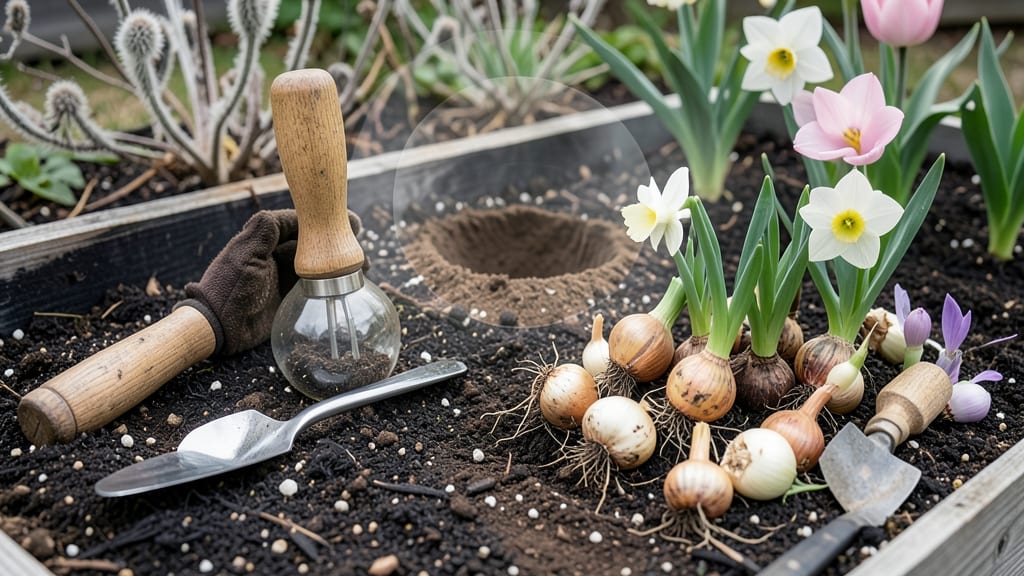
Timing your spring bulb planting perfectly is the secret to a garden bursting with color—but get it wrong, and you might end up with flops instead of blooms.
Most gardeners assume planting early is best, but soil temperatures and frost dates actually dictate the ideal window, especially in USDA Zone 6 and beyond.
Here’s the game-changer: bulbs need 40-50°F soil temps to root without rotting, which means waiting until late winter or early spring—never before the ground thaws. I’ll walk you through exactly when to plant based on your region, plus how to prep bulbs for outdoor life without shocking them.
Whether you’re planting tulips 🌷, daffodils, or hyacinths, this guide cuts through the guesswork. You’ll learn how to check soil readiness, adjust for late frosts, and even troubleshoot common mistakes that kill blooms before they begin.
Ready to skip the trial-and-error? Let’s dive into the soil temp check and other pro tips that’ll have your bulbs thriving by spring.
Spring bulb planting timeline by soil temperature zones
Timing your spring bulb planting is critical—plant too early, and bulbs may rot; too late, and they won’t establish roots before winter. The ideal window hinges on soil temperatures (aim for 40-50°F) and frost-free periods.
Most gardeners in USDA Zones 5-10 should plant bulbs 6-8 weeks before the first frost, but regional variations matter.
For example, in Zone 5 (cold winters), plant bulbs in September-October to ensure roots form before freezing temperatures. In Zone 9 (mild winters), late November-December works better, as soil stays warmer longer. Always check your local frost dates—this is your planting deadline.
Here’s how to align your planting with soil temperature thresholds and USDA zones for foolproof results:
| USDA Zone | Soil Temp Threshold | Planting Window | Key Considerations |
|---|---|---|---|
| Zones 3-4 | 40-45°F | Late August - Early September | Short growing season; prioritize early-blooming varieties like crocus or snowdrops. |
| Zones 5-6 | 45-50°F | September - Early October | Classic tulip and daffodil zone; aim for 6 weeks before frost. |
| Zones 7-8 | 50-55°F | October - Early November | Warmer soils; plant hyacinths or alliums for late-winter blooms. |
| Zones 9-10 | 55-60°F | November - December | Mild winters; focus on spring-blooming bulbs like iris or fritillaria. |
🌱 Pro Tip: Use a soil thermometer to confirm temps before planting!
Even within zones, microclimates play a role. For instance, a south-facing slope warms faster than a north-facing bed, allowing you to plant 2-3 weeks earlier in sheltered spots. Conversely, low-lying areas may hold cold longer, delaying planting by 1-2 weeks.
Don’t assume air temperature reflects soil temperature. A 50°F day might still hide 40°F soil—always dig down 6 inches to check. If soil feels too warm (above 60°F), wait; if it’s too cold (below 40°F), cover bulbs with straw mulch to insulate roots.
Another common mistake is planting bulbs too deep in cold climates. While 6 inches deep is standard, in Zone 4, add 2 extra inches of mulch to protect bulbs from freeze-thaw cycles.
Conversely, in Zone 10, shallow planting (4 inches deep) prevents rot in consistently moist soil.
Regional exceptions exist too. In Pacific Northwest zones (e.g., Zone 7b), wet winters can delay planting until late October to avoid waterlogged soil. Meanwhile, in Desert Southwest (Zone 9a), November planting aligns with monsoon rains, boosting bulb establishment.
Finally, hardening off bulbs (covered in the next section) becomes critical in Zone 5 and below, where sudden temperature swings can shock newly planted bulbs. Pre-acclimate them for 7-10 days before full exposure to outdoor conditions.
By matching your planting to local soil temps and frost dates, you’ll ensure vibrant blooms next spring—no bare patches in sight! 🌷
How to harden off bulbs before spring planting
Harden off bulbs gradually to prevent shock when transitioning from indoor storage to outdoor planting. Sudden temperature changes can stunt growth or even kill delicate roots. Start this process 4-6 weeks before your target planting date to give bulbs time to adjust.
Begin by moving bulbs to a cooler indoor location, like an unheated garage or basement, where temperatures hover around 40-50°F. This mimics early spring conditions and helps bulbs prepare for outdoor exposure. Keep them in a paper bag or mesh container to allow airflow while protecting from drafts.
- Week 1-2: Place bulbs in a shaded outdoor spot (e.g., porch or patio) for 2-4 hours daily. Gradually increase exposure by 1 hour each day.
- Week 3-4: Move bulbs to a partially sunny location (e.g., under a tree) for 4-6 hours. Monitor for wilting or discoloration.
- Week 5-6: Transition to full sun exposure for 8+ hours. Water lightly if soil feels dry to the touch.
💧 Pro Tip: Avoid hardening off bulbs during rainy or windy days—these conditions stress tender roots.
During hardening, watch for signs of stress like yellowing leaves or soft spots on the bulb. If you notice these, move bulbs back indoors for 24 hours and resume the process more slowly. Overwatering is a common mistake—bulbs should only receive light moisture during this phase.
By the time you plant, your bulbs will be acclimated to outdoor conditions, with roots already starting to form. This head start means faster sprouting and stronger blooms once spring arrives.
For tender bulbs like dahlias, extend the hardening process to 8 weeks to ensure survival in cooler climates.
After hardening, plant bulbs in well-draining soil and mulch lightly to retain moisture. Avoid fertilizing immediately—wait until shoots emerge to feed lightly with a balanced bulb fertilizer (e.g., 5-10-10). This timing ensures nutrients support root growth without overwhelming the bulb.
Remember, hardening isn’t just about temperature—it’s also about preparing bulbs for light exposure and moisture fluctuations. With patience, your bulbs will thrive and reward you with bold, early-season blooms. 🌷