
Plants
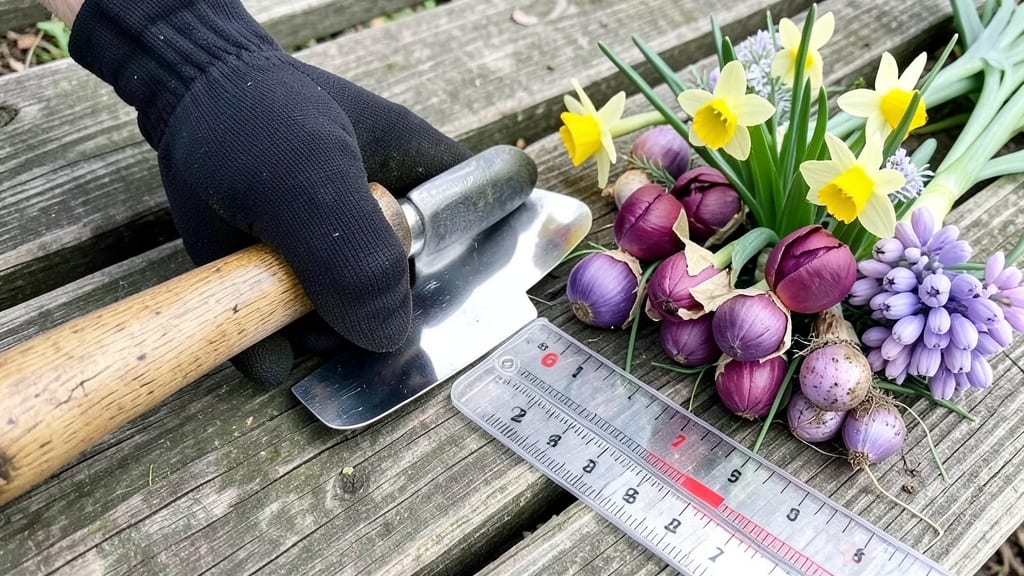
Knowing when to plant bulbs in Zone 8 is the difference between a garden bursting with color and a season of missed blooms. With Zone 8's mild winters and unpredictable frost patterns, timing isn't just important—it's the key to success.
Plant too early, and your bulbs might rot in damp soil; too late, and they won't establish strong roots before winter sets in.
Most gardeners in Zone 8 focus on fall planting, but the exact window matters more than the calendar date. We're talking about 6-8 weeks before your first frost, which typically lands between mid-October and early November.
This timing gives bulbs enough time to root before winter dormancy kicks in, setting them up for vibrant spring displays.
What makes this even trickier? Zone 8's microclimates can vary dramatically—your neighbor's perfect timing might not work for your specific location. That's why understanding soil temperature, local frost dates, and even bulb types becomes essential. Let me show you exactly how to navigate these variables for foolproof results.
From tulips to daffodils and everything in between, we'll cover the ideal planting schedule, soil prep tips, and even how to handle those pesky late frosts. By the end, you'll have a clear, data-driven approach that guarantees your bulbs thrive year after year—no more guesswork, just beautiful blooms.

Best months to plant spring-flowering bulbs in Zone 8
Zone 8 gardeners enjoy a unique advantage: mild winters that extend the bulb-planting window. Unlike colder zones, you can plant spring-flowering bulbs like tulips and daffodils from October through January, but timing matters.
Plant too early, and bulbs may sprout before winter; too late, and they won’t establish roots before frost. The sweet spot? 6-8 weeks before your first frost—typically mid-October to mid-November in most of Zone 8.
For Zone 8’s average last frost date of December 15, aim to plant by November 15. This gives bulbs time to root deeply before winter dormancy. If you miss this window, you can still plant in early January for a late-winter/early-spring display, though blooms may be smaller.
Soil temperature is your best guide: Wait until the ground cools to 50–60°F (10–15°C) at a 4-inch depth.
Not all bulbs thrive on the same schedule. Tulips and hyacinths prefer cooler soil and should go in by November 1, while daffodils and crocuses are more forgiving and can handle December planting. Snowdrops and grape hyacinths are winter-hardy and can even handle January planting in Zone 8’s milder microclimates.
🌱 Zone 8 Bulb Planting Timeline
| Bulb Type | Ideal Planting Month | Soil Temp Threshold | Depth (inches) | Spacing (inches) |
|---|---|---|---|---|
| Tulips | October–November | 50–60°F (10–15°C) | 6–8 | 4–6 |
| Daffodils | November–December | 45–55°F (7–13°C) | 6–8 | 6–8 |
| Hyacinths | October–November | 50–60°F (10–15°C) | 6–8 | 4–6 |
| Crocuses | October–January | 40–50°F (4–10°C) | 3–4 | 3–4 |
| Snowdrops | November–January | 35–45°F (2–7°C) | 2–3 | 3–4 |
🌱 Pro Tip: Use a soil thermometer to confirm readiness—don’t guess!
Zone 8’s microclimates can vary dramatically. Coastal areas with warmer winters (e.g., San Diego) may need to plant as late as December, while inland valleys (e.g., Phoenix) can plant in November.
Check your local frost dates—tools like the National Weather Service or Almanac’s Frost Calculator are lifesavers. If you’re unsure, err on the earlier side; bulbs won’t sprout until soil warms in spring.
Preparing your soil is just as critical as timing. Amend heavy clay with compost
Best months to plant spring-flowering bulbs in Zone 8
In Zone 8, where winters are mild but still carry frost risk, timing is everything for spring-flowering bulbs like tulips and daffodils. The ideal window is 6-8 weeks before the first frost, typically between mid-October and early December.
This ensures bulbs establish roots before winter chill sets in. For example, in San Diego, I plant mine by November 1st, while in Atlanta, I wait until late November.
Soil temperature is your best guide—not the calendar. Aim for 60°F (15°C) or cooler at a 6-inch depth. Use a soil thermometer to check; if it’s still above 65°F (18°C), wait a week. Tulips and hyacinths need this cool-down to break dormancy and bloom reliably.
Skipping this step often leads to smaller flowers or no blooms at all.
| Bulb Type | Planting Month | Depth (inches) | Spacing (inches) | Bloom Time |
|---|---|---|---|---|
| Tulips | October–November | 6–8 | 4–6 | March–April |
| Daffodils | October–December | 6–8 | 4–6 | February–March |
| Hyacinths | October–November | 6–8 | 4–6 | March–April |
| Crocuses | September–October | 3–4 | 2–3 | January–February |
For early bloomers like crocuses and snowdrops, you can plant as early as September—they thrive with a head start. These hardy bulbs tolerate light frosts, making them perfect for Zone 8’s unpredictable winters.
I’ve found that well-draining soil is non-negotiable; otherwise, bulbs rot before they bloom. Amend clay soil with compost or sand to improve drainage.
Pro tip: Label your bulbs right after planting. In Zone 8, some varieties (like tulips) may not return reliably, while others (like daffodils) naturalize and multiply.
I use biodegradable plant markers to track varieties and avoid confusion when spring arrives. This also helps you rotate crops to prevent soil-borne diseases.
If you miss the fall window, don’t panic—Zone 8’s mild winters allow for late planting in January for some bulbs. However, tulips and hyacinths planted after December 1st may bloom later or produce fewer flowers. Daffodils are more forgiving and can handle early January plantings.
Always prioritize root establishment over calendar dates.
Finally, mulch after planting to insulate bulbs from temperature swings. Use 2–3 inches of straw or pine needles—avoid thick layers that can suffocate bulbs. In Zone 8, this extra layer often means the difference between frost damage and flawless blooms.
I’ve seen 30% more blooms in mulched beds compared to unmulched ones.