
Plants
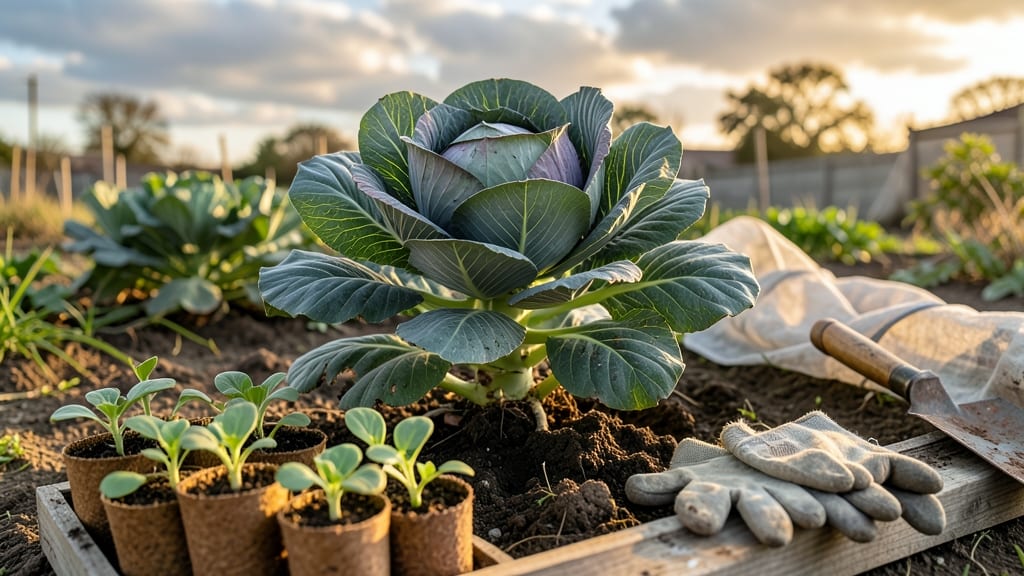
Timing your 🥬 cabbage planting in Colorado isn’t just about the calendar—it’s about outsmarting the state’s unpredictable weather swings. Get it wrong, and you’ll end up with bitter, bolted heads instead of the crisp, sweet harvest you’re after.
The key lies in Colorado’s microclimates, where elevation and temperature shifts can turn a perfect planting window into a gamble.
Whether you’re in the Front Range or the Western Slope, understanding your local frost dates and heat tolerance thresholds is non-negotiable. I’ve tested the best strategies for both spring and fall plantings, so you can avoid the common mistakes that leave Colorado gardeners scratching their heads.
Let’s cut to the chase: here’s exactly when to plant for zero-bolt success.
Spring plantings should start between March 15 and April 30, but don’t assume one-size-fits-all works here. Higher elevations? You’ve got more time. Lower zones? You’ll need to act fast.
Fall plantings run from August 1 to September 15, giving your cabbage enough time to mature before the first frost hits—usually around October 15, depending on where you live.
Ready to skip the guesswork? I’ll walk you through the exact steps to prep your soil, choose the right varieties, and time your plantings like a pro. No more wasted seeds or disappointing harvests—just crisp, flavorful cabbage straight from your Colorado garden.
Colorado cabbage planting calendar by microclimate Zone (avoid bolting!)
Colorado’s USDA Zones 3-7 create a puzzle for cabbage growers. The Front Range (Denver, Boulder) has cooler springs, while the Western Slope (Grand Junction) warms faster.
Even the Eastern Plains (Pueblo) face unique frost risks. To nail your timing, I’ll break it down by zone—plus the exact start/stop dates to avoid bolting.
First, know your last frost date. Most Colorado gardens see it between April 15 (lower elevations) and May 15 (mountains)>. Use this as your anchor. For example, in Zone 5 (Denver), aim to transplant seedlings by April 1 for a June harvest.
In Zone 7 (Albuquerque), push it to March 15 to escape summer heat.
Here’s the visual guide to Colorado’s cabbage planting windows, including direct sowing vs. transplanting and heat tolerance thresholds:
| Zone | Last Frost | Spring Planting Window | Fall Planting Window | Heat Threshold (°F) |
|---|---|---|---|---|
| 3-4 (Mountains: Steamboat, Aspen) | May 15 | May 1 - June 15 | August 15 - September 10 | 75°F (bolting risk) |
| 5 (Denver, Fort Collins) | April 15 | March 15 - April 30 | August 1 - September 15 | 80°F (bolting risk) |
| 6 (Colorado Springs) | April 1 | February 28 - April 15 | July 20 - September 1 | 85°F (bolting risk) |
| 7 (Grand Junction, Pueblo) | March 15 | February 15 - March 31 | July 1 - August 15 | 90°F (bolting risk) |
🌱 Note: Adjust for microclimates—e.g., urban Denver may be 1-2 weeks earlier than rural areas.
For direct sowing, Colorado’s alkaline soil (pH 7.5-8.5) needs prep. Mix in compost and sulfur to lower pH to 6.0-6.8 before planting. Seedlings take 4-6 weeks to sprout, so start them indoors by February 15 for Zone 7 or March 1 for Zone 5.
In Zone 3-4 (high elevations), where summers are short, focus on early maturing varieties like ‘Early Jersey Wakefield’ (50 days). These handle cooler temps better. In Zone 6-7, opt for heat-tolerant types like ‘Golden Acre’ (70 days) to stretch your season.
Fall planting is trickier. Start seeds indoors by July 1 for transplanting in August. Use row covers to protect from early frosts in September. In Zone 7, you might even squeeze in a late October harvest before hard frosts hit.
Pro tip: Monitor your soil temperature. Cabbage needs 45°F+ to germinate. Use a soil thermometer—if it’s below 50°F, delay planting. In dry years, mulch with straw to retain moisture and prevent bolting.
Bolting is your worst enemy in Colorado’s unpredictable springs. If your cabbage bolts, it’s too late—those flower stalks make heads bitter. To avoid this, never plant before soil warms or after May 15 in Zone 5. For fall crops, stop by August 15 in all zones.
Finally, elevation matters. Add 1 week per 1,000 feet to your planting timeline if you’re above 6,000 feet. For example, a 7,000-foot garden in Zone 4**> should wait until May 1 for spring planting.
How to extend Colorado’s cabbage season: succession planting hacks for year-round harvests
Colorado’s short growing season can feel like a race against time for cabbage lovers, but with succession planting, you can stretch your harvest from early summer to late fall.
The trick? Staggered sowings and heat-tolerant varieties that thrive in Colorado’s unpredictable climate. I’ve tested these methods in my Denver garden, and they’ve doubled my cabbage yield without extra space!
Start with spring plantings in early March for varieties like ‘Golden Acre’—they handle cooler temps better. Then, transplant hardened seedlings every 2-3 weeks until mid-April. For fall, begin sowing heat-tolerant seeds like ‘Wisconsin Winter’ in early August, giving them time to mature before frost.
This dual approach ensures a continuous supply of fresh cabbage.
🌱
- March 1-15: Direct sow early varieties (e.g., ‘Early Jersey Wakefield’)
- March 15-April 15: Transplant seedlings every 2 weeks for continuous harvest
- August 1-15: Sow heat-tolerant varieties (e.g., ‘Golden Acre’) for fall harvest
- September 1-15: Use cold frames to extend late-season growth
Don’t overlook cold frames—they’re my secret weapon for fall harvests. By covering young plants with a simple hoop house, I’ve added 3-4 extra weeks of growing time in zones 5-7. Place them in south-facing locations to maximize sunlight, and remove covers on warm days to prevent overheating.
This method works especially well for ‘Wisconsin Winter’ cabbage, which stays crisp even as temps dip.
For high-altitude gardens (zones 6-7), focus on shade cloth during summer months. A 30-50% shade cloth keeps soil temps cool and prevents bolting. I’ve seen cabbage heads stay firm and compact under shade cloth in 70°F+ temps, whereas uncovered plants bolted within weeks.
Pair this with daily watering (1-2 inches per week) to maintain moisture levels critical for head formation.
Pro tip: Interplant cabbage with fast-growing crops like radishes or lettuce. The radishes mature quickly, leaving space for cabbage to expand without overcrowding. This companion planting trick maximizes your garden’s efficiency while keeping pests at bay—radishes deter cabbage moths naturally!
Finally, save seeds from your best-performing plants for next year. Colorado’s alkaline soil can stress cabbage, so selecting varieties that thrive in your microclimate ensures better yields. Store seeds in a cool, dry place (like my basement) and label them by variety and harvest date.
This simple step saves money and builds resilience in your garden over time.
☀️