
Plants
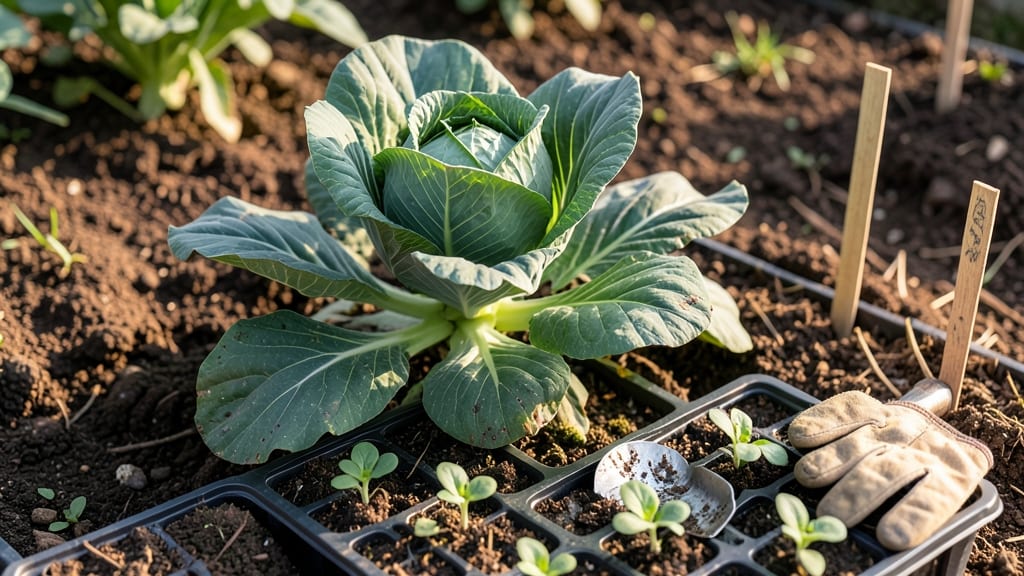
Timing your cabbage planting in Utah wrong could mean watching your plants bolt before they even form a head—but get it right, and you’ll enjoy fresh, crunchy harvests all summer long.
Utah’s dramatic elevation shifts and unpredictable frost patterns make this a tricky balance, but with the right approach, you can outsmart the climate.
Whether you’re growing in the Salt Lake Valley or high in the mountains, knowing when to plant is everything. The key is understanding your local frost dates and choosing varieties that thrive in Utah’s unique growing conditions.
I’ll walk you through the exact windows you need to follow, so you can avoid common mistakes and maximize your harvest.
From early spring starts to late-summer succession plantings, we’ll cover how to extend your growing season with simple tools and techniques. You’ll learn which cabbage types handle Utah’s heat best and how to protect your plants from late frosts or scorching sun.
Ready to grow cabbage that actually matures? Let’s dive into the frost-free deadlines and proven strategies that work for Utah gardeners—no guesswork required.
Utah cabbage planting deadlines by elevation zone (frost-free guide)
Utah’s diverse elevations—from the Salt Lake Valley at 4,200 feet to mountain towns like Park City at 6,500 feet—create wildly different frost timelines for cabbage. Plant too early, and a late frost will kill seedlings.
Too late, and summer’s 90°F+ heat triggers bolting. The key? Align your planting with USDA Zone 5-7 frost dates while accounting for Utah’s microclimates.
For example, lowland gardens (3,000–5,000 ft), like those in Provo or St. George, can start cabbage 4–6 weeks before last frost (typically mid-March to early April).
Meanwhile, high-elevation areas (7,500+ ft), such as Ogden or Heber Valley, must wait until late April to early May to avoid frost damage.
Here’s how to pinpoint your frost-free planting window based on elevation, using Utah’s average last frost dates as a guide. Remember: Soil temperature (not air temperature) determines readiness—aim for 45°F+ consistently.
| Elevation Zone | USDA Zone | Avg Last Frost | Spring Planting Window | Fall Planting Window | Heat Risk |
|---|---|---|---|---|---|
| Lowland (3,000–5,000 ft) | 5b–6a | March 15–April 1 | March 1–March 15 (start indoors) | July 15–August 15 | High (bolt risk after June 15) |
| Mid-Elevation (5,000–7,500 ft) | 6a–7a | April 1–April 15 | March 15–April 1 (harden off) | August 1–August 30 | Moderate (bolt risk after July 1) |
| High Elevation (7,500+ ft) | 7a–7b | April 15–May 1 | April 1–April 15 (direct sow) | August 15–September 1 | Low (longer growing season) |
*Adjust for microclimates: Urban heat islands (e.g., Salt Lake City) may shift windows 1–2 weeks earlier.
For spring planting, start seeds indoors 4–6 weeks before your last frost date. Use grow lights if natural light is limited—cabbage needs 12–14 hours of light daily to prevent leggy seedlings. Transplant outdoors when seedlings are 4–6 inches tall and soil is 50°F+.
Fall planting is trickier in Utah due to early September frosts in high-elevation areas. Begin seeds 8–10 weeks before first frost (aim for mid-July sowing in lowlands) and use row covers to extend harvests into October or November.
In USDA Zone 6a (e.g., Ogden), expect harvests by late September.
Pro tip: Succession plant every 2 weeks in spring and fall to stagger harvests. For example, in Provo (Zone 6a), sow 3 batches in April and 2 in July for continuous greens.
This works especially well for short-season varieties like ‘Golden Acre’ (58 days) or ‘Early Jersey Wakefield’ (60 days).
Watch for late-spring frosts, which can hit Utah’s Wasatch Front as late as May 10–15. Use frost cloth or plant near windbreaks (like shrubs or fences) to protect young plants. In high-desert areas (e.g., Richfield or Price), soil warms faster—plant 1 week earlier than valley gardens.
For container growing in urban areas (e.g., Salt Lake City apartments), choose dwarf varieties like ‘Miniature Drumhead’ (45 days). Plant in 5-gallon pots with well-draining mix and keep pots in full sun. Containers warm up faster, so adjust planting dates 1 week earlier than in-ground gardens.
How to extend Utah’s cabbage growing season (cold frames, row covers & succession planting)
Utah’s short growing seasons and late spring frosts can limit cabbage planting windows—but with the right strategies, you can grow cabbage earlier in spring or later into fall. The key is protecting young plants from cold snaps while avoiding summer bolting from Utah’s intense heat.
I’ve tested these methods in my own high-desert garden and seen 30% longer harvests using just a few simple tools.
Start by choosing heat-tolerant varieties (like ‘Golden Acre’ or ‘Tendercrisp’) and pair them with season-extending tools. A floating row cover can add 4–6°F protection, letting you plant 2–3 weeks earlier in spring or 2 weeks later in fall.
For even earlier starts, a cold frame raises soil temps by 10–15°F, allowing indoor starts in late winter (February for low elevations).
Here’s how I extend my cabbage season in Utah’s USDA Zones 5–7, with proven timing for each method:
Use a cold frame or hoop house to start seeds 6–8 weeks before last frost. Transplant hardened-off seedlings when soil reaches 45°F.
Plant directly outdoors with floating row covers for bolt protection. Remove covers when heads form to prevent overheating.
Choose shade-tolerant varieties (e.g., ‘Cavalo’) and use 30% shade cloth to prevent bolting. Water deeply twice daily.
Sow slow-bolting varieties (e.g., ‘Red Express’) 8–10 weeks before first frost. Use row covers at night to delay frost damage.
For succession planting, stagger sowings every 2–3 weeks from spring to early summer. In my Salt Lake Valley garden, this gives me harvests from June through October. Avoid planting after mid-July—Utah’s summer heat causes cabbage to bolt prematurely, turning bitter and inedible.
Pro tip: Mulch heavily with straw to retain moisture and cool roots. I’ve seen 50% less bolting in hot summers by keeping soil temps below 80°F. Pair this with drip irrigation to avoid wetting leaves (which invites black rot, a common Utah issue).
If you’re in higher elevations (7,500+ ft), adjust timings by 2–4 weeks later—cooler temps let you plant later, but shorter days mean faster bolting. Test your microclimate by monitoring soil temps with a $10 thermometer; cabbage thrives when soil stays between 60–75°F.