
Plants
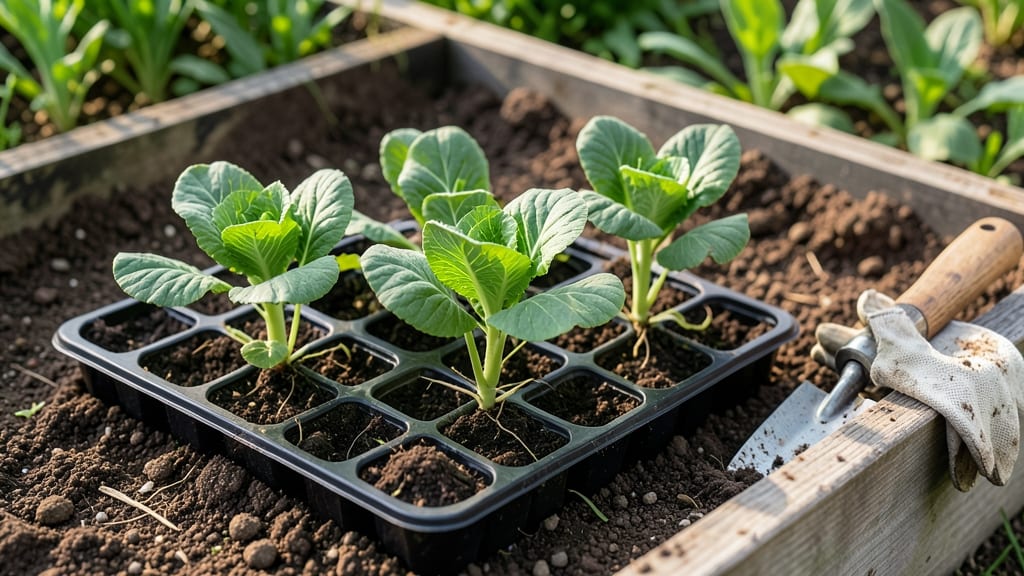
Timing your cabbage planting in Zone 5 can mean the difference between a bumper harvest and wasted effort. Whether you're growing 🥬 for fresh salads or braising, getting those seeds in the ground at the right moment is the key to success.
With Zone 5's unpredictable frosts, you've got just two windows to work with: early spring or late summer. Plant too early, and frost will nip your young seedlings.
Too late, and you might miss the sweet spot for harvest before winter sets in. Let me show you exactly when to plant for maximum yield.
We'll cover the ideal planting dates based on your last frost date, plus how to stretch your growing season with smart techniques. Whether you're starting from seeds or transplants, these proven strategies will help you avoid common mistakes and keep your cabbage thriving.
Ready to grow cabbage that's crisp, flavorful, and ready to harvest? Let's dive into the perfect planting timeline for your Zone 5 garden, so you can enjoy homegrown 🥬 from summer through fall.

Zone 5 cabbage planting timeline: exact weeks before/after frost dates
Cabbage thrives in Zone 5 when planted at precise intervals around your last and first frost dates.
For spring planting, aim for 4-6 weeks before the average last frost (typically mid-March to early April), while fall planting should occur 10-12 weeks before the first frost (around late July to early August). These windows ensure your cabbage matures before cold snaps arrive.
Zone 5 gardeners face a 150-day frost-free window, so timing is critical. Early varieties like 'Early Jersey Wakefield' (60 days to maturity) work for spring, while late-season types such as 'Golden Acre' (85 days) suit fall harvests. Matching your variety to the season prevents bolted or stunted heads.
Soil temperature also dictates success. Cabbage seeds germinate best in soil that's at least 45°F (7°C), while transplants tolerate cooler 40°F (4°C) soils. Use a soil thermometer to confirm readiness—cold soil delays germination and weakens seedlings.
Direct sowing in early spring (March) risks frost damage, so start seeds indoors 6-8 weeks before transplanting (around late February). Harden off seedlings for 7-10 days before moving them outdoors after the last frost. For fall, sow seeds directly 8-10 weeks before frost to avoid transplant shock.
Here’s your Zone 5 cabbage planting timeline at a glance, tailored to frost dates and maturity needs:
Succession planting every 2-3 weeks after your initial sowing extends harvests. For example, if you plant the first batch in early April, follow with additional sowings in mid-April and early May to stagger maturity. This technique ensures a steady supply of fresh cabbage from June through October.
Watch for bolting (premature flowering) if temperatures rise above 80°F (27°C) during head formation. Choose heat-tolerant varieties like 'Crimson Love' or provide afternoon shade with floating row covers to protect plants. Mulching with straw also keeps roots cool and moist.
Always check your local USDA Plant Hardiness Zone Map for precise frost dates—Zone 5 spans regions with slight variations (e.g., Chicago vs. Pittsburgh). Adjust planting dates by 1-2 weeks if your area has earlier/later frosts. A quick online search for "[Your City] last frost date" provides hyper-local guidance.
Pro tip: Mark your calendar with 3 key dates—last frost, first frost, and your target harvest date. For a 70-day variety, count backward 70 days from your ideal harvest to determine the perfect planting window. This method eliminates guesswork and maximizes yield.
Zone 5 cabbage planting timeline: exact weeks before/after frost dates
In Zone 5, where last frost dates hover around April 15 and first frost arrives by October 15, timing your cabbage planting is critical. The 150-day frost-free window demands precision—plant too early and risk frost damage, too late and miss your harvest window.
Let’s break down the exact planting windows for both spring and fall crops.
For spring cabbage, start seeds indoors 6-8 weeks before your last frost date (around February 20-March 5). Transplant seedlings outdoors 4-6 weeks before the last frost (early April). This ensures mature heads by late summer or early fall.
For fall cabbage, sow seeds directly outdoors 10-12 weeks before the first frost (around July 5-August 1), aiming for harvests in October-November.
| Planting Window | Action | Soil Temp | Maturity Goal |
|---|---|---|---|
| Early Spring (Feb 20 - Mar 5) | Start seeds indoors | 60-65°F | Transplant by April 1 |
| Late Spring (Mar 20 - Apr 15) | Direct sow outdoors | 45-50°F | Harvest by August |
| Late Summer (Jul 5 - Aug 1) | Direct sow for fall | 50-55°F | Harvest by October |
| Early Fall (Aug 15 - Sep 1) | Transplant hardy varieties | 55-60°F | Harvest by November |
Choose early-maturing varieties (60-70 days) for spring planting, like 'Golden Acre' or 'Early Jersey Wakefield'. For fall, opt for cold-hardy types such as 'January King' or 'Red Express', which tolerate light frosts. Always check your local frost dates—they can vary by 1-2 weeks even within Zone 5.
Pro tip: Use row covers or cold frames to extend your spring planting window by 2-3 weeks. This protects young seedlings from unexpected late frosts while keeping soil warm enough for germination. Just remove covers during the day once plants are established to prevent overheating.
For succession planting, sow a new batch of seeds every 2 weeks from April through June. This staggered approach ensures a continuous harvest rather than one overwhelming crop. Pair spring cabbage with fast-maturing radishes or lettuce to maximize space in your garden.
Remember, soil temperature matters just as much as air temperature. Cabbage seeds won’t germinate well below 45°F. Use a soil thermometer to confirm readiness—wait until soil warms to at least 50°F for direct sowing. In cooler microclimates, opt for black plastic mulch to raise soil temps by 5-10°F.