
Plants
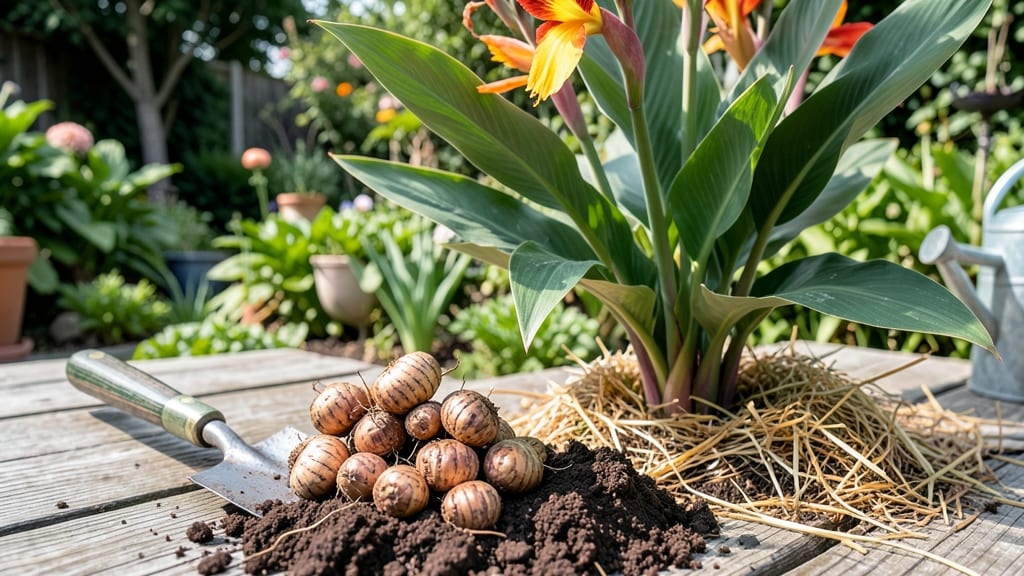
Planting your Canna bulbs 🌺 at the wrong time in Missouri could mean watching frost wipe out your blooms before they even begin—or missing the stunning summer display entirely.
With the state's unpredictable spring weather, getting the timing right is the difference between a showstopping garden and a sad, wilted disappointment.
Most Missouri gardeners in zones 5b-6b know the golden window is between mid-April and early June, but that's just the starting point. The real secret lies in watching for soil temperatures to hit at least 60°F and those last frost dates to fade into memory.
I'll show you exactly how to time it perfectly—plus how to give your cannas a head start if Mother Nature plays tricks.
You'll discover why planting too early can turn your rhizomes to mush and how to prepare your soil for maximum growth. From choosing the right varieties for Missouri's humidity to protecting your plants from late frosts, this guide covers everything you need to know.
Whether you're a seasoned gardener or just starting with cannas, these tips will help you avoid common mistakes and ensure your plants thrive all summer long. Ready to transform your garden with bold, tropical blooms? Let's dive in and make sure your cannas get the timing they deserve.
Missouri canna planting dates by hardiness zone (with frost-proofing tips)
Missouri spans USDA Zones 5a-7a, and each zone has slightly different last frost dates—typically mid-April to early May. But don’t wait too long! Cannas thrive when soil temperatures hit at least 60°F, which usually aligns with late April to early May in most of the state.
In northern Missouri (Zones 5a-5b), like St. Joseph or Kirksville, frost can linger until May 10-15. Meanwhile, southern Missouri (Zones 6a-7a), such as Springfield or Cape Girardeau, often sees frost-free conditions by April 15-20. Check your local Missouri State Climatologist for precise dates.
Here’s the golden rule: Plant canna bulbs 2-4 weeks after your last frost date. This gives young shoots time to establish roots before summer heat arrives. For example, if frost ends on April 25, aim for May 10-15 planting.
Pro tip: Use row covers or cloches to extend your planting window by 2-3 weeks in cooler zones. These protect tender shoots from unexpected late frosts while letting sunlight through for growth.
Missouri’s humid summers mean cannas love the heat, but they also need time to root deeply before the dog days of July. Planting too late (after June 1) risks stunted growth and fewer blooms.
For container gardeners, you can start cannas indoors 6-8 weeks before your last frost (around March 1 in most of Missouri). Use grow lights to simulate long days, then transplant outdoors after frost.
| Method | Planting Window | Frost Protection Needed? | Best For |
|---|---|---|---|
| Traditional Outdoor | 2-4 weeks after last frost (May 1-15) | No (if planted after frost) | Ground planting in Zones 6a-7a |
| Early Start with Cloches | 3-4 weeks before last frost (April 1-15) | Yes (remove after frost) | Northern Missouri (Zones 5a-5b) |
| Indoor Start | 6-8 weeks before last frost (March 1-15) | No (harden off outdoors) | Containers or short seasons |
If you’re in Zone 5a, like the Kansas City area, consider mulching heavily (3-4 inches of straw or leaves) to insulate rhizomes and protect them from late frosts. This can buy you an extra 1-2 weeks of growing time.
For maximum blooms, aim to have cannas fully established by June 1. This gives them 3-4 months of growth before Missouri’s first frost (usually mid-October). Late planted cannas may not reach their full 4-6 foot height or produce as many vibrant flowers.
Missouri’s clay-heavy soils can delay warming, so test your soil temperature with a soil thermometer before planting. Wait until it consistently reads 60°F or warmer at a depth of 4 inches.
Missouri canna planting dates by hardiness zone (with frost-proofing tips)
Missouri’s USDA zones 5b-7a mean your last frost date can vary wildly—from mid-April in southern zones to early May in northern regions. Canna bulbs (rhizomes) need warm soil (60°F+) to sprout, so planting too soon risks frost damage.
Aim for mid-April to early June, but use these zone-specific guidelines to avoid failure.
In zone 5b (northern MO), wait until after May 15—frost lingers longer here. For zone 6a (central MO), April 20-May 10 is ideal. Zone 7a (southern MO) gardeners can plant as early as mid-April, but monitor forecasts for late frosts.
Use local frost data from sources like the Missouri Climate Center for precision.
🌱 Missouri Canna Planting Comparison
| Method | Planting Window | Frost Protection Needed | Growth Advantage |
|---|---|---|---|
| Traditional | After last frost (May 1-June 1) | None | Reliable, low-risk |
| Early Start (Cold Frame) | April 15-May 1 | Cold frame/cloche | 2-3 weeks earlier blooms |
| Container Start | Indoors (Feb-March) | Move to containers | Extend season 4-6 weeks |
For early starts, use row covers or cloches to protect young shoots. Bury rhizomes 2-4 inches deep in well-draining soil mixed with compost. In clay-heavy Missouri soil, add sand or perlite to prevent rot.
Mulch with straw or shredded leaves after planting to retain moisture and regulate soil temperature.
Missouri’s humid summers can stress cannas, so avoid planting after June 15. Late plantings may not establish roots before fall frosts (typically mid-October). If you’re in a hot, southern zone, you can push it to early July, but expect smaller blooms.
Always harden off container-grown plants before transplanting to avoid shock.
Pro tip: Soak rhizomes overnight before planting to jumpstart growth. Then, water deeply after planting to settle soil around roots. Use a moisture meter to confirm soil is 60°F+ before planting—cold soil will stall sprouting. For zone 5b gardeners, consider black plastic mulch to warm soil faster in spring.
Remember, cannas are tender perennials—they’ll die back in frost but can be dug and stored indoors for next year. In zone 7a, they may survive winters with heavy mulch, but most Missouri gardeners treat them as annuals for simplicity.
The key is planting after frost and protecting young growth until established.