
Plants
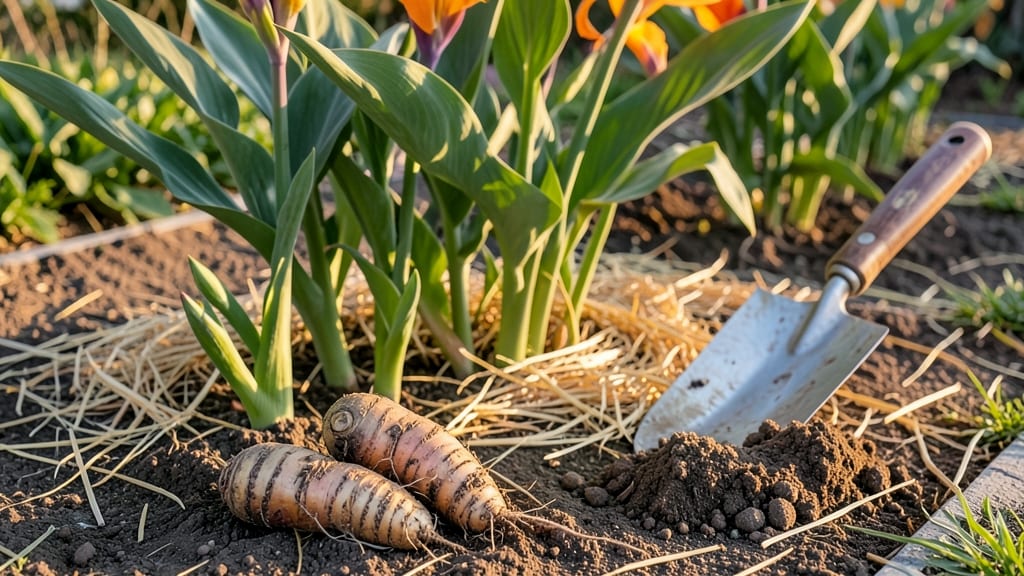
Timing your Canna planting in Kansas is the difference between a showstopping summer garden and a sad, frost-nipped disappointment. With Zones 7-8's unpredictable swings from late frosts to scorching summers, getting those rhizomes in the ground at just the right moment is everything.
Most gardeners in Kansas wait until after the last frost date—typically mid-April to early May—but that’s not the whole story. Soil temperature matters just as much as calendar dates, and rushing can leave your 🌺 cannas vulnerable to cold snaps that can set them back for weeks.
In this guide, I’ll break down the exact frost-free windows for your zone, plus soil prep tricks to give your cannas the head start they need.
You’ll learn how to spot the perfect moment when the ground is warm enough to plant—because in Kansas, patience pays off in vibrant blooms that last until fall.
Whether you’re a first-time canna grower or a seasoned Kansas gardener, these insights will help you avoid common mistakes and get your plants thriving before the heat of summer hits. Let’s make sure your garden puts on a show, not a sad, stunted performance.
Kansas frost-free dates by Zone 7-8: exact timing for cannas
Kansas gardeners in USDA Zones 7-8 face a tricky balance—plant cannas too early, and a late frost will damage tender rhizomes. Too late, and you’ll miss the 120-day growing season needed for full blooms.
The key is knowing your last frost date and adjusting for microclimates like urban heat islands or rural valleys.
Most of Kansas falls in Zone 6b-7a, where average last frost dates range from mid-April in southern Kansas to early May in northern regions. However, historical data shows frost can linger until May 10th in Zone 7, so don’t rush planting.
Waiting until after Mother’s Day (mid-May) adds a safety margin for late frosts.
| Zone | Avg Last Frost | Safe Planting Window | Microclimate Adjustment |
|---|---|---|---|
| Zone 7a (e.g., Wichita, Salina) | April 15 | May 1–10 | Urban areas: 3–5 days later; valleys: 5–7 days later |
| Zone 7b (e.g., Topeka, Manhattan) | April 25 | May 10–20 | North-facing slopes: 5–7 days later; south-facing: 3–5 days earlier |
| Zone 8a (e.g., Southeast KS) | March 30 | April 15–30 | River valleys: 5–7 days earlier; uplands: 3–5 days later |
For Zone 8a in southeastern Kansas, you can plant as early as mid-April, but monitor local forecasts. The National Weather Service provides 10-day outlooks—use these to time your planting.
In Zone 7, err on the side of caution and wait until after May 1 unless you’re using row covers for protection.
Pro tip: Check the Kansas State University Extension frost maps for 5-year averages. For example, in Manhattan (Zone 7b), the last frost occurred on May 5th in 2023 but lingered until May 18th in 2019.
This variability is why late May is often the safest bet for most gardeners.
If you’re in doubt, use the "wait until the lilacs bloom" rule—a classic Kansas gardener’s trick. Lilacs typically bloom in late April to early May, signaling it’s safe to plant cannas. This method accounts for both temperature and soil warmth, which is critical for canna rhizomes.
For container gardening, you can push the timeline slightly earlier. Pots warm up faster, and you can move them indoors or under cover if frost threatens. However, rhizomes need soil temps above 60°F to sprout, so even containers need to stay outside once planted.
Remember: Cannas are tropical plants that thrive in heat. Planting too late means shorter stems and fewer blooms. Aim for full-size plants by July to enjoy peak color through September or October. In Kansas, that means getting them in the ground by mid-May at the latest.
🌺 Use a soil thermometer to confirm temps—cannas won’t sprout until soil hits 60°F. In cooler springs, consider black plastic mulch to warm the soil faster. This is especially helpful in Zone 7, where early May soils may still be chilly.
Step-by-step guide: preparing cannas for Kansas planting season
Preparing your canna rhizomes for Kansas’ unpredictable spring weather is half the battle. Unlike annuals you can toss in the ground, cannas need warm soil and proper soil prep to thrive.
Start indoors 6-8 weeks before your target planting date to give them a head start—especially in Zone 7, where cooler soils delay growth.
First, inspect your dormant rhizomes for soft spots or mold. Discard any that look mushy or smell off—this prevents root rot later. Soak healthy rhizomes in lukewarm water for 24 hours to rehydrate them. This jumpstarts growth and helps them recover from winter dormancy faster than dry planting.
🌱 Pro Tip: Place rhizomes in a mesh bag during soaking to prevent them from floating away. After soaking, let them dry slightly (they should feel damp but not soggy) before planting.
-
Step 1: Harden Off Rhizomes
🌡️
Move potted rhizomes outdoors for 2-3 hours/day starting 1 week before planting. Gradually increase exposure to Kansas sunlight and wind to toughen them up. -
Step 2: Test Soil pH & Amend
🌱
Cannas prefer slightly acidic to neutral soil (pH 6.0–7.0). Test your soil and amend with garden lime (to raise pH) or peat moss (to lower pH) as needed. Kansas clay soils often need compost or sand for better drainage. -
Step 3: Warm the Soil
☀️
Spread black plastic mulch over planting beds 1–2 weeks before planting. This raises soil temps by 5–10°F, helping rhizomes sprout faster. Remove mulch only after planting. -
Step 4: Plant at the Right Depth
🪴
Dig holes 4–6 inches deep and space rhizomes 12–18 inches apart. Place them with the eyes (growth nodes) facing upward. Cover with soil and water deeply to settle roots. -
Step 5: Mulch & Protect
🌿
Apply 3–4 inches of mulch (straw or shredded leaves) to retain moisture and suppress weeds. In Zone 7, add a frost cloth if nights dip below 50°F for the first week.
After planting, monitor your cannas for new shoots, which should appear in 2–4 weeks if soil temps are ideal. If you notice yellowing leaves or stunted growth, it’s often a sign the soil stayed too cool.
In that case, add more mulch or use a mini greenhouse to trap heat.
💡 Kansas-Specific Tip: If you’re in Zone 8a and planting early, consider using row covers for the first 2 weeks. These protect against unexpected late frosts while still allowing sunlight to reach the plants. Remove covers once shoots emerge to prevent overheating.
Finally, mark your planting date on a calendar! Cannas need 120 days to reach peak bloom, so timing is everything. By following these steps, you’ll give your cannas the best possible start—setting them up for bold, long-lasting blooms that Kansas summers are famous for.