
Plants
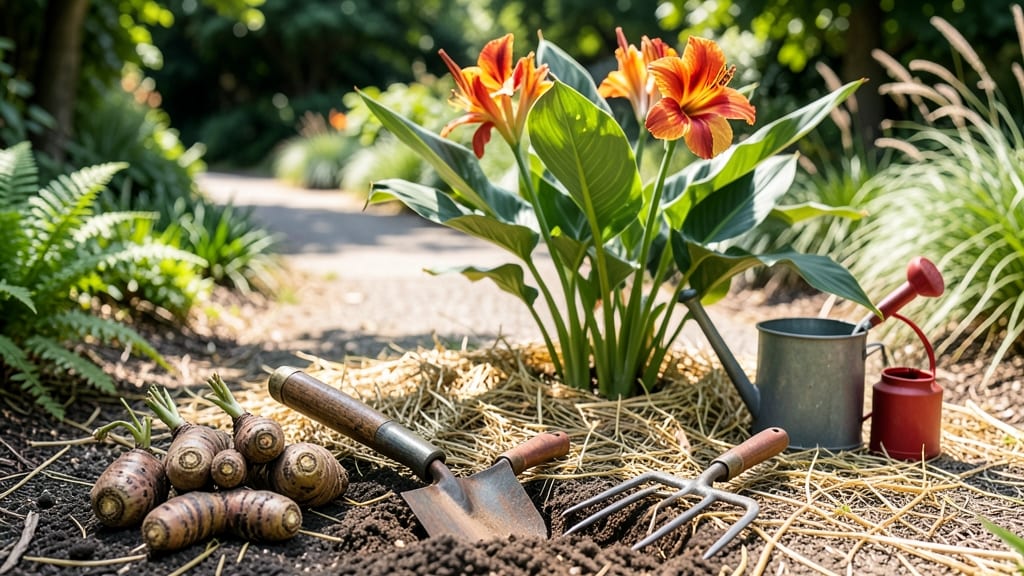
Timing your canna planting in Zone 7 could mean the difference between a garden bursting with 🌺 bold blooms and struggling plants that never quite thrive.
These heat-loving beauties demand patience—plant too early, and frost will nip them in the bud; wait too long, and you’ll miss the growing season entirely.
If you’re in Zone 7a or 7b, where last frost typically lingers around mid-April, the ideal window to plant cannas opens just as the soil warms. But here’s the catch: rushing the process can backfire, especially when nighttime temps still dip below 60°F.
Let me break down the exact steps to time your planting for maximum success.
Beyond frost dates, soil temperature and microclimates play a huge role in whether your cannas take off. I’ll share how to check for readiness, which varieties handle Zone 7’s humidity best, and even how to extend their bloom time well into fall.
Ready to transform your garden into a tropical oasis?
Whether you’re a seasoned gardener or just starting with cannas, these insights will help you avoid common pitfalls and enjoy months of vibrant color. Let’s get those rhizomes in the ground at the perfect moment!

Optimal planting windows for cannas in Zone 7: after last frost
Planting cannas in Zone 7 at the right time means the difference between vibrant blooms and struggling plants. Since cannas are tropical, they need warm soil and frost-free conditions to thrive.
In Zone 7, this typically means waiting until mid-April to early June, but your exact timing depends on your specific microclimate and whether you're in Zone 7a (colder) or Zone 7b (warmer).
Zone 7a gardeners should wait until after May 1 to plant, as late frosts can still occur. Meanwhile, Zone 7b gardeners can start as early as mid-April, provided soil temperatures are consistently above 60°F (15°C).
Always check your local last frost date—this is your golden rule for canna planting.
Why wait? Cold soil and early spring frosts can stunt growth or even kill canna tubers. These plants need at least 60 days of warm weather to establish roots before they burst into bloom.
Planting too early in Zone 7 risks rot or slow growth, while waiting too long may mean missed blooms by summer's end.
🌱 Pro Tip: Use a soil thermometer to confirm temperatures are above 60°F (15°C) before planting. This is especially critical in Zone 7a, where cooler springs delay warming.
🌺 Zone 7 Canna Planting Timeline
| Stage | Action | Notes |
|---|---|---|
| Zone 7a | Plant after May 1 | Soil must be 60°F+ |
| Zone 7b | Plant after April 15 | Warmer microclimates allow earlier planting |
| Soil Temp | 60°F+ (15°C+) | Use a thermometer for accuracy |
| Planting Depth | 2-4 inches deep | Prevents rot while allowing growth |
| Spacing | 12-18 inches apart | Allows airflow and prevents disease |
If you miss the spring planting window, don’t panic! Cannas are heat-loving plants that can also be planted in early summer (June) in Zone 7. However, summer-planted cannas may bloom later or produce fewer flowers, as they need 60-90 days to establish before blooming.
For the best results, aim for late spring planting.
Another key factor is soil preparation. Cannas thrive in well-draining soil with a pH of 6.0-7.0. Amend heavy clay soils with compost or sand to improve drainage, as waterlogged roots lead to rot. In Zone 7’s humid summers, proper drainage is non-negotiable for canna success.
💡 Zone 7 Specific Tip: If your area has high humidity, consider planting cannas in raised beds or on mounds to improve drainage. This mimics their natural tropical habitat and reduces rot risk.
Finally, don’t forget that cannas multiply yearly. Each tuber can produce 3-5 shoots, so spacing and soil prep now will pay off with bold blooms for years to come.
With the right timing and care, your Zone 7 garden can become a canna paradise—just wait until you see those vibrant flowers in full swing!
☀️ Remember: The key to canna success in Zone 7 is patience. Waiting for the right soil temperature and frost-free conditions ensures your plants grow strong and bloom spectacularly.
Optimal planting windows for cannas in Zone 7: after last frost
Zone 7 gardeners know that timing is critical for tropical plants like cannas, which crave warmth but can't handle frost. The ideal planting window in Zone 7 runs from mid-April to early June, right after your last expected frost date.
For Zone 7a (colder microclimates), aim for late April, while Zone 7b gardeners can plant as early as mid-April. Checking your local frost-free date is key—cannas won't thrive if planted too soon in chilly soil.
Soil temperature matters just as much as air temperature. Cannas need soil that's consistently above 60°F (15°C) to sprout properly. Use a soil thermometer to confirm—planting in cooler soil can lead to rot or stunted growth.
In Zone 7, this typically aligns with late April to early May, but monitor your garden's microclimate, as urban areas may warm faster than rural spots.
🌱
🌺 Zone 7 Canna Planting Timeline
| Stage | Action | Notes |
|---|---|---|
| Prep Tubers | Soak in warm water for 4-6 hours | Encourages faster sprouting |
| Check Frost Dates | Plant after April 15 (Zone 7a) or April 1 (Zone 7b) | Use local weather data |
| Soil Prep | Amend with compost; ensure drainage | Avoid soggy soil |
| Plant Depth | 2-4 inches deep, 12-18 inches apart | Prevents rot and allows expansion |
| First Blooms | Expect by late June to July | Full sun accelerates flowering |
Waiting too long to plant cannas in Zone 7 can shorten your bloom season. If you miss the spring window, you can still plant in early summer (June), but expect fewer blooms that season. Cannas planted after July may not establish roots before fall's first frost, leaving them vulnerable.
For a second planting, choose dwarf varieties like 'Pyramid' or 'LuLu', which mature faster and tolerate cooler temperatures better than tall types.
Pro tip: Mark your calendar for October 15, Zone 7's average first frost date. This is your cue to start planning tuber storage or winter care.
In the meantime, enjoy your cannas' dramatic foliage and vibrant blooms—just don't let them go to seed too early, as this signals the end of their growth cycle.
🌿