
Plants
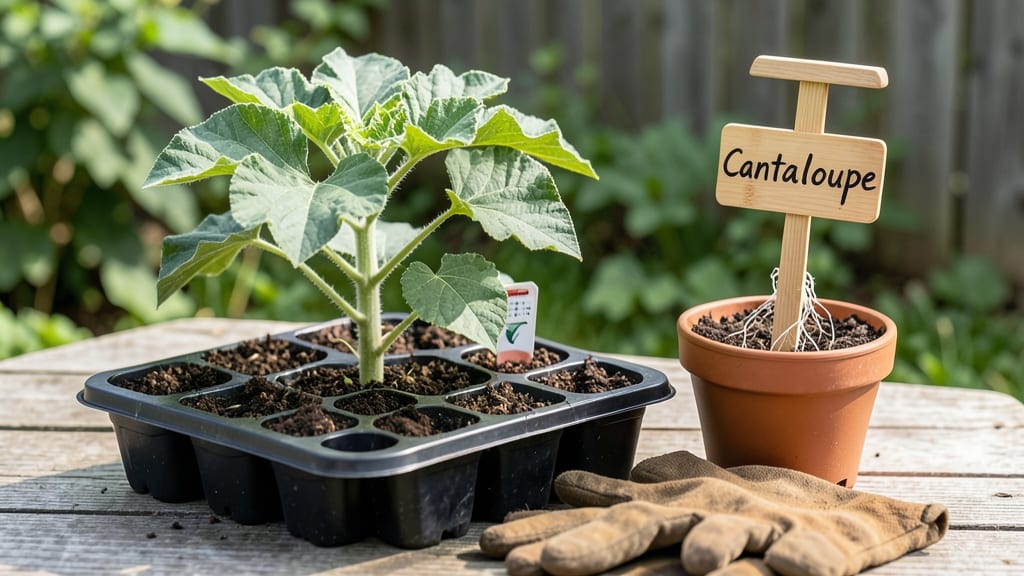
Timing your cantaloupe planting in Indiana could mean the difference between a sweet summer harvest and a sad, wilted vine. With Indiana's 6a climate, knowing when to plant this 🍈 isn't just about dates—it's about soil temperatures and frost-free windows that most gardeners miss.
Most gardeners wait until after the last frost, but cantaloupes need something more: soil that's warmed to at least 70°F. That usually means holding off until late April or early May, when the ground finally cooperates.
Planting too soon risks frost damage, while waiting too long might shorten your harvest window.
I've learned the hard way that Indiana's spring weather can be unpredictable, but with the right timing and a few smart tricks—like using black plastic mulch—you can give your cantaloupes the perfect start. Let me show you exactly how to get it right.
From choosing the right varieties to extending your growing season, we'll cover everything you need to know to turn your Indiana garden into a cantaloupe paradise. Ready to grow those juicy, ripe melons? Let's get started.
Indiana’s ideal cantaloupe planting timeline by soil temperature & frost dates
Cantaloupe thrives in Indiana’s warm summers but needs precise timing to avoid frost damage or stunted growth. The key is planting after your last frost date (typically April 15 in most of Indiana) and when soil temperatures hit 60°F or higher.
In USDA Zone 6a, this usually means waiting until late April to early May for direct sowing.
For gardeners in northern Indiana, where frosts linger longer, early May is safer. Southern Indiana’s milder climate allows late April plantings, but always verify your local frost-free date using the Indiana State Climate Office resources. Soil thermometers are your best friend here—cantaloupe roots need warmth to germinate properly.
Here’s the breakdown of Indiana’s planting windows based on frost-free zones and soil temperature:
| Planting Stage | Indiana Region | Soil Temp Requirement | Ideal Planting Window | Key Consideration |
|---|---|---|---|---|
| Direct Sowing | Northern Indiana (Zone 6a) | 60°F+ | Late April - Early May | Wait for consistent 60°F soil temps |
| Direct Sowing | Southern Indiana (Zone 6b) | 60°F+ | Late April | Earlier risk of frost in valleys |
| Transplanting | All Regions | 70°F+ | Early May - Mid-May | Hardier seedlings survive cooler soils |
| Succession Planting | All Regions | 60°F+ | Late May - Early June | Extends harvest into August |
If you’re starting cantaloupe indoors (a great way to jumpstart growth), begin seeds 4-6 weeks before your last frost date. Use biodegradable pots to avoid transplant shock when moving seedlings outdoors in early May.
Remember, cantaloupe vines spread 3-6 feet, so plan your spacing accordingly—2 feet between plants in rows 5 feet apart.
Pro tip: Use black plastic mulch to warm the soil faster and retain moisture. This method can shave 1-2 weeks off your planting timeline by creating a microclimate that mimics summer conditions. Just be sure to remove it after harvest to prevent soil compaction.
For Indiana gardeners, late May to early June is also a viable window for succession planting. This second wave ensures a continuous harvest through August, just as Indiana’s summer heat peaks. Just monitor your plants closely for powdery mildew, which thrives in the humid Hoosier summers.
One common mistake is relying solely on calendar dates instead of soil temperature. A 50°F soil in early May might still be too cold for cantaloupe seeds to germinate. Always check with a soil thermometer—it’s the most reliable indicator of readiness.
Local Indiana varieties like ‘Athena’ or ‘Hale’s Best’ are well-suited to the state’s climate. These heat-tolerant cantaloupes handle Indiana’s hot summers and humidity better than tropical varieties. Pair them with radishes or onions as companion plants to deter pests naturally.
Finally, mark your calendar for October 15, Indiana’s average first frost date. Cantaloupe plants won’t survive frost, so plan to harvest by mid-September to avoid wasted effort. With the right timing, you’ll enjoy homegrown cantaloupe at its sweetest—just in time for summer picnics! 🍈
Indiana’s ideal cantaloupe planting timeline by soil temperature & frost dates
Indiana’s USDA Zone 6a climate means cantaloupe thrives when planted after the last frost date—typically around May 15 in most regions. However, soil temperature is more critical than calendar dates.
Cantaloupe seeds need 60°F+ soil to germinate, but vines grow best when soil reaches 70°F+. In northern Indiana, this often means waiting until late May or early June.
Southern Indiana gardeners can start slightly earlier, around mid-April, but always verify with your local frost-free date. Use a soil thermometer to confirm readiness—cantaloupe hates cold soil, which slows growth and invites disease. If your soil is too cool, consider black plastic mulch to warm it faster.
| Stage | Action | Indiana Timeline |
|---|---|---|
| Soil Prep | Test pH (6.0-6.8), amend with compost | Early April (northern IN) / Late March (southern IN) |
| Plant Seeds | Direct sow ½" deep, 3-4 seeds per hill | Late May (northern) / Early May (southern) |
| Germination | Keep soil warm (70°F+), water lightly | 7-14 days (varies by warmth) |
| Thinning | Leave strongest vine per hill (18" apart) | 3-4 weeks after sowing |
| Harvest Ready | Check for creamy rind, sweet scent | July-August (70-90 days after planting) |
For Indiana’s northern counties, aim to plant by June 1 to ensure a harvest before fall frosts. Southern Indiana gardeners can push planting to late June for a late-summer crop, but expect smaller yields. Always monitor weather forecasts—unexpected late frosts in May can devastate young seedlings.
Pro tip: Start seeds indoors 4-6 weeks before your target outdoor date if your growing season is short. Use biodegradable pots to transplant seedlings without disturbing roots. Place them in a sunny window or under grow lights for 12+ hours daily until soil warms.
Indiana’s short growing season (only ~165 frost-free days) demands precision. If you miss the ideal window, consider container growing—cantaloupe vines thrive in large pots (15+ gallons) and can be moved to warmer microclimates like patios or greenhouses if temperatures drop unexpectedly.