
Companion Plants
If you’ve ever planted cantaloupe in Pennsylvania only to watch your vines wilt in cool spring soil, you’re not alone. The key to a bountiful harvest isn’t just when to plant cantaloupe in PA—it’s understanding your soil’s hidden temperature triggers.
Skip this step, and you’ll end up with bitter fruit or stunted plants, no matter how hard you try.
Here’s the secret: cantaloupes like it hot—think 70°F+ soil and nights above 50°F. In Pennsylvania’s 5b-7a zones, that means waiting until late April or early May, long after the last frost.
But timing varies by region, from southeastern PA’s warmer pockets to northeastern PA’s cooler valleys. Let me break down how to pinpoint your perfect planting window.
You’ll also discover how to prep your soil, choose the right varieties for your microclimate, and avoid common PA pitfalls like humidity-related diseases. With these insights, you’ll go from guessing to growing sweet, ripe cantaloupes—straight from your garden to your table.
Ready to turn your cantaloupe dreams into reality? Let’s get started with the exact steps to plant for success in Pennsylvania’s unpredictable climate.
Optimal soil temperature and frost-free date ranges for PA cantaloupe planting
Cantaloupes are heat-loving annuals that refuse to germinate in cold soil, making soil temperature your most critical factor in Pennsylvania. Unlike cooler crops, cantaloupes won’t thrive if planted too early—even if frost danger has passed.
The minimum soil temperature for germination is 55°F (13°C), but for vigorous growth, aim for 70°F (21°C) or warmer. In PA’s USDA Zones 5b-7a, this typically means waiting until late May in northern regions and mid-May in southern zones.
PA’s frost-free dates vary dramatically: late April in the south (e.g., Philadelphia) but mid-May in the north (e.g., Erie). However, frost isn’t the only risk—cool nighttime temperatures below 50°F (10°C) can stunt vines and delay fruit set.
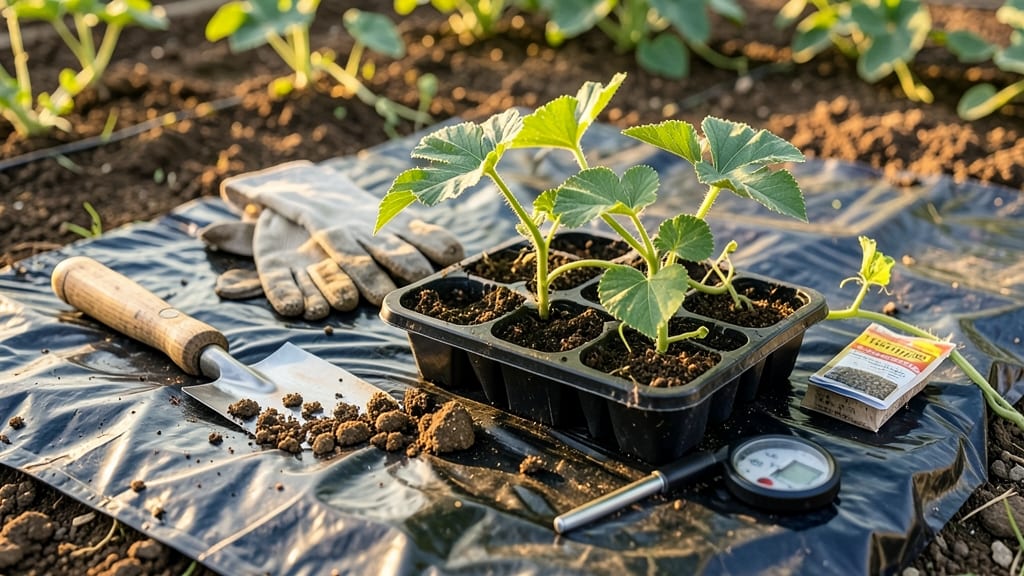
Use a soil thermometer to confirm warmth before planting, especially in cooler microclimates like mountain valleys.
Here’s how to calculate your exact planting window: Check your local last frost date (PA averages April 15 for southern zones), then add 2-4 weeks to ensure soil warmth.
For example, in Pittsburgh (Zone 6a), plant May 1-15 when soil hits 65°F+. In Allentown (Zone 6b), you can start a week earlier due to warmer microclimates.
| Factor | Early Planting (Pre-Soil Warmth) | Ideal Planting (Soil 70°F+) | Late Planting (Post-June) |
|---|---|---|---|
| Germination Rate | Slow or fails (≤55°F) | Fast (55-70°F) → Vigorous (70°F+) | Good if soil warm |
| Frost Risk | High (stunted growth) | Low (post-last frost) | None (but shorter season) |
| Pest Pressure | Moderate (slugs, cutworms) | Low (healthy plants repel pests) | High (late-season pests like cucumber beetles) |
| Harvest Window | Delayed (small, bitter fruit) | July–September (peak sweetness) | Late August–October (smaller yields) |
| PA Regions | Northern PA (Erie, Scranton) | Central/Southern PA (Harrisburg, Philly) | All regions (but risk in Zone 5b) |
Pro tip: Use black plastic mulch to warm soil 5-10°F faster than bare ground. Lay it down 2 weeks before planting to create a microclimate that mimics summer conditions.
This trick lets you plant 1-2 weeks earlier in cooler zones like State College (Zone 6a), where soil lingers near 60°F in late May.
If you’re in Zone 5b (northwest PA), opt for early-maturing varieties like ‘Ambrosia’ (70 days to harvest) to beat the clock.
In Zone 7a (southeast PA), you can afford slower varieties like ‘Hale’s Best’ (85 days) and even try a second planting in early July for a fall harvest. Just ensure 120 frost-free days remain after planting!
PA’s humidity can also affect cantaloupe success—high moisture promotes powdery mildew. To mitigate, plant on raised beds with well-draining soil (aim for 6.0–6.8 pH) and avoid overhead watering. A light mulch of straw keeps roots cool while reducing fungal spores.
For container growing in PA, use 5-gallon pots and plant after June 1 when soil in urban areas (like Pittsburgh) finally warms. Place pots in full sun and fertilize weekly with a low-nitrogen formula (e.g., 5-10-10) to encourage fruiting over leafy growth.
Remember: Cantaloupes need heat—they won’t set fruit if nighttime temps drop
Optimal soil temperature and frost-free date ranges for PA cantaloupe planting
Cantaloupes are heat-loving plants that refuse to thrive in cool Pennsylvania springs. The key to success? Planting when soil temperatures hit 55°F+ for germination and 70°F+ for vigorous growth.
In PA’s USDA Zones 5b-7a, this typically means waiting until late May in cooler northern regions or early May in warmer southern zones like Lancaster or Philadelphia.
Your last frost date is a starting point, but it’s not the whole story. For example, Pittsburgh’s average last frost is April 15, but cantaloupes won’t germinate until soil warms to 55°F—often 3-4 weeks later.
Always check local weather data (like Penn State’s Ag Weather Network) for real-time soil temps.
| Factor | Early Planting (April) | Ideal Planting (May) | Late Planting (June) |
|---|---|---|---|
| Soil Temp (°F) | 45-50°F (❌ Too cold) | 60-70°F (✅ Perfect) | 75-85°F (⚠️ Risk of bolting) |
| Frost Risk | High (❌ Seed rot) | Low (✅ Safe) | None (✅ But shorter season) |
| Pest Pressure | Moderate (⚠️ Slugs thrive) | Low (✅ Best window) | High (⚠️ Cucumber beetles) |
| Harvest Window | Late July (❌ Small fruit) | July-Sept (✅ Full-size) | Sept-Oct (⚠️ Risk of frost) |
For northern PA (Erie, Scranton), aim for May 15-June 1 to avoid late frosts.
In central PA (Harrisburg, State College), late April to early May works if soil is warm enough. Southern PA (Reading, Allentown) can start as early as April 20, but verify with a soil thermometer—cantaloupes won’t wait for you!
Pro tip: Use black plastic mulch to warm soil by 5-10°F faster. Lay it down 2 weeks before planting to jumpstart germination. Pair this with row covers for early starts, and you’ll push your harvest window by 2-3 weeks.
Remember, cantaloupes need 90+ days of warmth to mature. If you plant too late, you’ll end up with bitter, undersized fruit. Balance your planting date with your first frost risk—aim for a harvest before mid-October in most of PA.