
Plants
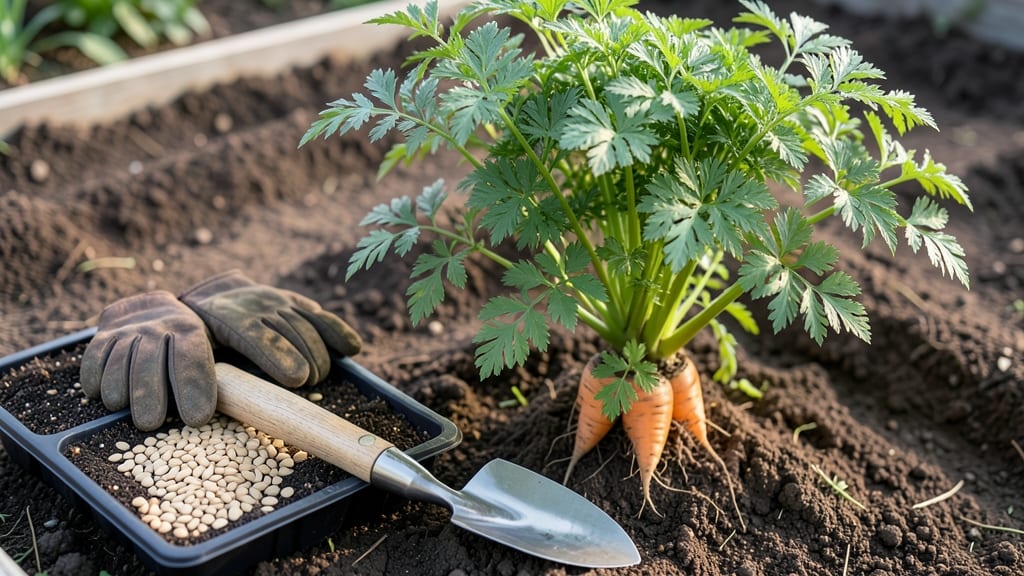
Knowing when to plant carrot seeds in Ohio can mean the difference between a bumper crop of sweet, crisp 🥕 and a patchy harvest—or worse, bolting before you even get to taste them.
Ohio’s unpredictable spring weather makes timing critical, but with the right strategy, you can stretch your growing season from early spring to late fall.
Most Ohio gardeners focus on two prime windows: early spring (March–April) and late summer (July–August), but your local microclimate plays a bigger role than you might think.
Whether you’re in chilly USDA Zone 6a or a slightly warmer pocket, soil temperature and frost dates dictate your best bet for avoiding bitter, stringy roots.
Here’s the game-changer: succession planting. By spacing out your sowings every 3 weeks after your first planting, you can enjoy fresh carrots from July through October—no more grocery store trips needed.
We’ll break down exactly how to time it, plus pro tips to keep your 🥕 from turning woody or flowering too soon.
Ready to turn your Ohio garden into a carrot powerhouse? Let’s dive into the deadlines, soil secrets, and simple tricks that’ll have you harvesting like a local by midsummer.
Ohio’s carrot planting deadlines by microclimate Zone
Ohio’s diverse climate—from Toledo’s USDA Zone 5b to Cincinnati’s Zone 6a—means your carrot planting window can shift by 3-4 weeks depending on location. Miss these deadlines, and you’ll either deal with frost-damaged seedlings or heat-stressed bolting before harvest.
Let’s break down the exact timing for each zone, including soil temperature thresholds and regional quirks.
First, know your zone: Northern Ohio (e.g., Toledo, Cleveland) falls into Zones 5a-5b, while Central (Columbus, Dayton) and Southern Ohio (Cincinnati, Lexington) are Zone 6a. These zones dictate when to start seeds indoors (if at all) and when to sow directly outdoors.
For Ohio, direct sowing outdoors is almost always best—carrots hate transplanting and bolt easily when stressed.
Here’s the golden rule: Wait until the soil temperature reaches 50°F (10°C) at 2 inches deep. Below this, seeds rot; above 85°F (29°C), they bolt.
In Ohio, this typically aligns with mid-April to early May for spring plantings, but Toledo’s cooler microclimate may push you to late April.
For a second harvest, aim for late July to early August sowings. This window lets carrots mature before first frost (October 15) while avoiding the mid-summer heat that triggers bolting.
In Southern Ohio, you might squeeze in a third planting by late August, but Northern Ohio gardeners should stop by mid-August to avoid frost risks.
Pro Tip: Use a soil thermometer—they’re cheap and save you from wasted seeds. If your soil is below 50°F in April, wait. If it’s above 80°F in July, use shade cloth or opt for short-day varieties like ‘Paris Market’.
| Zone | Primary Planting Window | Soil Temp Threshold | Bolting Risk | Notes |
|---|---|---|---|---|
| 5a (Northern: Toledo, Cleveland) | Mid-April to early May | 50°F (10°C) minimum | High in July-August | Use black plastic mulch to warm soil faster. |
| 5b (Central-North: Findlay, Mansfield) | Late March to mid-April | 50°F (10°C) minimum | Moderate in July | First frost often October 20—plant by August 15 for fall harvest. |
| 6a (Central: Columbus, Dayton) | Early April to late April | 50°F (10°C) minimum | Low in July, high in August | Can attempt late August planting for fall harvest. |
| 6b (Southern: Cincinnati, Lexington) | Late March to early April | 50°F (10°C) minimum | Low in July, moderate in August | First frost October 10—push to late August for fall crops. |
Bolting is your biggest enemy in Ohio’s variable summers. Carrots bolt when they sense long daylight hours + heat stress. In Zone 5a, July’s 15-hour days can trigger bolting if soil stays dry.
Solution? Plant shorter-day varieties like ‘Nantes’ or use 30% shade cloth during peak heat (11 AM–3 PM).
For fall plantings, focus on late July to early August sowings. By September, days shorten, and cooler temps reduce bolting risk. Mulch with straw to keep soil temps stable—this is key for Zone 5a gardeners who face earlier frosts.
Aim for 70-day varieties like ‘Danvers Half Long’ to harvest before frost.
One last tip: Succession plant every 2 weeks from April to July. This spreads out your harvest and reduces bolting pressure. For example, sow 50 seeds every 14 days in a 10-foot row—you’ll have continuous carrots from July to October without overcrowding.
Now you’re ready to plant with confidence! Track your local frost dates (check the Old Farmer’s Almanac), test soil temps, and adjust for your microclimate. With these deadlines, you’ll avoid the two biggest Ohio carrot failures: frost loss
How to extend Ohio’s carrot growing season without bolting
Ohio’s short growing season can feel like a race against time for carrots—especially when you want to avoid the dreaded bolting. The key is strategic planning: using shade cloth, selecting cold-hardy varieties, and timing your succession plantings like a pro.
With the right techniques, you can stretch your harvest from early summer all the way to frost.
Start by choosing slow-bolting varieties like ‘Danvers Half Long’ or ‘Nantes’—these hold up better under Ohio’s heat stress than delicate heirlooms. Pair them with black plastic mulch in early spring to warm the soil faster, or use floating row covers in late summer to shield seedlings from sudden heat spikes.
For fall plantings, aim for mid-July to early August when soil temps drop below 80°F. This timing gives carrots 60-70 days to mature before frost while avoiding the long daylight hours that trigger bolting. A 30-40% shade cloth can buy you extra weeks in hot zones like Cincinnati.