
Plants
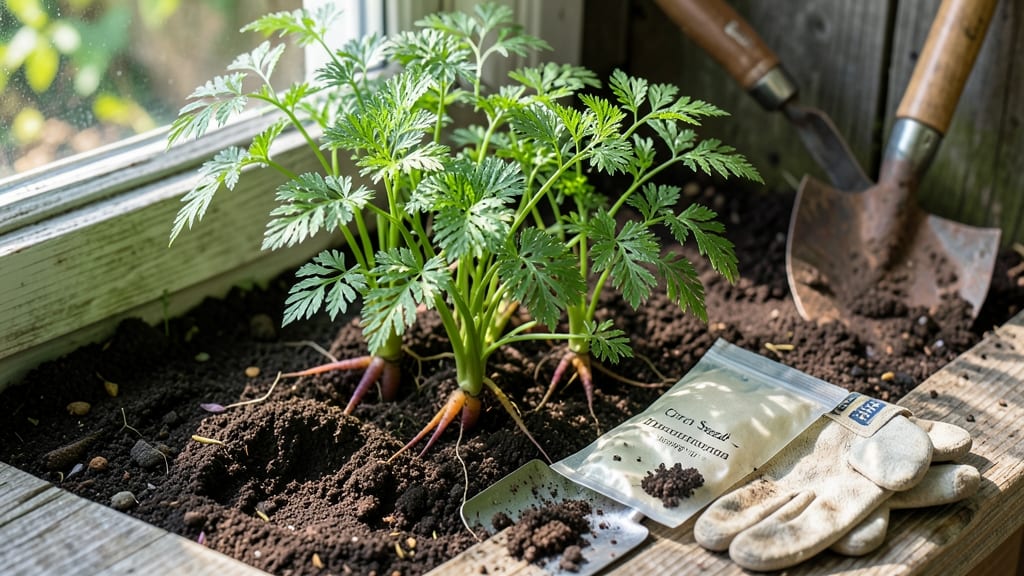
Timing your 🥕 carrot planting in Zone 9a isn’t just about seasons—it’s about beating the heat. Plant too early, and your carrots bolt before you even taste them; too late, and they’ll struggle to mature before summer’s peak.
The key? Understanding soil warmth triggers and heat tolerance thresholds to grow sweet, straight roots without the stress.
In Zone 9a’s frost-free climate, the ideal window stretches from late summer through winter, but not all months are created equal. We’re talking September through February, when soil temps stay in that perfect 55-75°F range—cool enough to prevent bolting but warm enough for steady growth.
Miss this window, and you risk forked roots or bitter flavors, neither of which you want in your harvest.
Here’s the game-changer: succession planting every 3-4 weeks after your first sowing. This simple trick ensures a continuous supply of fresh carrots from winter through spring, even in Zone 9a’s mild but unpredictable climate. No more gaps in your garden’s productivity—just a steady stream of crisp, homegrown goodness.
Ready to master the art? I’ll walk you through soil prep, variety selection, and exact planting weeks—so you can skip the guesswork and enjoy a zero-bolt, zero-stress harvest. Let’s get those seeds in the ground the right way.

Zone 9a carrot planting calendar: exact weeks for fall & winter harvests
In Zone 9a, where summer temperatures can soar above 90°F, carrots thrive best when planted during cooler months. The key is timing your sowing to align with soil temperatures between 55-75°F—any hotter and they’ll bolt prematurely.
My fall planting window starts in late August and peaks in September-October, while winter sowing works through December-February.
Carrots need 70-85 days to mature, so aim to plant 10-12 weeks before your first expected cool snap (even though Zone 9a rarely freezes, temperature drops below 60°F can slow growth).
For example, if you want a Christmas harvest, start seeds around October 15th—they’ll mature just in time for the holidays.
Here’s the golden rule: Never plant carrots when daytime highs exceed 85°F. The heat triggers bolting (flowering), turning your sweet roots into bitter, stringy stalks. Instead, focus on fall and winter for the best results.
Zone 9a’s microclimates add complexity—urban areas may stay warmer than rural spots. If you’re unsure about your exact soil warmth, use a soil thermometer (I’ll cover this in detail later). For now, bookmark these ideal planting weeks:
For succession planting, sow new seeds every 2-3 weeks during your ideal window to ensure a continuous harvest. For example, if you plant on September 1st, follow up with September 15th and October 1st for staggered maturity.
This technique works especially well in Zone 9a’s mild winters, where you can enjoy fresh carrots year-round.
Pro tip: Transplanting seedlings in Zone 9a is tricky because carrots have delicate taproots that hate disturbance. If you’re starting indoors, direct-sow 2-3 weeks before your outdoor planting date to minimize transplant shock. Use biodegradable pots and plant them directly into the soil to reduce root trauma.
One common mistake I see is planting too densely to save space. Carrots need 2-3 inches between seeds to grow straight—crowding leads to forked roots. Thin seedlings to 3-4 inches apart when they’re 2 inches tall, or use wide rows (12-18 inches apart) for easier access.
Finally, mulch heavily after planting to stabilize soil temperatures and retain moisture. I use straw or shredded leaves—it keeps the soil 5-10°F cooler than ambient air temps, which is a game-changer in Zone 9a’s hot afternoons.
Just be sure to keep mulch 2 inches away from stems to prevent rot.
With this schedule, you’ll avoid the two biggest pitfalls in Zone
Zone 9a carrot planting calendar: exact weeks for fall & winter harvests
Zone 9a’s mild winters and long growing season make fall and winter the perfect time to plant carrots. Unlike cooler climates, you can avoid bolting (premature flowering) by planting when soil temps stay between 55-75°F.
This means skipping spring and summer entirely—hot soil triggers bitter flavors and stunted growth.
My ideal planting window is late August through November, with September and October being the sweet spot. For winter harvests, sow seeds in December—they’ll mature just as spring approaches. The key? Succession planting every 2-3 weeks ensures a continuous supply.
| Planting Window | Soil Temp (°F) | Harvest Time | Notes |
|---|---|---|---|
| Late August - Early September | 65-75°F | October - November | Best for early fall harvests; avoid summer heat. |
| Mid-September - October | 60-70°F | November - December | Peak season; ideal for storage carrots. |
| November - Early December | 55-65°F | January - February | Winter crop; protect with mulch. |
| December - January | 50-60°F | March - April | Late winter; watch for pests. |
If you’re transplanting seedlings (not recommended for carrots), do it 2-3 weeks before the direct-sowing window. Seedlings struggle to establish roots in Zone 9a’s heat, so direct sowing is always better. For container growing, use deep pots (12+ inches) and plant 2 weeks earlier—containers cool faster.
Pro tip: Shade cloth (30-50%) during late fall can extend your harvest window into early spring. Just remove it by December to avoid fungal issues. Always water deeply before and after planting to encourage root development in the loose soil carrots crave.
Never plant carrots in summer (June-August)—the heat causes bolting and forked roots. Instead, use that time to prep soil with compost and remove weeds for your fall crop. With this schedule, you’ll enjoy harvests every 2 months from fall through spring.