
Plants
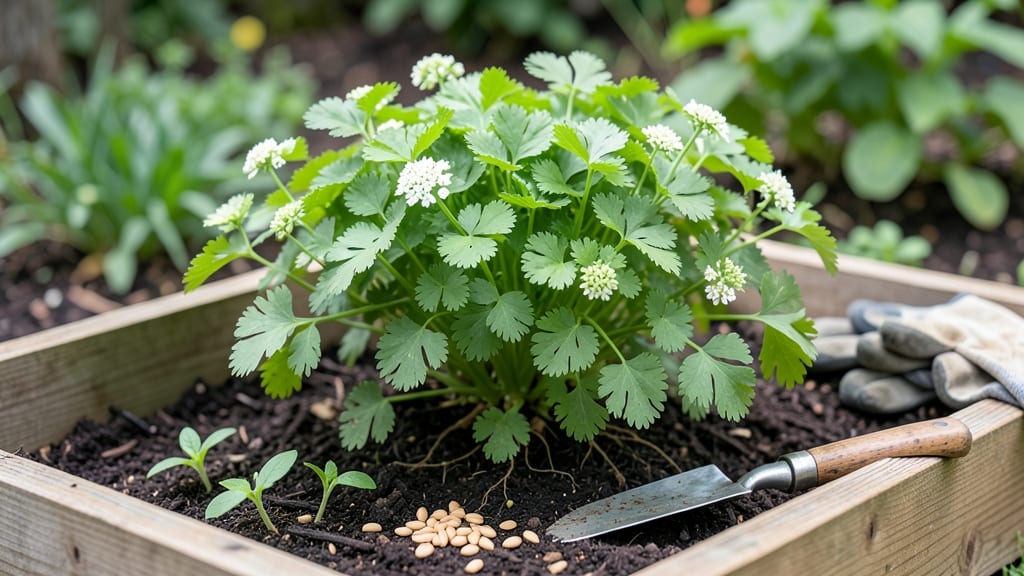
If you’ve ever planted cilantro in Missouri only to watch it bolt into flower within weeks, you’re not alone—timing is everything for this finicky herb.
The key to growing lush, leafy cilantro 🌿 lies in understanding Missouri’s 5b-6b climate, where spring’s unpredictable frost and summer’s brutal heat make all the difference.
Most gardeners in Missouri know cilantro thrives in cool weather, but the exact planting window can feel like a moving target. Plant too early, and a late frost will set you back; too late, and the heat will trigger bolting before you even harvest.
The secret? Start seeds indoors 4-6 weeks before your last frost date (around March-April) or sow directly in August-September for a fall harvest.
Don’t let Missouri’s heat derail your cilantro dreams—this herb can actually handle light shade and consistent moisture, which is the real game-changer. With the right strategy, you’ll go from wilted leaves to a steady supply of fresh cilantro for tacos, soups, and salads all season long.
Ready to master the art of cilantro planting in Missouri? I’ll walk you through the best months to plant, how to protect your crop from bolting, and even which varieties hold up best in our climate. Let’s get growing!
Missouri cilantro planting calendar: frost dates & heat escape strategies
Missouri’s USDA zones 5b-6b create a short window for growing cilantro successfully. The key is planting 4-6 weeks before the last frost (typically March 15–April 1) or after the first frost in fall (usually September 15–October 15).
This herb thrives in cool weather and bolts quickly when temperatures rise above 80°F.
For spring plantings, aim for soil temperatures between 40°F–75°F. If you plant too early, seedlings may rot in cold soil, while late plantings risk bolting before harvest. Fall plantings should occur when daytime highs drop below 75°F—typically August–September—to extend your harvest into October or November.
Missouri’s unpredictable frost dates mean checking your local frost-free deadline is critical. Use the National Weather Service or Missouri State Climatologist for updates.
In northern Missouri (zone 5b), the last frost often hits April 15, while southern Missouri (zone 6b) may see it as late as April 30.
Here’s a quick reference for your Missouri cilantro planting calendar:
| Season | Planting Window | Soil Temp | Key Tip |
|---|---|---|---|
| Spring | March 15–April 1 | 40°F–75°F | Use shade cloth if temps rise above 75°F |
| Fall | August 15–September 15 | 50°F–70°F | Harvest before first frost (Oct 15) |
| Extended Fall | September 15–October 1 | 45°F–60°F | Use row covers for late harvests |
For heat-tolerant varieties, opt for 'Santo' or 'Calypso', which handle Missouri’s summer heat better than traditional types. These varieties can tolerate brief periods above 80°F without bolting, giving you a 30–45 day harvest window even in July or August if planted early in the month.
Missouri’s microclimates also play a role. Gardens in urban areas (like St. Louis) may experience urban heat islands, requiring earlier fall plantings or shade cloth to protect cilantro from premature bolting. Conversely, rural areas with cooler nights may extend the growing season by 2–3 weeks.
If you’re container gardening, cilantro grows well in 5–6 inch pots and can be moved to shadier spots during heatwaves. Just ensure pots have drainage holes to prevent root rot in Missouri’s humid summers.
For in-ground plantings, choose a well-draining spot with partial afternoon shade to keep soil temps cooler.
Pro tip: Sow seeds every 2 weeks in spring and fall to ensure a continuous harvest. This staggered planting strategy works especially well in Missouri, where unpredictable weather can delay or accelerate growth.
For example, a late-March planting might bolt by mid-May, while a late-August planting could thrive until October.
Always monitor your local weather forecasts and adjust planting dates accordingly. Missouri’s climate variability means what works in Kansas City might not suit Southeast Missouri. When in doubt, start with a small test batch of seeds to gauge your microclimate’s ideal timing.
Missouri cilantro planting calendar: frost dates & heat escape strategies
Timing your cilantro planting in Missouri means working with the state’s USDA Zones 5b-6b and avoiding both late frosts and summer heat. The key windows are March-April for spring and August-September for fall, when soil temperatures stay between 40°F and 75°F—ideal for germination and growth.
Missouri’s average last frost date is around April 15, so aim to plant cilantro 4-6 weeks before this date. For fall, wait until after the first frost (typically October 15) to ensure your plants mature before winter sets in.
| Season | Planting Window | Soil Temp | Key Notes |
|---|---|---|---|
| Spring | March 15 - April 15 | 40°F - 75°F | Plant 4-6 weeks before last frost; use shade cloth if temps rise above 80°F. |
| Fall | August 1 - September 15 | 50°F - 70°F | Sow after first frost; harvest before hard freeze (Oct 15). |
| Summer Escape | June 15 - July 30 | Below 80°F | Use shade cloth (30-50%) and frequent watering to delay bolting. |
For Missouri gardeners, heat-tolerant varieties like 'Santo' or 'Calypso' are game-changers. These varieties handle warmer temperatures better than standard cilantro, giving you a longer harvest window before bolting. Pair them with afternoon shade for even better results.
If you’re planting in containers, start seeds indoors 6-8 weeks before the last frost. Use well-draining soil and keep pots in a cool, shaded spot until transplanting. This head start helps cilantro avoid the stress of rapid temperature shifts common in Missouri’s spring.
Remember, cilantro is a cool-season herb, so it bolts (goes to seed) quickly when exposed to consistent temperatures above 80°F. By planning around these frost dates and heat escape strategies, you’ll enjoy fresh cilantro from May through November—just in time for summer salsas and fall soups!
Pro tip: Mark your calendar for Missouri’s average frost dates and adjust planting times based on your microclimate. Urban areas may experience earlier last frosts than rural zones, so stay flexible! 🌱