
Trees
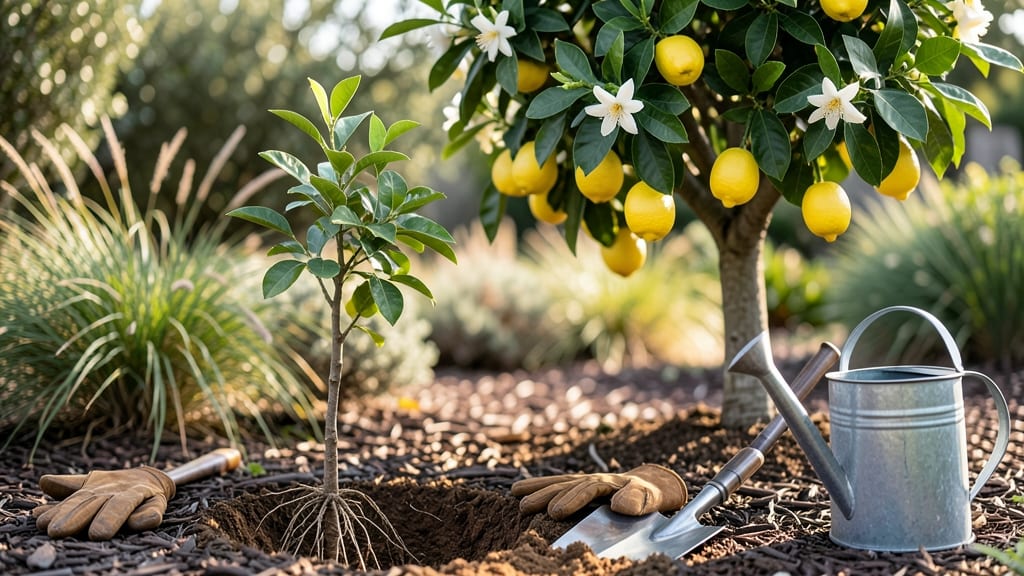
Timing is everything when it comes to planting a 🍊 citrus tree in Phoenix—get it wrong, and your tree could struggle in the desert heat. The key to success lies in understanding Phoenix’s unique climate, where frost isn’t the main concern but heat shock is.
Most gardeners in USDA Zone 9b know the winter months are ideal, but why exactly? Planting between November and February gives your citrus tree the best chance to establish roots before the scorching summer arrives. This window avoids the extreme temperatures that can stress young trees.
Whether you're planting in the ground or a container, the right timing makes all the difference. I’ll break down the best months, soil prep tips, and how to protect your tree from Phoenix’s intense heat—so you can enjoy fresh citrus year-round without the guesswork.
Ready to give your citrus tree the perfect start? Let’s dive into the heat-zone safeguards that’ll keep your tree thriving in Arizona’s brutal climate.
Best planting months for citrus trees in Phoenix’s heat zone
Phoenix’s USDA Zone 9b climate offers a narrow but critical window for planting citrus trees—November through February. This period balances cooler temperatures (60–75°F) with minimal frost risk (Phoenix averages zero frost days annually), allowing roots to establish before summer’s brutal heat arrives.
Planting outside this window risks transplant shock or stunted growth due to extreme temperatures.
Citrus trees despise summer heat stress, which can scorch leaves and halt root development. The monsoon season (July–September) brings intense humidity and downpours, creating ideal conditions for fungal diseases like citrus greening.
By planting in winter, you avoid these pitfalls while giving your tree a head start on spring growth.
Here’s the optimal planting timeline for Phoenix’s climate, broken down by month:
| Month | Temperature Range (°F) | Risk Level | Key Considerations |
|---|---|---|---|
| November | 50–70°F | Low | Best time! Cooler temps + minimal heat stress. |
| December | 45–65°F | Low | Ideal for container planting; protect from Santa Ana winds. |
| January | 50–70°F | Low | Peak root growth; avoid planting if ground is waterlogged. |
| February | 60–80°F | Moderate | Last chance before summer heat; water deeply after planting. |
| March–October | 80–110°F+ | High | Avoid planting; extreme heat causes transplant shock. |
If you must plant outside this window, container growing is your best bet. Potted citrus can be moved to shaded areas during summer or placed in microclimates like courtyard gardens where temperatures are slightly cooler. However, even container-grown trees struggle in 100°F+ heat, so winter planting remains ideal.
Pro tip: Phoenix’s urban heat islands can raise temperatures by 5–10°F compared to desert outskirts. If you’re in a city area, aim for November planting to give your tree extra time to acclimate before summer hits. For desert outskirts, December–January offers the safest window.
Once planted, focus on deep watering (15–20 gallons per tree) and mulching to retain moisture. Young citrus trees are particularly vulnerable to root rot in Phoenix’s heavy clay soils, so amend the soil with compost or sand to improve drainage before planting.
Remember: Citrus trees in Phoenix can live for decades if planted correctly. Choosing the right month isn’t just about immediate survival—it’s about setting your tree up for year-round fruit production and minimal stress.
With the right timing, your citrus will reward you with harvests from late winter to early fall.
🍊
How to avoid heat shock: pre- and post-planting care
Phoenix’s 110°F+ summers can fry young citrus trees if planted at the wrong time. Even with perfect timing, heat shock occurs when roots can’t absorb water fast enough.
The key? Acclimate your tree gradually and prepare the soil months in advance to ensure survival during Arizona’s brutal transition from winter to summer.
Start by amending your soil 4-6 weeks before planting. Citrus trees demand well-draining, slightly acidic soil (pH 6.0-7.0)—Phoenix’s alkaline clay won’t cut it. Mix in 50% native soil, 30% compost, and 20% perlite or coarse sand to mimic their Mediterranean roots.
Test your pH with a citrus-specific kit to avoid nutrient lockout.
Here’s where most gardeners fail: watering too much after planting. Overwatering suffocates roots in heavy soil, while underwatering causes stress. Deep-water every 3-5 days for the first month, then taper to every 7-10 days once established.
Use a soaker hose to deliver water 6 inches deep—surface watering wastes resources and attracts pests.
⚠️ Heat Shock Red Flags
Yellowing leaves within 2 weeks? Your tree is struggling. Wilted foliage by noon? It’s already overheating. Act fast: Move potted trees to partial shade for 1-2 weeks, then reintroduce sun gradually. For in-ground trees, mulch heavily (3-4 inches of wood chips) to retain moisture.
Shade cloth is your best friend during Phoenix’s April-May heat ramp-up. Use 30-50% shade cloth for the first 2-3 weeks post-planting, then remove it slowly over 7-10 days. This mimics natural sun exposure and prevents sunburn on leaves (visible as crispy, brown patches). Pro tip: Prune lower branches to improve airflow—citrus trees hate humidity trapped in dense foliage.
Don’t forget root stimulants! Mix mycorrhizal fungi (like MycoApply) into the planting hole to boost root growth. These beneficial microbes help citrus trees absorb water 3x faster in dry soil.
Apply a balanced fertilizer (6-6-6) 4-6 weeks after planting, but half the recommended dose—young trees can’t handle full strength.
Finally, monitor your tree’s microclimate. Urban Phoenix yards near pavement or buildings can be 10°F hotter than rural areas. If your tree is in a heat island, consider container planting with self-watering pots and white-painted containers to reflect sunlight.
With these steps, your citrus will survive the transition and thrive year-round.