
Plants
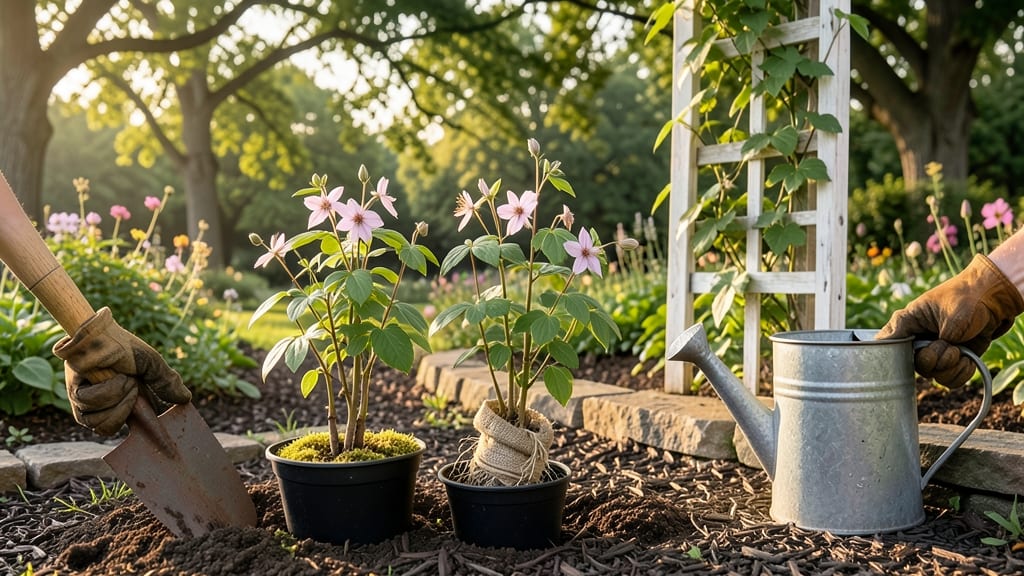
Timing your clematis planting in Michigan can mean the difference between a thriving 🌸 clematis vine and a plant that struggles to survive the state’s unpredictable frost. With USDA zones 5b-6b and frost dates that shift yearly, getting the window right is everything.
Most gardeners swear by early spring planting after the last frost—typically mid-April—but fall is also a smart move if you plant 4-6 weeks before the first frost hits. The key is avoiding Michigan’s notorious late frosts, which can damage tender roots before they establish.
Whether you’re planting bare-root clematis or container-grown varieties, soil temperature and moisture play a bigger role than you might think. Too early, and your plant could freeze; too late, and it won’t have enough time to root before winter sets in.
I’ll break down the exact timing for your zone, plus pro tips to prep your soil, choose the right location, and support your vine for years of stunning blooms. Let’s get started.
Michigan’s ideal clematis planting window: Zone 5 vs. Zone 6 timing
Michigan’s USDA zones 5b-6b create a unique challenge for clematis growers—late spring frosts and early fall freezes demand precise timing. Unlike warmer climates, Michigan’s short growing season (only ~160 frost-free days) means you have just two optimal windows to plant: early spring or early fall.
Get it wrong, and your vines may struggle or even die back before producing those dreamy blooms.
For Zone 5 (northern Michigan), the last frost date typically falls between April 15–May 1, while Zone 6 (southern Michigan) sees frost depart by April 1–April 15.
These dates aren’t set in stone—check your local frost calendar (like the Michigan State University Extension maps) for your exact county. Planting too early risks frost damage to tender new roots, while waiting too late may stunt growth before winter.
Now, let’s break down the exact timing for both zones, including soil temperature thresholds and how to adjust for bare-root vs. container-grown clematis. The key? Plant when the soil warms to 50°F (10°C)—this ensures roots establish before summer heat hits.
Here’s the side-by-side comparison of ideal planting windows for Michigan’s zones, including critical adjustments for early/late springs and container vs. ground planting:
| Factor | Zone 5 (Northern Michigan) | Zone 6 (Southern Michigan) |
|---|---|---|
| Spring Planting Window | Mid-April to early May (after last frost) | Late March to mid-April (after last frost) |
| Soil Temperature Threshold | 50°F (10°C) minimum | 50°F (10°C) minimum |
| Fall Planting Window | Early September to mid-October (4–6 weeks before first frost) | Late August to early October (4–6 weeks before first frost) |
| Bare-Root Clematis Timing | Plant immediately upon arrival (soaked roots) | Plant immediately upon arrival (soaked roots) |
| Container-Grown Clematis | Can plant 2 weeks earlier than bare-root | Can plant 2 weeks earlier than bare-root |
| Adjustment for Early Spring | Wait until soil reaches 50°F; use row covers | Plant as soon as soil thaws; mulch heavily |
| Adjustment for Late Spring | Use 1-gallon containers to delay planting until May | Extend season with cold frames or black plastic mulch |
For Zone 5 gardeners, the fall planting window (early September to mid-October) is often more forgiving because the soil stays warm longer, giving roots time to establish before winter. However, avoid planting in late October—the ground may freeze too soon, leaving roots vulnerable.
In Zone 6, you can push fall planting slightly later (up to early October), but monitor weather forecasts closely.
Pro tip: If you’re container-growing clematis, you can plant 2 weeks earlier than bare-root varieties because the roots are already established. This flexibility is a game-changer for Michigan’s unpredictable springs. Just ensure your containers have drainage holes and use a lightweight potting mix to prevent waterlogging.
Avoid the temptation to plant in February or early March—even if the ground is workable, the soil temperature is usually too cold for root growth.
Clematis roots need consistent warmth to thrive, and planting too early often leads to stunted growth or frost-heave damage when the ground freezes and thaws repeatedly.
Finally, if you’re in Zone 5 and face a late spring, consider starting your clematis in 1-gallon containers indoors in late winter. This buys you extra time to plant outdoors once the soil warms. Just remember: harden off your container-grown vines for 7–10 days before transplanting to avoid shock.
Timing your clematis planting correctly in Michigan isn’t just about the calendar—it’s about soil temperature, frost risk, and root establishment. Master these factors, and you’ll be rewarded with vibrant blooms for years to come. 🌸
5 Critical factors that determine your clematis planting success in Michigan
Planting clematis in Michigan isn’t just about timing—it’s also about creating the perfect growing conditions from day one. Even with the right planting window, your clematis will struggle if you ignore these five critical factors.
Michigan’s clay-heavy soils, variable moisture levels, and intense sunlight demand special attention. Let’s dive into what truly matters for your vines’ survival and growth.
First, soil pH is non-negotiable. Clematis thrives in slightly acidic to neutral soil (pH 6.0–6.5). Michigan’s native soils often lean alkaline (pH 7.0+), which can lock out essential nutrients like phosphorus and iron.
Test your soil before planting—if it’s too alkaline, amend it with sulfur or peat moss to lower the pH. A simple $20 soil test kit from your local garden center will save you from years of poor growth.
Next, moisture control is where many Michigan gardeners go wrong. Clematis needs consistent moisture but hates soggy roots. Michigan’s clay soils drain poorly, leading to root rot if not amended. Mix compost or sand into your planting hole to improve drainage.
I recommend a 50/50 blend of native soil and compost—this keeps moisture levels ideal while preventing waterlogging. Mulch with 3–4 inches of wood chips to retain moisture and regulate soil temperature.
Here are the five non-negotiable factors for clematis success in Michigan, ranked by priority:
Let’s talk sunlight—this is where many gardeners compromise. Clematis needs at least 6 hours of direct sun daily, but Michigan’s hot summers can scorch leaves if planted in full afternoon sun.
For Zone 6 (southern Michigan), choose a south-facing location with afternoon shade from trees or structures. In Zone 5 (northern Michigan), full sun is fine, but avoid west-facing walls that bake vines in July.
I’ve seen clematis thrive near patio umbrellas or arbors with shade cloth—just ensure those blooms get morning light.
Don’t overlook the root zone depth. Many new gardeners bury the crown too deep (below soil level), which causes rot, or plant it too shallow, leading to frost damage.
The crown should sit 2–4 inches below soil—this protects it from Michigan’s freeze-thaw cycles while keeping roots cool. After planting, install a trellis or obelisk immediately—clematis vines need support to climb, and waiting until they’re established can stress the plant.
I use powder-coated metal trellises because they resist rust in Michigan’s humid summers.
Finally, mulching is your secret weapon against Michigan’s extreme temperature swings. Apply 3–4 inches of wood chips (not dyed mulch—it’s toxic to plants) around the base of your clematis. This keeps roots consistently moist, protects against frost heave in winter, and suppresses weeds.
Replenish mulch annually in early spring—just keep it 2 inches away from the vine base to prevent rot. With these five factors locked in, your clematis will establish strong roots and reward you with vibrant blooms for decades. 🌿