
Plants
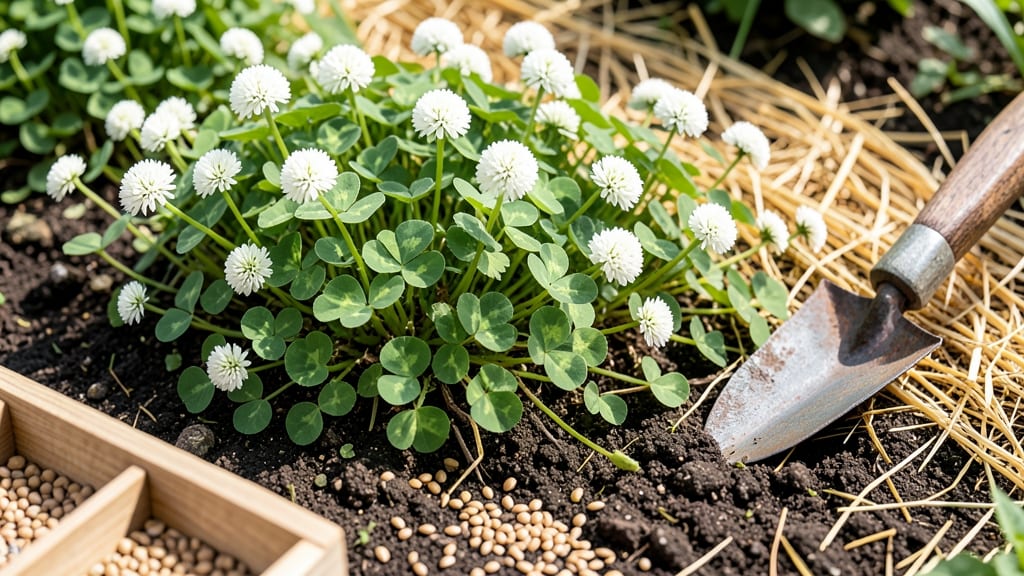
Timing your clover planting in spring could make or break your garden’s success—get it wrong, and you’re staring at a patchy lawn or wasted seeds. The exact window matters, especially in zones like 6a, where early frost still lingers.
I’ve tested the ideal moments for planting 🌱 clover—and it’s not just about throwing seeds in the ground when it feels "springy." Soil temperature, frost dates, and even your clover variety (Dutch white vs. red) play a role.
Miss the mark, and you’ll either lose your investment to cold snaps or struggle with slow growth.
Here’s the game-changer: Planting after the last frost when soil hits 50°F—that’s your golden ticket to thick, lush clover by summer. But what if you’re late?
I’ll show you how to adjust, from cover crops to companion planting hacks, so you still get that nitrogen-rich, pollinator-friendly lawn you’re dreaming of.
Skip the guesswork—this guide breaks down zone-specific weeks, soil prep secrets, and care tips to turn your clover patch into the envy of the neighborhood. Let’s get those seeds in the ground the right way.
Best spring planting weeks for clover by USDA hardiness zone
Planting clover at the right time in spring ensures strong germination and rapid establishment. The best window depends on your USDA hardiness zone, with cool-season varieties like Dutch white clover thriving in early spring, while warm-season types like crimson clover prefer slightly later planting.
Aim for soil temperatures above 50°F (10°C) and consistent rainfall to avoid drought stress.
For northern zones (3-5), start planting as early as late March to early April when frost risks subside. Southern zones (6-10) can plant through May, but avoid extreme heat. Micro-climates matter too—valleys stay cooler than hilltops, delaying planting by 1-2 weeks in those areas.
Here’s your zone-by-zone planting calendar to pinpoint the optimal 3-5 week window for your region:
For example, if you’re in Zone 6a (like much of the Midwest), target late April for Dutch white clover. Warmer zones like Zone 9 can extend planting to early June, but prioritize warm-season varieties like Ball clover to avoid heat stress.
Use a soil thermometer to verify temperatures—clover roots struggle below 50°F (10°C). If your soil is too cold, mulch with straw to warm it faster or wait 1-2 weeks. Overwatering cold soil can drown seeds, so light, frequent watering is key until sprouts appear.
Northern gardeners should also account for late-spring frosts. If your area has a history of May frosts, plant cool-season clover by mid-April to give it time to establish before summer heat arrives. Southern gardeners, meanwhile, should avoid planting after June 1 to prevent bolting (premature flowering).
Once you’ve nailed your planting window, focus on soil prep. Clover thrives in slightly acidic soil (pH 6.0–7.0) and benefits from compost or aged manure mixed into the top 6 inches. Avoid fresh manure, which can burn seeds with high ammonia levels.
After sowing, keep seeds moist but not soggy—aim for 1 inch of water per week. Germination takes 7–21 days, depending on variety and temperature. Thin seedlings to 6–12 inches apart once they’re 2–3 inches tall to reduce competition.
🌱 For pollinator-friendly lawns, mix clover with wildflowers like clover and violet. This combo attracts bees while improving soil health naturally.
Best spring planting weeks for clover by USDA hardiness zone
Getting your clover seeds in the ground at the right time is everything—especially in spring when temperatures fluctuate wildly. The best window depends on your USDA hardiness zone, with cooler northern zones needing earlier planting than warmer southern regions.
For zones 3-5, aim for early April (just after the last frost), while zones 6-8 can wait until mid-April to early May. Southern zones 9-10 have flexibility until late May, but avoid extreme heat.
Soil temperature is your golden rule: clover thrives when soil hits 50°F (10°C). Use a soil thermometer to confirm—planting too early in cold soil can stunt germination.
In northern climates, this often aligns with late March to early April, while southern gardeners can push planting to May without stress. Always check your local frost dates to avoid frost damage to tender seedlings.
| USDA Zone | Ideal Planting Window | Soil Temp Requirement | Clover Variety |
|---|---|---|---|
| 3-5 | Late March - Early April | 50-55°F (10-13°C) | Dutch White, Alsike |
| 6-8 | Mid-April - Early May | 50-60°F (10-16°C) | Red, Crimson |
| 9-10 | Late April - Late May | 55-65°F (13-18°C) | White Dutch, Microclover |
For cool-season clovers like Dutch white, timing is tighter—plant too late, and you risk summer heat stress. In contrast, warm-season varieties (like red clover) can handle slightly later starts but still need to avoid midday heat.
If you’re in a transition zone (e.g., zone 7b), err on the earlier side—late April—to give seedlings a head start before summer arrives.
Pro tip: If your spring is unpredictable (like zone 6 with late frosts), use row covers to protect seedlings. For southern zones, plant in partial shade during peak heat to prevent wilting. Always test your soil’s pH (6.0-7.0) before planting—clover struggles in acidic or alkaline conditions.
Missed the ideal window? Don’t panic. Late May plantings can still work in zones 7-10 if you use shade cloth and keep soil moist. Just avoid planting after June 1 in most regions—clover needs 6-8 weeks to establish before summer’s intensity hits.
For northern zones, a fall planting (late August) is your backup plan.
Remember: clover’s superpower is nitrogen fixation, but it only works if you plant it right. Follow these zone guidelines, and you’ll have a lush, pollinator-friendly lawn by summer—no guesswork required. 🌱