
Plants
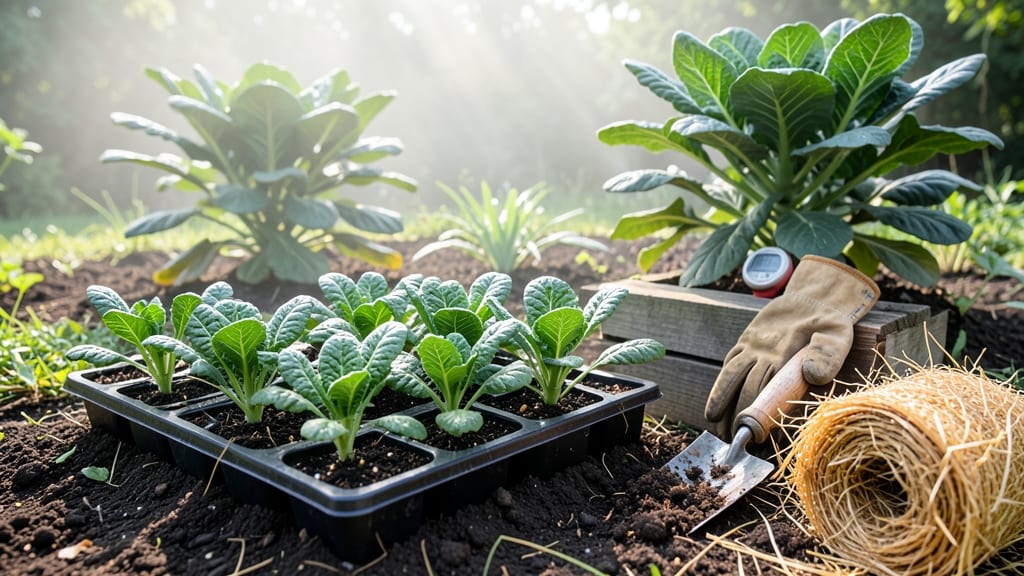
Knowing when to plant collard greens in Alabama can mean the difference between a thriving harvest and a bitter disappointment.
This leafy green 🥬 loves the Southern climate but plays by its own rules—plant too early, and frost zaps your efforts; too late, and summer heat sends them bolting faster than a squirrel in a nut tree.
Alabama’s 7a-8b zones give you two prime chances: early spring (March-April) for a fall harvest or late summer (August-September) to beat the worst heat.
But timing isn’t just about months—it’s about avoiding those tricky first frost dates (usually around November 15) and giving your greens the sweet spot between warmth and cool weather.
I’ve grown collards here for years, and the key is working with Alabama’s long season—not against it. Whether you’re a first-timer or a seasoned gardener, these planting windows will help you dodge common mistakes and keep your collards producing tender leaves well into winter.
Ready to turn your garden into a collard powerhouse? Let’s break down the exact months, heat-tolerant varieties, and pro tips to keep your harvest going strong—no matter what Alabama’s weather throws your way.
Optimal planting windows for Alabama collard greens by region
Alabama’s diverse climate—from the cooler Appalachian foothills to the hotter Gulf Coast—means collard greens thrive in different windows. North Alabama’s last frost dates (mid-March) allow earlier spring plantings, while South Alabama’s longer heat waves demand late-summer starts.
Central Alabama sits in the middle, offering flexibility for both spring and fall harvests.
For fall/winter harvests, aim to plant 4-6 weeks before your region’s first frost. In North Alabama, this means late July to early August for a November-December harvest. South Alabama gardeners can push planting to early September for a January-February harvest, avoiding summer heat stress.
Spring plantings should start after your last frost date. North Alabama’s March 15 average last frost date means early April plantings, while South Alabama’s March 1 date allows late February starts. Central Alabama falls in between, with mid-March as the ideal window.
Here’s how to align your planting with Alabama’s three key regions:
| Region | Last Frost Date | Spring Planting Window | Fall Planting Window | Harvest Window |
|---|---|---|---|---|
| North Alabama | Mid-March | Early April | Late July–Early August | November–December |
| Central Alabama | Mid-March | Mid-March–Early April | Late July–Mid-August | October–December |
| South Alabama | Early March | Late February–Early March | Early–Mid-September | January–February |
If you’re aiming for a year-round supply, stagger plantings every 3-4 weeks from late summer through early fall. This ensures a continuous harvest as older plants mature while younger ones grow.
For example, plant a batch in August, another in September, and a final one in October for harvests spanning November through March.
Alabama’s USDA Zones 7a-8b mean collards can handle light frosts (down to 20°F), but prolonged cold snaps can damage leaves. Use row covers or mulch to protect plants during unexpected cold snaps in January-February. This extends harvests well into early spring.
One common mistake Alabama gardeners make is planting too early in spring, only to see tender seedlings damaged by late frosts. Wait until soil temperatures reach 50°F and nighttime temps stay above 40°F consistently. Use a soil thermometer to monitor conditions.
For summer plantings, focus on heat-tolerant varieties like ‘Georgia Southern’ or ‘Champion’. These can handle Alabama’s 90°F+ days better than standard collards. Plant in deep, well-draining soil and provide daily watering to prevent bolting from heat stress.
Remember: Collards are cool-season crops, but Alabama’s climate lets you grow them almost year-round with proper timing. Whether you’re in cool North Alabama or hot South Alabama, aligning plantings with frost dates and heat thresholds is key to a bountiful harvest.
Optimal planting windows for Alabama collard greens by region
Alabama’s diverse climate means your collard greens planting window varies dramatically from North Alabama’s cooler zones to South Alabama’s heat. In USDA Zones 7a-8b, timing directly impacts your harvest’s success—whether you’re aiming for a fall/winter bounty or a summer escape from bolting.
For North Alabama (Zones 7a), where last frost dates hover around March 15, focus on early spring (March) and late summer (August) plantings.
This region’s shorter growing season demands precision: plant too early, and late frosts in November will damage tender leaves; too late, and summer heat sends collards bolting prematurely.
In Central Alabama (Zone 7b), your window expands slightly. Start seeds indoors in late February for March transplants, or direct-sow in August-September to avoid summer’s peak heat. The key is beating the first frost (Nov 15) while sidestepping 90°F+ temperatures, which stress collards.
South Alabama (Zone 8b) gardeners enjoy the longest season. Plant year-round, but prioritize February-March for spring harvests and August-September for fall/winter crops. Here, heat tolerance becomes critical—choose varieties that thrive in 85-90°F without bolting.
| Region | Best Planting Window | Avoid Planting | Harvest Window |
|---|---|---|---|
| North Alabama (Zone 7a) | March 1–15, August 15–31 | April–June (heat risk), Oct 1–Nov 15 (frost) | October–February |
| Central Alabama (Zone 7b) | February 20–March 15, August 1–31 | May–July (extreme heat), Nov 1–15 (frost) | September–March |
| South Alabama (Zone 8b) | February 1–March 15, August 15–September 15 | June–August (peak heat), Dec 1–Jan 31 (minimal growth) | October–April |
Pro tip: Use staggered plantings every 2-3 weeks in your region’s ideal window. This ensures a continuous harvest from fall through winter, even as temperatures dip. For example, in Central Alabama, start one batch in late February and another in mid-August—this covers both seasons seamlessly.
Remember, collard greens are cool-season crops, but they’re tougher than lettuce. They’ll survive light frosts (down to 20°F) and even brief freezes, making them Alabama’s ultimate winter garden staple. Just don’t let them bolt in summer’s heat!
For extra protection, pair your planting schedule with mulching (straw or leaves) to insulate roots and row covers for late-season frosts. These tricks let you push harvests 2-3 weeks later than the average frost date.