
Plants
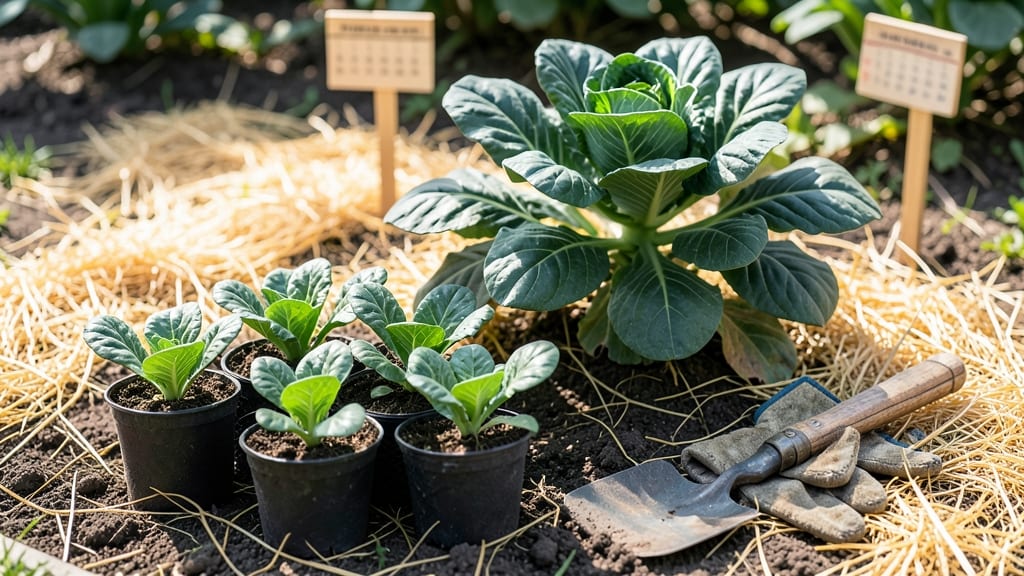
Timing your collard greens 🥬 planting in North Carolina can mean the difference between a bumper crop and bitter-tasting leaves—because these cold-hardy greens need just the right window to thrive.
With USDA zones ranging from 6b to 8a, North Carolina offers two prime planting opportunities: early spring and late summer. But getting the timing wrong—planting too early or too late—can leave you with stunted growth or bolting before harvest.
The key is understanding your local frost dates and heat tolerance thresholds.
Whether you're a first-time gardener or a seasoned green thumb, I'll walk you through the exact frost-free timeline for both spring and fall planting. You'll discover how to maximize your harvest, avoid common mistakes, and even adjust for microclimates like the Piedmont or coastal regions.
Ready to grow collards that taste sweeter and last longer? Let's dive into the perfect planting schedule tailored for your North Carolina zone.
North Carolina planting zones & frost dates for collard greens success
North Carolina’s diverse climate—from the coastal plains to the mountain regions—means collard greens thrive in different zones. The key to success? Planting within your USDA zone and avoiding late frosts or summer bolting.
Let’s break down the exact timing for each zone to ensure your collards grow sweet and productive.
Most of NC falls within USDA zones 7a-8a, with zone 7b being the most common. The average last frost date hovers around March 15 in the Piedmont, but coastal areas can see frost-free conditions as early as February 20.
Meanwhile, mountain regions (like Asheville) may experience frost until April 1.
For fall planting, aim to sow seeds 6-8 weeks before your first frost. In most of NC, this means August 15-September 15. Fall-planted collards actually sweeten with frost, making them perfect for winter harvests.
Just avoid planting too late—seeds need 60-90 days to mature before cold sets in.
| Zone | Last Frost Date | Spring Planting Window | Fall Planting Window | Heat Tolerance |
|---|---|---|---|---|
| 7a (Mountains) | April 1 | April 15-May 1 | August 1-September 1 | Moderate (bolts in 85°F+) |
| 7b (Piedmont) | March 15 | March 15-April 15 | August 15-September 15 | Moderate (bolts in 85°F+) |
| 8a (Coastal) | February 20 | February 28-March 31 | August 30-September 30 | High (handles humidity well) |
*Bolting = Premature flowering due to heat stress
If you’re in zone 7a (like the Blue Ridge Mountains), wait until April 15 to plant—earlier sowings risk frost damage. Coastal gardeners in zone 8a can start as early as February 28, but avoid planting after April 15 to prevent bolting.
Heat waves above 85°F trigger flowering, ruining your harvest.
Pro tip: Use black plastic mulch in spring to warm soil faster, or row covers in fall to extend your growing season. These tricks help you push planting dates by 1-2 weeks in either direction. Just monitor your local microclimate—valleys stay colder longer than hillsides!
For continuous harvests, stagger plantings every 2 weeks in spring and fall. This ensures you always have mature leaves ready to pick, even if one batch bolts or gets hit by unexpected frost. Start with 4-6 plants to test your zone’s timing before scaling up.
Remember: Collards love cool weather but hate soggy soil. If your area gets heavy spring rains (like eastern NC), raise beds or use containers to improve drainage. Poor drainage leads to leaf rot and stunted growth—definitely a harvest killer!
Finally, check your local extension office for hyper-local frost data. While these zones are a great guide, microclimates (like urban heat islands or sheltered valleys) can shift frost dates by 1-3 weeks.
A quick call to the NC State Extension ensures you’re planting at the perfect time for your specific backyard.
Best planting methods for fall vs. spring collard greens in NC
Choosing between spring and fall planting for collard greens in North Carolina depends on your microclimate and harvest goals. Spring plantings give you summer greens, while fall plantings deliver sweeter, frost-hardened leaves for winter tables.
Let’s compare the two methods to help you decide which works best for your garden.
For spring planting, start seeds indoors 4-6 weeks before your last frost date (around February 15 in zone 8a or March 1 in zone 7b). Transplant seedlings outdoors once soil reaches 50°F—typically mid-March to early April.
Direct sowing outdoors is also an option if you’re patient; just wait until soil warms to 60°F (usually late March to April).
Spring Planting: Pros & Cons
- Longer growing season
- Higher yield potential
- Less pest pressure early
- Risk of bolting in heat
- Requires succession planting
- Pests (like aphids) peak in summer
Fall Planting: Pros & Cons
- Sweeter after frost
- Fewer pests in fall
- Longer harvest window
- Shorter daylight hours
- Risk of early frost damage
- Slower growth rate
If you’re aiming for a year-round supply, try succession planting—sow a new batch every 2 weeks in spring and again in late summer for fall. This ensures you always have mature leaves ready to harvest.
For example, plant one batch on March 15, another on March 30, and a final one on April 15 to stagger your harvest through summer and fall.
For direct sowing, scatter seeds ½ inch deep and 1 inch apart7-10 days before moving them outdoors. Use drip irrigation to keep soil moist—collard greens hate drying out, especially during their first few weeks.
One pro tip for NC gardeners: Use black plastic mulch in spring to warm soil faster and straw mulch in fall to insulate roots. These simple tricks can extend your planting windows by 1-2 weeks in either direction.
Just remember: collards thrive in cool weather, so avoid planting when soil temps exceed 80°F—that’s when they bolt!
Finally, consider container gardening if space is limited. Collards grow well in 5-gallon pots with well-draining soil. This method also gives you control over soil moisture and temperature, making it ideal for urban gardens or microclimates with unpredictable frost patterns.