
Plants
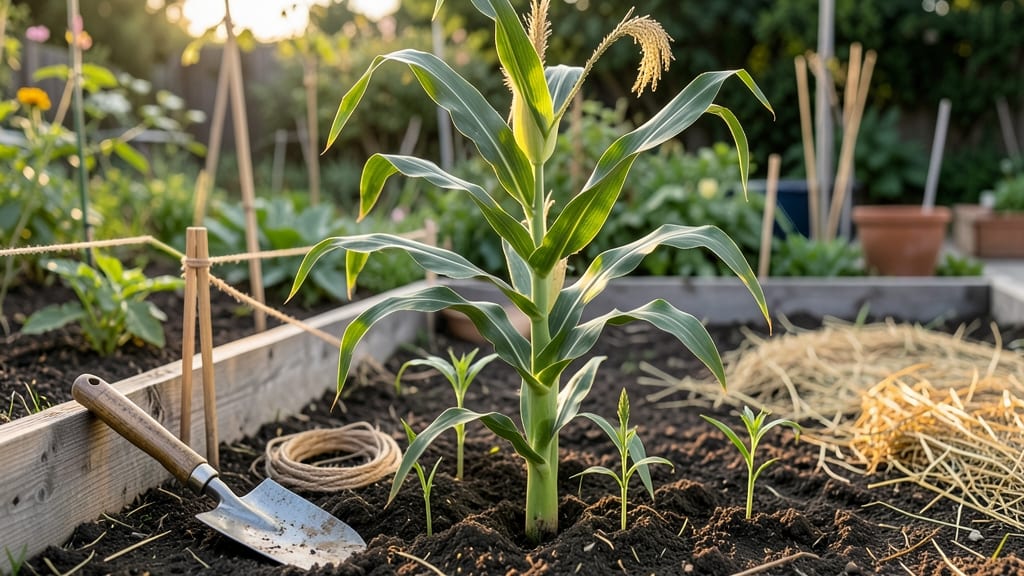
If you’ve ever dreamed of planting corn in South Florida but dreaded hurricane season wrecking your crop, you’re not alone. The key to success lies in planting at the perfect time—when your corn reaches maturity before storms hit, ensuring sweet, plump ears without the risk of damage.
South Florida’s warm climate means corn can grow year-round, but timing is everything. Plant too early, and you’ll face heat stress; too late, and hurricanes could ruin your harvest. I’ll break down the science-backed window to maximize your yield while dodging Mother Nature’s worst.
Whether you’re a beginner or a seasoned gardener, this guide covers everything from soil prep to storm-proofing your crop. You’ll learn which fast-maturing varieties thrive in Florida’s heat and how to adjust your schedule to avoid peak hurricane risks.
Ready to grow corn that’s both delicious and resilient? Let’s dive into the exact dates and strategies that work in USDA Zones 10a-11, so you can enjoy fresh ears from spring through fall without the worry.
South Florida corn planting calendar: exact dates to avoid hurricane season
South Florida’s hurricane season (June–November) makes timing everything when planting corn. The key is to plant early enough for harvests before storms hit—but late enough to avoid heat stress and drought.
For Miami, Fort Lauderdale, and Naples, the optimal window is March 15–April 30, ensuring maturity by September 1, just before peak storm season.
Corn thrives in Zone 10a–11, where frost is nonexistent, but heat tolerance becomes critical. Temperatures above 95°F can stunt growth, while consistent humidity increases fungal risks. Planting in spring balances these factors, letting you harvest before August’s storm surge.
Here’s the critical timeline for South Florida corn growers:
For container growing, start seeds indoors in February and transplant by March 1. Use 5-gallon pots with well-draining soil to prevent root rot—a common issue in South Florida’s humid climate. Containers also let you move plants to shadier spots during heatwaves.
If you miss the spring window, fall planting (September–October) is possible with fast-maturing varieties (60–75 days). However, harvests must occur by December to avoid storm damage. Use row covers to protect young plants from hurricane winds if planting late.
Pro tip: Monitor the National Hurricane Center starting June 1. If a storm is forecast, harvest immediately—corn ears can survive light winds but will shatter in heavy rain. Mulch with straw to keep ears off wet soil and reduce fungal diseases like corn smut.
Soil temperature is your biggest ally. Use a soil thermometer—corn needs 60°F+ to germinate. In South Florida, March–April soils average 75–85°F, perfect for rapid sprouting. If soil is cooler (below 65°F), delay planting until mid-April.
For organic gardeners, amend soil with composted manure (high in nitrogen) and bone meal (for phosphorus). Avoid fresh manure—it can burn roots in Florida’s hot, sandy soils. A 3-inch mulch layer retains moisture and keeps roots cool during summer heatwaves.
Remember: Corn is wind-pollinated, so plant in blocks (not rows) for better pollination. A 5x5-foot patch ensures cross-pollination, even in urban gardens where wind flow is limited. If you’re growing heirloom varieties, hand-pollinate by transferring tassel pollen with a paintbrush for sweeter kernels.
🌽
How to extend corn’s growing season in South Florida’s heat & humidity
South Florida’s 90°F+ temperatures and high humidity can stress corn plants, causing bolting (premature flowering) or ear rot. But with the right strategies, you can stretch the growing season and protect your crop.
The key? Shade management, soil moisture control, and fungal prevention—all tailored to Florida’s tropical climate.
First, choose the right shade cloth—30-50% shade reduces heat stress while still allowing 6+ hours of sunlight. Install it during the hottest afternoon hours (12 PM–4 PM) to avoid stunting growth.
Pair this with drip irrigation set to water early morning, keeping soil consistently moist but not soggy. Overwatering in humidity is a recipe for corn smut or leaf blight.
🌱
5 Proven Techniques to Extend Corn’s Season
- 1. Use shade cloth (30-50%) during peak heat (12 PM–4 PM) to prevent bolting.
- 2. Mulch heavily with straw or pine bark to retain moisture and cool roots.
- 3. Fertilize with potassium (like 10-10-20) to boost heat tolerance.
- 4. Space plants wider (18" apart) for better airflow and fungal prevention.
- 5. Harvest early-maturing varieties (60-75 days) before humidity spikes in late summer.
Don’t overlook soil health—amend beds with compost and aged manure before planting to improve drainage and nutrient uptake. In Zone 10-11, corn can grow year-round, but avoid planting in December–February when days are shorter and humidity drops slightly.
Instead, focus on spring (March–April) and early summer (May–June) for the best balance of heat and daylight.
For pollination success, hand-pollinate if humidity exceeds 80% for days—gently transfer pollen from tassels to silks with a paintbrush. This ensures even ear development when natural pollinators like bees are sluggish. Monitor for corn earworm too; use row covers at night if infestations are common in your area.
Finally, harvest strategically. In South Florida, late summer plantings (July–August) can yield corn by September–October, just before hurricane season ramps up. If storms threaten, pick ears early (slightly underripe) and store them in the fridge for 3–5 days—they’ll sweeten as they ripen.
With these adjustments, you can grow corn year-round while minimizing risks. The secret? Adapt to Florida’s extremes instead of fighting them. 🌾