
Plants
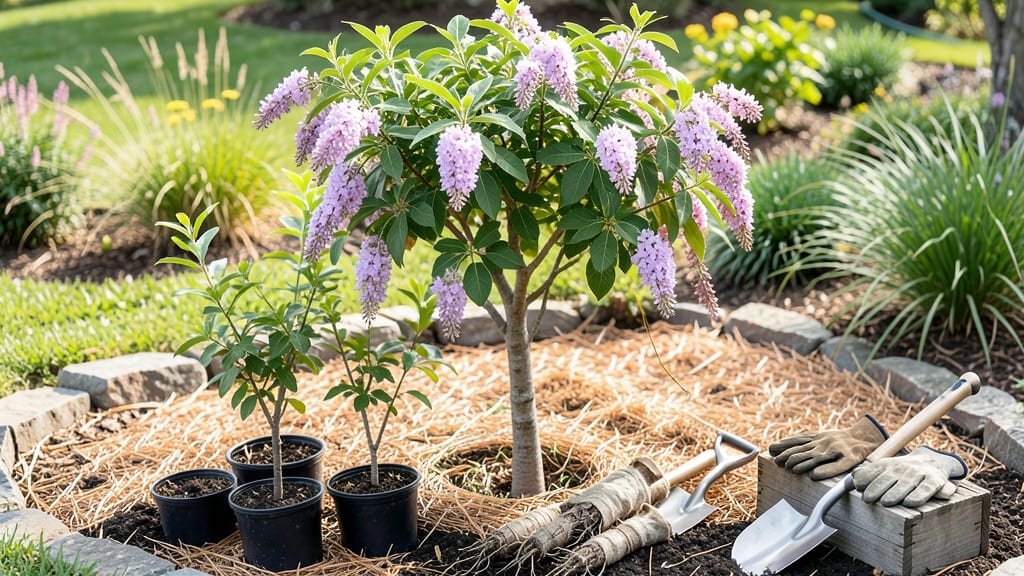
Planting your 🌸 crape myrtle at the wrong time in Oklahoma can mean the difference between a thriving, show-stopping shrub and one that struggles to survive the brutal summers.
The key to success? Getting those roots established deep and strong before the heat kicks in—so you’re not playing catch-up all season.
If you’ve ever watched a crape myrtle wilt under Oklahoma’s 100°F+ afternoons, you know timing matters. The best window to plant is actually a two-month stretch—late winter to early spring—when soil temperatures are just right for root growth.
But there’s a trickier option too, one that works if you’re planting in containers or need a second chance.
I’ll break down the exact months that work best for Oklahoma’s 6b-7b zones, how to prep your soil for maximum root success, and why avoiding late frosts (or planting too late) can turn your new crape myrtle into a sad, stunted mess.
Let’s get those 🌸 blooms thriving from day one.
Whether you’re a first-time gardener or a seasoned Oklahoma landscaper, these insights will help you skip the trial-and-error and plant with confidence—so your crape myrtle can handle the heat like a pro.
Oklahoma’s ideal crape myrtle planting window: months and climate factors
Timing is everything when planting crape myrtles in Oklahoma, where USDA Zones 6b-7b bring intense summer heat and unpredictable spring frosts. The best planting window spans February through April or September through October, aligning with soil temperatures above 55°F—critical for root establishment before Oklahoma’s 100°F+ summers arrive.
For most Oklahoma gardeners, March and early April offer the sweet spot—after the average last frost date (March 15) but before soil temperatures exceed 80°F. This 6-week window gives young roots time to anchor before the scorching heat of May and June.
In western Oklahoma (Zone 7b), where springs arrive earlier, you can push planting to late February.
Fall planting (September-October) works well for container-grown crape myrtles, allowing roots to establish before winter dormancy. However, avoid planting after October 15, as early frosts can stress newly transplanted shrubs. Northern Oklahoma (Zone 6b) gardeners should prioritize spring planting due to longer winters.
Here’s the Oklahoma-specific planting timeline you need to know:
Oklahoma’s microclimates play a huge role. In southern Oklahoma (Zone 7b), where summers arrive earlier, prioritize February-March planting to beat the heat. Meanwhile, northern Oklahoma (Zone 6b) gardeners should wait until mid-April to avoid late spring frosts, which can damage tender new growth.
Another critical factor is soil moisture. Planting during Oklahoma’s dry spells (common in April-May) requires extra irrigation to keep soil consistently moist for the first 4-6 weeks.
Use drip irrigation or soaker hoses to deliver water directly to the root zone without wetting the foliage—this prevents powdery mildew, a common issue in Oklahoma’s humid summers.
For container-grown crape myrtles, fall planting (September-October) is ideal because cooler temperatures reduce transplant shock. However, ensure containers have drainage holes and use well-draining potting mix to prevent root rot—a common problem in Oklahoma’s heavy clay soils when drainage is poor.
Pro tip: If you’re in central Oklahoma (Zone 7a), aim for March 15-April 15 planting. This window gives your crape myrtle 8-10 weeks of moderate temperatures before summer’s 100°F+ heat sets in.
During this time, focus on mulching (2-3 inches of organic mulch) to retain soil moisture and regulate temperature.
Remember, Oklahoma’s heat tolerance in crape myrtles isn’t just about planting time—it’s also about variety selection. Some cultivars, like 'Muskogee' or 'Avalanche', handle Oklahoma’s Zone 7b heat better than others.
We’ll cover the best heat-tolerant varieties in our next section, but for now, stick to these planting windows for the strongest start.
Oklahoma’s ideal crape myrtle planting window: months and climate factors
Timing is everything when planting crape myrtles in Oklahoma. The best months are March and April—just after the last frost—when soil temperatures rise above 55°F. This window gives roots 6-8 weeks to establish before Oklahoma’s brutal summer heat arrives.
Fall planting (late September to October) is also viable if you’re in USDA Zone 7b, where winters are milder. However, avoid planting in late spring (May or later), as young roots struggle to adapt before summer’s intensity.
Oklahoma’s microclimates matter—northern regions (like Oklahoma City) can plant slightly earlier than southern areas (like Tulsa). Check your last frost date (typically March 15) and wait 4-6 weeks before planting.
| Planting Window | Soil Temp | USDA Zone Fit | Heat Risk |
|---|---|---|---|
| Late February–March | 50–55°F | 6b–7a | Low (root establishment) |
| September–October | 60–65°F | 7a–7b | Moderate (fall drought) |
| May or later | 70°F+ | All zones | High (stress risk) |
For container planting, extend your window slightly—containers warm faster, so you can plant 2 weeks earlier in spring or 2 weeks later in fall. Just ensure pots have drainage holes to prevent root rot in Oklahoma’s heavy clay soil.
Pro tip: Mulch heavily after planting to retain moisture and regulate soil temps. Use 2–4 inches of organic mulch (like pine straw) to protect roots during Oklahoma’s 100°F+ summers.
If you miss spring, don’t panic—fall planting works too, but stop by October 15 to avoid winter stress. Just water deeply before the first frost (November 15) to encourage root growth.