
Plants
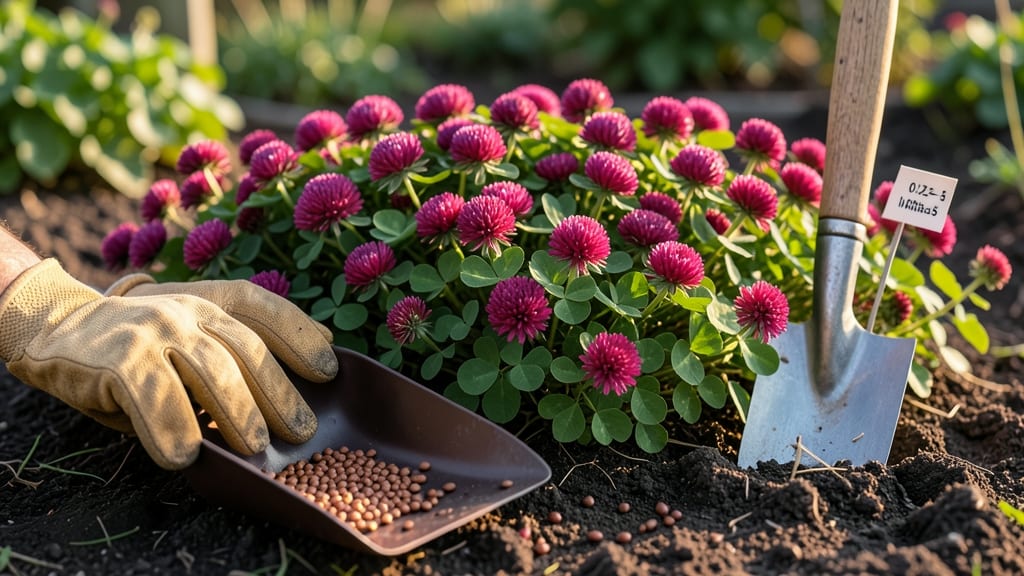
Planting crimson clover 🌸 at the wrong time in Texas could leave you with sparse growth—or worse, a total flop. The best months depend on where you live, with North Texas gardeners having a tighter window than their South Texas counterparts.
If you're in central Texas (Zone 8a), fall planting between September and October gives your clover the perfect head start before winter. Meanwhile, South Texas growers can even plant in December or January thanks to milder winters.
But timing isn’t just about the calendar—soil temperature and frost dates play a surprisingly big role.
I’ve seen firsthand how a fast-growing crimson clover patch can transform your soil in just a few months. The key? Planting when your region’s last frost has passed—or in fall, when cooler temps slow down weeds.
Let’s break down the exact windows for your part of Texas so you can get the most out of this nitrogen-rich powerhouse.
Whether you’re prepping for spring blooms or a winter cover crop, these insights will help you avoid common mistakes. Ready to turn your Texas soil into a thriving ecosystem? Let’s get started.
Optimal planting months for crimson clover in Texas by hardiness zones
Texas spans three distinct hardiness zones—North (7b), Central (8a), and South (9b-10a)—each with unique frost-free windows that dictate when to plant crimson clover for maximum success.
In North Texas, where first frosts arrive by early December, fall planting must occur by late September to allow roots to establish before winter dormancy.
Central Texas gardeners enjoy a longer growing window with last frosts typically around March 1, making February-March the ideal time for spring planting. Meanwhile, South Texas (Zones 9b-10a) can plant year-round, but December-January offers perfect winter establishment before summer heat arrives.
Crimson clover thrives when planted 60-70 days before first frost in cooler zones, ensuring full vegetative growth before winter. For North Texas, this means September 15-October 15 for fall planting, while Central Texas can extend this to October 1-November 15.
Spring planting in Texas typically begins 4-6 weeks before last frost, giving seeds time to germinate before summer heat stress. In North Texas, this translates to February 1-March 15, while Central Texas can start as early as January 15 for early blooms.
🌿 Texas Crimson Clover Planting Windows by Region
| Region | USDA Zone | Fall Planting Window | Spring Planting Window | Key Consideration |
|---|---|---|---|---|
| North Texas | 7b | Sept 15-Oct 15 | Feb 1-Mar 15 | First frost: Dec 1 |
| Central Texas | 8a | Oct 1-Nov 15 | Jan 15-Feb 28 | Last frost: Mar 1 |
| South Texas | 9b-10a | Dec 1-Jan 31 | Year-round (best: Jan-Mar) | No frost risk |
| West Texas | 8a-8b | Sept 1-Oct 15 | Feb 15-Mar 10 | Drought-sensitive |
Microclimates within Texas regions further refine planting timing. For example, hill country areas in Central Texas often experience earlier frosts than coastal regions, requiring planting 2-3 weeks earlier than nearby cities. Similarly, East Texas receives more rainfall, allowing for later fall plantings compared to drier West Texas.
In West Texas, where water is scarce, prioritize fall planting to establish roots before summer drought. The Chihuahuan Desert climate demands soil moisture monitoring, with ideal planting occurring when soil temps stay below 80°F—typically September-October.
For urban gardeners in Texas cities like Dallas or Houston, follow your local USDA zone but adjust for heat islands. Concrete surfaces can raise temperatures by 5-10°F, making spring planting 1-2 weeks later than rural areas to avoid heat stress on young seedlings.
Always check your local frost dates using the Texas A&M AgriLife Extension maps, as microclimates can shift planting windows by 2-4 weeks. For example, Lubbock's last frost is typically March 15, while Austin's is March 1—a critical difference for spring plantings.
Remember: Crimson clover establishes best when soil temperatures are 60-70°F. Use a soil thermometer to verify conditions before planting, especially in North Texas where spring soils can warm rapidly by April.
Optimal planting months for crimson clover in Texas by hardiness zones
Texas spans three distinct hardiness zones (6a-10a), each with unique frost patterns that dictate the best crimson clover planting windows. In North Texas (Zones 7b-8a), like Dallas or Fort Worth, aim for September-October or February-March to avoid frost damage.
Central Texas (Zones 8a-9a) has a longer growing season—plant in late August to October or January-February.
For South Texas (Zones 9b-10a), including Houston and the Rio Grande Valley, winter planting works year-round. Seed in December-January for spring blooms or September for fall growth. Always check local frost-free dates—North Texas averages 180 frost-free days, while South Texas enjoys 300+ days.
| Region | USDA Zone | Best Planting Windows | Avoid Planting |
|---|---|---|---|
| North Texas | 7b-8a | Sep-Oct (fall) or Feb-Mar (spring) | May-August (extreme heat) |
| Central Texas | 8a-9a | Late Aug-Oct or Jan-Feb | June-July (peak heat) |
| South Texas | 9b-10a | Dec-Jan (winter) or Sep (fall) | None (year-round possible) |
In North Texas, plant 6-8 weeks before first frost (typically by October 15) to ensure establishment before winter. Central Texas gardeners should prioritize fall planting—this gives roots time to anchor before summer’s 100°F+ temperatures.
South Texas’s mild winters allow year-round planting, but September is ideal for avoiding summer humidity.
Pro tip: Use a soil thermometer to confirm 60-70°F soil temps before planting. Crimson clover seeds germinate poorly below 55°F. In West Texas, where drought is common, plant after rainfall events to ensure 1-2 inches of moisture in the top 6 inches of soil.
For cover crop rotations, time planting to follow summer crops like corn or sorghum. In Central Texas, plant crimson clover after wheat harvest (June) for a fall cover. In South Texas, double-crop with winter vegetables like lettuce or spinach for year-round productivity.
Always scout your field for weed pressure before planting. Crimson clover competes poorly with Johnson grass or bermuda—apply pre-emergent herbicide 2 weeks before seeding if needed. In East Texas, where humidity is high, choose fungus-resistant varieties like 'Dixie' or 'Tifway'.