
Plants
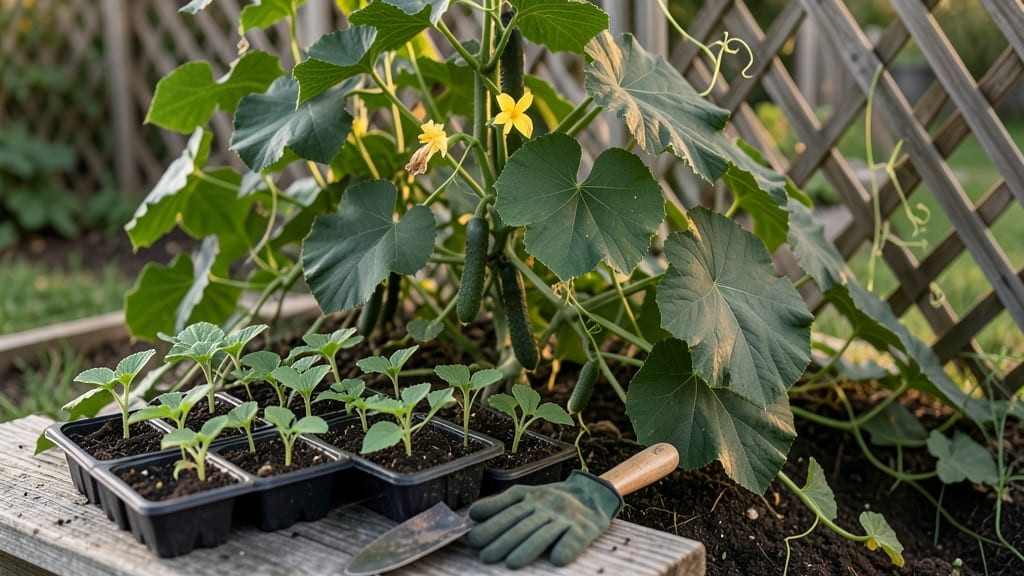
Timing your cucumber planting in Chicago isn't just about waiting for spring—it's about beating the unpredictable frost that can turn your 🥒 dreams into wilted disappointment.
With last frost dates shifting by zone and microclimates creating local variations, planting too early means frozen seedlings, while waiting too long cuts your harvest short.
Most Chicago gardeners know the general rule: after the last frost, usually late April to early May. But in USDA Zone 6a, where temperatures can swing wildly, that's not always enough.
Urban areas like downtown might warm up faster than lake-effect zones near the shore, giving you a 10-14 day window to adjust your planting strategy.
What if I told you the secret to success isn't just checking the calendar, but also monitoring soil temperature? Cucumbers need soil at at least 60°F to thrive, and that's often weeks after the last frost date.
I'll show you how to use simple tools to track this critical factor—so you can plant with confidence, not guesswork.
From choosing the right varieties for Chicago's short season to extending your harvest with row covers, this guide covers everything you need to know. Whether you're a container gardener on a balcony or tilling a backyard plot, we'll make sure your cucumbers get the perfect start—and a long, productive summer.
Chicago’s frost-free planting deadlines by USDA Zone (and how to adjust for microclimates)
Chicago’s USDA Zones 5b-6a create a tricky timeline for cucumbers—where a late frost in April can kill tender seedlings, but rushing too early risks stunted growth.
The average last frost date hovers around April 15, but your exact microclimate (urban heat island? lake-effect cooling?) can shift this by 1-2 weeks. For example, areas near Lake Michigan often see frost 2-3 days later than the city’s downtown core.
To avoid guesswork, I track local weather trends from the National Weather Service and use a 10-year frost history for my Chicago planting schedule. This year, I waited until May 1 in my backyard (Zone 6a) after confirming soil temperatures hit 60°F—a critical threshold for cucumber germination.
In colder microclimates like Arlington Heights, I delay until May 10 to be safe.
Here’s the frost-free planting window breakdown by Chicago’s most common microclimates, with adjustments for urban heat islands and lake-effect zones:
| Microclimate | USDA Zone | Avg. Last Frost | Safe Planting Window | Adjustment Tip |
|---|---|---|---|---|
| Downtown/Urban Heat Island | 6a | April 10-15 | April 25 - May 5 | Soil warms faster; plant 3-5 days earlier |
| North Side (Lake Effect) | 5b-6a | April 15-20 | May 5 - May 15 | Delay 5-7 days; use row covers |
| South Side (Warmer Microclimate) | 6a | April 12-18 | April 28 - May 3 | Start seeds indoors April 15 |
| Suburbs (Arlington Heights, Evanston) | 5b | April 18-22 | May 10 - May 20 | Wait for soil >60°F; use black plastic mulch |
Pro tip: If you’re growing cucumbers in containers (common in Chicago’s urban gardens), plant 1-2 weeks later than in-ground planting dates. Containers cool faster and are more vulnerable to temperature swings. I use 5-gallon pots with heat-absorbing black fabric to mimic in-ground warmth.
For late-season extensions, I plant a second crop of short-season varieties (like ‘Straight Eight’) in mid-July under row covers. This gives me a harvest through early October before the first frost.
Just remember: cucumbers need at least 50 days of warm weather to mature, so count backward from your area’s first frost date!
Chicago’s 100-day growing season rule is your best friend here. Subtract 50 days from your first frost date (October 15) to find your last planting deadline: June 25. After that, even fast varieties won’t have time to ripen.
For example, ‘Lemon Cucumber’ (55 days to harvest) planted on June 20 might still produce a few fruits before frost, but ‘Marketmore’ (65 days) would be a gamble.
One mistake I made early on? Ignoring soil temperature and planting too soon. Cucumbers won’t germinate below 55°F, but they grow 3x faster in soil at 70°F+. I now use a soil thermometer (only $10!) to confirm readiness.
If your soil is still chilly, try black plastic mulch—it can raise temperatures by 5-10°F in just days.
For urban gardeners with limited space, focus on bush varieties like ‘Bush Champion’ (they mature in 55 days) and use vertical trellises to save space. My balcony garden’s cucumbers climb a 6-foot trellis, producing just as much as in-ground plants—without taking up precious yard space.
Finally, keep an eye on local weather forecasts the week before planting. A cold snap can push back your window by 10 days or more. I follow the Chicago Botanic Garden’s alerts and set calendar reminders for May 1 (my standard start date) with a buffer for delays.
3 Critical factors that determine the Perfect Cucumber Planting Window in Chicago
When planting cucumbers in Chicago, three key factors dictate your success: soil temperature, frost-free windows, and variety heat tolerance. Unlike warmer climates, Chicago’s USDA Zone 6a requires precise timing to avoid early frost damage or stunted growth.
I’ve learned that rushing planting can leave vines vulnerable, while waiting too long cuts the harvest short.
First, soil must reach at least 60°F before planting cucumbers. A soil thermometer is your best friend here—cold soil delays germination and invites rot.
In Chicago, this typically aligns with late May, but urban heat islands (like downtown) may warm up a week earlier. Black plastic mulch can shave off critical days by trapping heat near the roots.
🌱 3 Critical Factors for Planting Cucumbers in Chicago
- Soil Temperature: Minimum 60°F for germination (use mulch to warm faster)
- Frost-Free Window: After May 15 average (verify with local weather alerts)
- Variety Selection: Choose 50-60 day varieties for Chicago’s 100-day growing season
Second, Chicago’s 100-day growing season rule is non-negotiable. Count backward from your first expected frost (mid-October) to determine your last planting date. For example, a 60-day variety must be in the ground by early July to mature before frost.
This explains why successive plantings every 2 weeks in June and July maximize yields.
Third, not all cucumber varieties thrive equally in Chicago’s climate. Heat-tolerant varieties like ‘Straight Eight’ or ‘Marketmore 76’ handle brief heatwaves better than delicate types.
I’ve found that bush varieties (like ‘Bush Champion’) are ideal for containers or small spaces, while vining types need trellises to save space in urban gardens.
For container gardening, start seeds indoors 4-6 weeks before your last frost date. Use 5-gallon pots with drainage holes and plant one cucumber per container to prevent overcrowding. Containers warm up faster than garden beds, giving you a 2-week head start on ground planting.
Finally, row covers can extend your season by 2-3 weeks in both spring and fall. Lay floating row covers over seedlings until nighttime temperatures stay above 50°F. Remove covers during the day to prevent overheating—cucumbers wilt quickly in temperatures above 90°F.
I’ve used this trick to harvest cucumbers in early October when most gardens have given up.
Pro tip: Set up a weather alert for your neighborhood. Chicago’s National Weather Service provides hyperlocal frost forecasts that can shift planting windows by 1-2 weeks. When in doubt, wait one more week—your cucumbers will thank you with a longer, healthier harvest. 🥒