
Plants
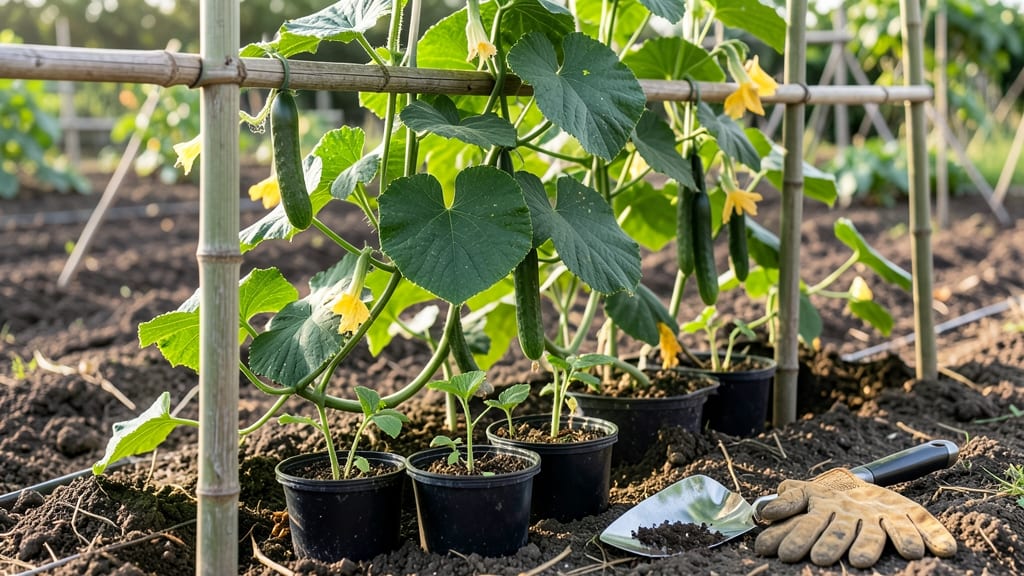
If you’ve ever planted cucumbers in North Florida only to watch them bolt into bitter, tangled vines before producing a single edible fruit, you’re not alone.
The key to avoiding this frustrating cycle lies in timing your planting with precision—not just guessing when the soil is warm enough, but understanding the exact heat triggers that turn your garden dreams into a bolting disaster.
North Florida’s 8b climate gives you two prime windows to grow crisp, sweet 🥒 cucumbers: spring and fall. But planting too early—when chilly nights linger—or too late, when summer’s sweltering heat hits, can ruin your harvest.
I’ll break down the exact dates (and soil temperature secrets) to maximize your yield, whether you’re in Jacksonville’s humid coastal zone or Tallahassee’s slightly cooler inland areas.
You’ll also discover how to stretch your growing season with shade cloth, mulch, and succession planting—proven tricks to keep your cucumbers thriving even when North Florida’s thermometer climbs past 90°F. Plus, I’ll reveal the top 3 varieties that actually perform well here, so you’re not left with store-bought disappointments.
Ready to turn your cucumber patch from a gamble into a guaranteed harvest? Let’s dive into the exact schedule (and heat hacks) that’ll have you picking fresh 🥒 all season long.
North Florida cucumber planting calendar: exact dates by variety
North Florida’s USDA Zone 8b climate demands precise timing for cucumber success—plant too early, and frost zaps tender seedlings; too late, and 90°F+ heat triggers bitter bolting. The key? Two planting windows aligned with soil temperatures and heat tolerance.
Spring offers cooler starts, while fall lets you dodge summer’s worst heat. Let’s break down the exact dates and heat-tolerant varieties that thrive here.
For spring planting, aim for mid-February to early May—but wait until soil temps hit 60°F (15°C) to prevent cold stress. In Jacksonville’s coastal microclimate, you can push seeds slightly earlier (late January) thanks to milder winters, while inland Tallahassee may need to wait until mid-March.
Fall planting runs late July to early September, giving cucumbers time to mature before first frost (mid-December).
Here’s the comparison table for your planting schedule, tailored to North Florida’s two growing seasons:
Notice how fall planting requires a slightly higher soil temperature (65°F) to account for North Florida’s humidity and heat stress. Varieties like ‘Lemon Cucumber’ and ‘Armenian’ handle late-season heat better than traditional slicing types.
For urban gardeners in Jacksonville, consider container growing to extend your window—just ensure pots are 12+ inches deep and use heat-tolerant soil mixes.
Pro tip: Use black plastic mulch to raise soil temps by 5–10°F, letting you plant 2–3 weeks earlier in spring. In my Tallahassee garden, this trick helped me beat the April heat surge and get a head start on harvests.
Pair it with drip irrigation to keep roots cool during Florida’s 90°F+ afternoons.
If you’re growing heirloom or pickling cucumbers, prioritize spring planting—these varieties bolt faster in heat. For slicing cucumbers, fall is your best bet, as the cooler temps delay flowering and improve flavor.
My ‘Straight Eight’ plants in September yielded 3x more fruit than my June attempt, which bolted within weeks.
For succession planting, sow seeds every 2 weeks from March to May and again from August to October. This ensures a continuous harvest and prevents overloading your plants. In North Florida’s short growing season, this is non-negotiable—one planting = one harvest if you skip succession.
Watch for local microclimates: Coastal areas like St. Augustine stay milder longer, while inland Gainesville can see sudden heat spikes. Adjust your schedule 1–2 weeks based on your zip code.
For example, Jacksonville gardeners can plant ‘Marketmore 76’ in late February, while Tallahassee growers should wait until mid-March.
Finally, mark your calendar for North Florida’s heat triggers: Once daytime temps hit consistent 90°F+ (usually mid-June), cucumbers will bolt. Fall planting must finish by early September to avoid this. Use shade cloth (30–50%) if you’re pushing the envelope in late summer for a second crop.
Heat triggers that cause cucumbers to bolt (and how to prevent it)
North Florida’s summer heat isn’t just uncomfortable—it’s a cucumber killer. When daytime temps hit 90°F+ for 3+ days, your plants trigger a survival mechanism called bolting, sending up bitter flowers and tiny cucumbers before you can harvest.
The real culprit? Soil temperatures over 95°F, which confuses the plant into thinking winter’s coming.
Even worse, microclimates matter. Jacksonville’s coastal breezes might delay bolting by a week compared to Tallahassee’s inland heat. That’s why shade cloth (30-50%) becomes your best friend in July. I’ve seen cucumbers bolt in 10 days without protection during heatwaves.
🚨 BOLTING WARNING: Your Cucumbers Are Screaming for Help
3 Heat Triggers that force bolting in North Florida:
- ⚡ 3+ consecutive 90°F+ days – Plants think it’s time to reproduce
- 🌡️ Soil temps >95°F – Roots can’t absorb water properly
- ☀️ 10+ hours of direct sun – Overheats leaves and stems
Don’t wait until you see yellow flowers—that’s too late. Start monitoring soil temps with a thermometer (cheap ones work!). Aim for 60-85°F during active growth. If your soil hits 90°F+, it’s time to mulch heavily or provide afternoon shade.
Here’s my pro tip: Plant heat-tolerant varieties like ‘Straight Eight’ or ‘Lemon Cucumber’ in late July for fall harvests. They handle 95°F soil better than standard slicing cucumbers. Pair them with radishes or nasturtiums—the radishes shade the soil while nasturtiums repel pests.
Watering matters too. Deep watering in the morning (1-2 inches per week) keeps roots cool. Avoid evening watering—wet foliage overnight invites fungal diseases like powdery mildew, which weakens plants and makes them more prone to bolting.
If your plants bolt anyway, don’t panic. Harvest any cucumbers (even small ones) to encourage more growth. And next season? Start seeds indoors 4-6 weeks before your last frost date (mid-February in North Florida) for a head start on the heat.