
Plants
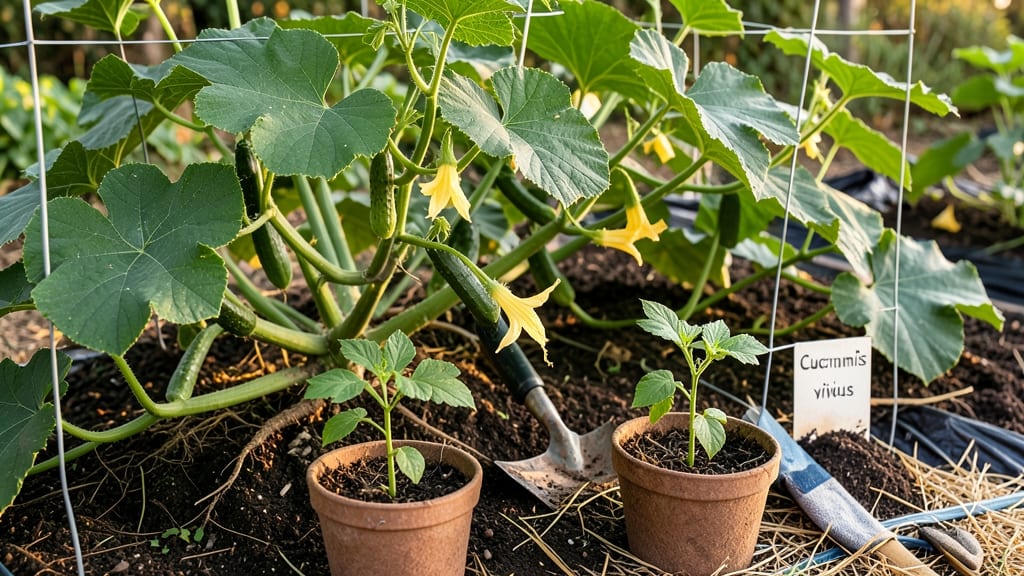
Timing your 🥒 cucumber planting in South Carolina could make or break your harvest—especially when unpredictable spring frosts lurk around the corner. The difference between a thriving vine and a wilted disappointment often comes down to those critical planting windows that align with your local zone.
In zones 7b-8b, where last frost typically lingers until mid-April, waiting until mid-April to early June ensures your seedlings aren’t caught off guard. But here’s the catch: soil temperature matters just as much as calendar dates—your cucumbers need that 60°F+ warmth to take off.
Don’t overlook the fall option either. Late July plantings can yield a second harvest just in time for summer’s end, provided you’re ready to beat the November frosts that creep in sooner than expected. The key? Understanding how to read your region’s microclimate quirks.
I’ll walk you through the exact dates, soil prep secrets, and heat-tolerant varieties that thrive in SC’s humidity—so you can harvest like a pro from June through October. Let’s get those cucumbers growing!
South Carolina cucumber planting dates by frost Zone: exact weeks to avoid frost damage
South Carolina’s USDA zones 7b-8b offer a 215-day frost-free growing season, but timing is everything for cucumbers. Plant too early, and a late frost will kill tender seedlings. Too late, and you’ll miss the peak summer heat cucumbers crave for sweet, productive vines.
Most of the state’s last frost date falls between March 15 and April 15, depending on elevation. For example, Charleston (Zone 8a) typically warms up faster than Greenville (Zone 7b), where frosts linger longer. Always check your local Cooperative Extension Service for precise data.
Cucumbers thrive when soil temperatures hit 60°F or higher. Use a soil thermometer to confirm—planting in 50°F soil slows germination and invites disease. In South Carolina’s humid climate, warm soil also prevents damping-off fungus, a common killer of young seedlings.
Here’s your exact planting window by region:
For a fall harvest, aim to plant cucumbers 8-10 weeks before your first frost (typically late July to early August). This gives vines time to mature before cool nights slow growth. Choose heat-tolerant varieties like 'Southern Sweet' for extended production.
Pro tip: If you’re starting seeds indoors, begin them 3-4 weeks before your last frost date. Use biodegradable pots to transplant seedlings without disturbing roots. Harden off plants by exposing them to outdoor conditions for 1-2 hours daily in the week before transplanting.
Once planted, cucumbers need consistent warmth. If temperatures dip below 50°F at night, cover plants with frost cloth or a row cover. In South Carolina’s heat, focus on shade cloth (30-50%) during peak summer (June-August) to prevent sunscald on fruits.
Remember: Cucumbers are annuals, so each season is a fresh start. By mastering these planting windows, you’ll avoid the heartbreak of frost-killed seedlings and maximize your harvest potential from June through October.
How to extend your cucumber growing season in South Carolina’s heat and humidity
South Carolina’s long, hot summers and high humidity can stress cucumber plants, but with the right strategies, you can extend your harvest well into fall. The key is balancing heat protection, soil moisture, and pest control—all while keeping your vines productive.
I’ve grown cucumbers here for years, and these tactics have helped me avoid wilting vines and pest outbreaks.
First, shade cloth is your best friend during peak summer months (July–August). Use a 30–50% shade cloth to filter sunlight while maintaining airflow—this prevents sunscald and keeps soil cooler. I recommend installing it by mid-June and removing it in early September as temperatures drop.
Another game-changer is mulching. I swear by straw or wood chip mulch (2–3 inches thick) to retain moisture and regulate soil temperature. In Zone 7b, mulch helps prevent soil from heating above 90°F, which can stunt root growth.
For extra insulation, lay down black plastic mulch in early spring to warm the soil faster—this jumpstarts growth in April plantings.
Watering is often where gardeners go wrong. Cucumbers need consistent moisture, but soggy soil leads to rot. I use a drip irrigation system set to deliver 1–2 inches of water weekly, focusing on the base of plants (not leaves).
Always water in the early morning to let foliage dry before evening humidity spikes—this cuts down on powdery mildew risk by 50%.
Don’t overlook companion planting to deter pests. I’ve had the most success with nasturtiums (they trap cucumber beetles) and basil (repels whiteflies). Avoid planting cucumbers near potatoes or sage, as these can stunt growth.
For a fall harvest, I direct-seed ‘Southern Sweet 100’ in late July—its heat tolerance lets it thrive when other varieties bolt.
Finally, prune aggressively to improve airflow. Remove yellowing leaves and overlapping vines weekly to reduce humidity-related diseases. With these adjustments, I’ve pushed my last harvest into early October—just in time for fresh pickles and salads before the first frost!