
Plants
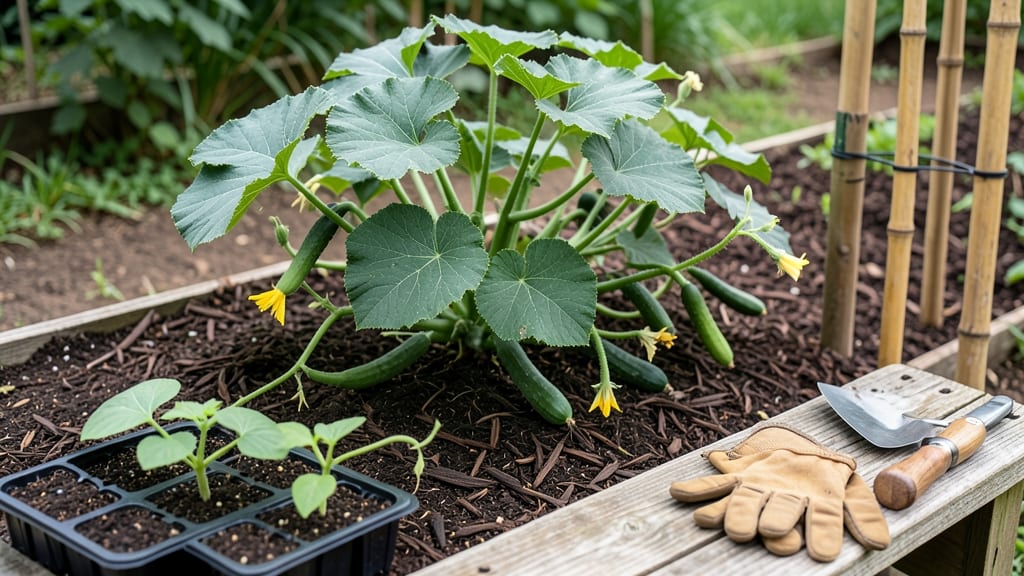
If you're growing cucumbers in Zone 8, timing your planting could mean the difference between a bountiful harvest of crisp, sweet 🥒 and struggling with weak vines or bitter fruit.
The key to success lies in understanding your local frost dates and soil conditions—because planting too early risks frost damage, while waiting too long might leave you missing out on summer's best flavors.
Most gardeners in Zone 8 know the March-April window is prime time for cucumbers, but there's more to it than just calendar dates. Soil temperature plays a critical role—waiting until it consistently reaches 60°F ensures strong root development and faster growth.
And if you're eager for a fall harvest, July-August plantings can still yield delicious cucumbers before the first frost.
Beyond timing, I'll show you how to maximize your cucumber crop with smart techniques like succession planting and companion planting. Whether you're a seasoned gardener or just starting out, these strategies will help you grow more cucumbers with less effort—so you can enjoy fresh, homegrown 🥒 all season long.
Let's dive into the exact planting schedule for Zone 8, including when to start seeds indoors (if you choose that route) and how to protect your plants from unexpected late frosts. You'll leave here with a clear plan to time your cucumber planting perfectly for your region.

Zone 8 cucumber planting timeline: exact dates for peak harvest
Timing your cucumber planting in Zone 8 means the difference between a bountiful harvest and wasted effort. Since Zone 8 spans from Northern California to Georgia, exact dates vary—but aim for after your last frost date (typically mid-March in Southern Zone 8 and late March in Northern areas).
Soil temperature is just as critical: cucumbers thrive when soil hits 60°F or warmer.
For most of Zone 8, the ideal planting window stretches from mid-March to early April for spring harvests. If you want a fall crop, plant again in late July to early August. This two-phase approach ensures fresh cucumbers from June through October—perfect for summer salads and pickling!
But here’s the catch: Northern Zone 8 (like parts of Tennessee or Virginia) may face late spring frosts, so wait until April 15 to be safe. Meanwhile, Southern Zone 8 (like Florida or Southern California) can start as early as February in microclimates with warmer soil.
| Stage | Action | Notes |
|---|---|---|
| Soil Prep | Test pH (6.0-6.8), add compost | Use raised beds for cooler microclimates |
| Spring Planting | Mid-March to early April | Wait for soil ≥60°F; use row covers if frost risk |
| Fall Planting | Late July to early August | Harvest before first frost (Nov 15) |
| Transplanting | After last frost | Harden off seedlings for 7-10 days |
| Harvest Window | June-October | Pick every 2-3 days to encourage production |
If you’re starting seeds indoors, begin 4-6 weeks before your target outdoor date. Use biodegradable pots to avoid root disturbance when transplanting. Seedlings need 6-8 hours of light daily—a sunny windowsill or grow lights work best.
For direct sowing (skipping the indoor stage), plant seeds ½ inch deep, 2-3 feet apart in rows 4-5 feet apart. Thin seedlings to the strongest plant per spot once they’re 2 inches tall. Pro tip: Use a trellis to save space and improve airflow, reducing disease risk.
Zone 8’s long growing season lets you experiment with succession planting. After your first harvest in June or July, clear out old vines and replant with fast-maturing varieties like ‘Straight Eight’ or ‘Marketmore’ for a second crop by mid-summer.
Watch for microclimate differences—valleys stay cooler longer, while south-facing slopes warm up faster. Use a soil thermometer to confirm readiness. If nights dip below 50°F, protect young plants with floating row covers until they’re established.
Remember: Cucumbers are heat-lovers, but extreme summer heat (above 90°F) can cause bitter fruit. Provide afternoon shade cloth if your Zone 8 summers hit 100°F+ to keep vines productive.
With these precision dates and local adjustments, you’ll turn your Zone 8 garden into a cucumber powerhouse—no more wasted seeds or half-hearted harvests! 🌱
How to extend your cucumber season in Zone 8: cold protection & succession planting
Zone 8’s mild winters and long growing season let you push cucumber harvests beyond the usual summer months—but only if you plan ahead. I’ve found that fall plantings and early-season protection can extend your cucumber bounty by 6-8 weeks, giving you crisp fruit well into October.
The trick? Soil warmth, row covers, and succession planting to keep vines productive.
For early cucumbers, start seeds indoors 8-10 weeks before your last frost date (around February 1). Use heat mats to maintain 60-65°F soil temps, which jumpstarts germination. Transplant seedlings outdoors 2 weeks before the last frost—they’ll tolerate light frosts if hardened off properly.
A mini greenhouse or cloche can shave off another 2-3 weeks of cold-sensitive growth.
🌱 Key Strategies to Extend Your Cucumber Season
- 🌡️ Soil Warming: Use black plastic mulch 2-3 weeks before planting to raise soil temps by 5-10°F
- 🛡️ Frost Protection: Deploy floating row covers until nighttime temps stay above 50°F
- 📅 Succession Planting: Sow seeds every 2-3 weeks from April to July for staggered harvests
- 🌿 Fall Planting: Direct-sow heat-tolerant varieties (like 'Straight Eight') in late July for September-October crops
- 🪴 Trellising: Train vines vertically to improve airflow and reduce fungal risks in humid Zone 8 summers
Fall harvesting is where Zone 8 really shines. Choose short-season varieties (50-55 days to maturity) like 'Bush Champion' or 'Marketmore 76' and plant them mid-to-late July. These varieties mature before first frost dates (typically November 15) and thrive in the cooler fall temps that improve cucumber flavor. Mulch heavily with straw to insulate roots and water deeply every 2-3 days—drought stress makes cucumbers bitter.
One of my favorite tricks is succession planting every 2 weeks from April through July. This ensures a continuous supply of fresh cucumbers instead of one big harvest. Space seeds 1 inch deep and 12 inches apart, then thin to 24 inches between plants.
For container growing, use 5-gallon pots with trellis support—this works surprisingly well on patios or balconies.
Don’t overlook companion planting to boost yields. Pair cucumbers with radishes (they deter pests), beans (fix nitrogen), or marigolds (repel beetles). Avoid planting near potatoes or sage, which stunt cucumber growth.
And if you notice yellowing leaves or stunted vines, it’s often a sign of nutrient deficiency—side-dress with compost or a balanced fertilizer (10-10-10) every 4-6 weeks.
With these strategies, you can enjoy homegrown cucumbers from May through October—no greenhouse required! Just remember: soil warmth in spring, frost protection in early summer, and succession plantings for fall. Your taste buds (and dinner table) will thank you.
🌿