
Plants
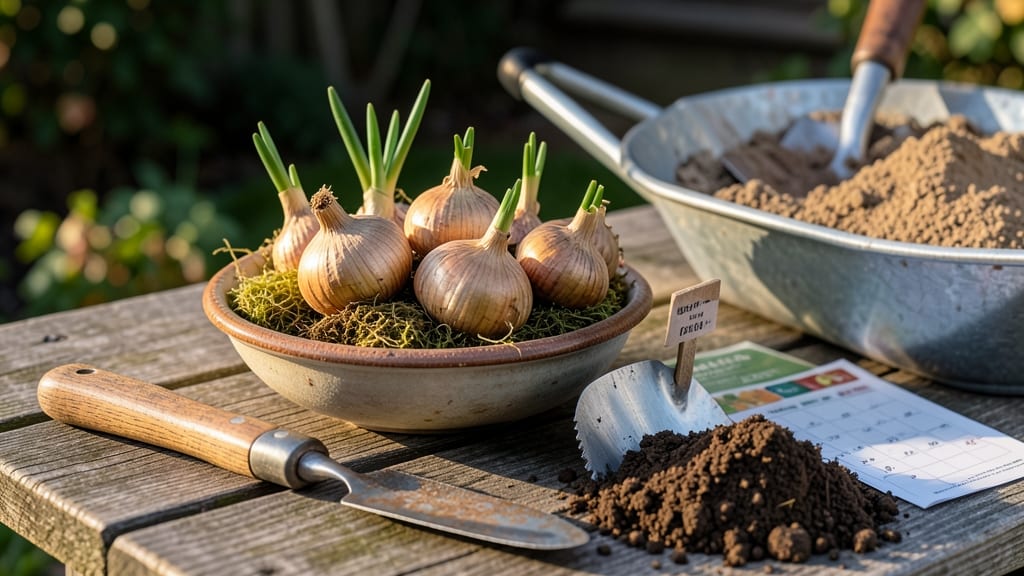
Timing your daffodil bulb planting in Alabama isn’t just about following a calendar—it’s about outsmarting the state’s tricky frost dates and humidity swings. Plant too early, and your bulbs might rot in the warm, wet soil; too late, and winter’s early freezes could nip them before they take root.
The secret lies in a 4-6 week window before the ground freezes solid—typically between late October and mid-November.
Alabama’s USDA zones 7a-8b give you a little flexibility, but local microclimates matter. Huntsville’s crisp air demands earlier planting than Mobile’s milder coastal breezes. I’ll walk you through how to check your exact frost dates and adjust your schedule—because getting this right means vibrant spring blooms without the guesswork.
Beyond the calendar, soil temperature and drainage play starring roles. Alabama’s clay-heavy dirt can turn daffodil beds into soggy traps, while humidity lurking in the air adds another layer of complexity.
Don’t worry—we’ll cover how to prep your soil, mulch for winter protection, and even handle those pesky late frosts without sacrificing your bulbs.
Ready to transform your Alabama garden into a daffodil paradise? Let’s dive into the exact steps to plant your bulbs at the perfect moment—so you’re the one admiring those cheerful 🌼 faces come March, while your neighbors are still waiting for spring.
Best months to plant daffodil bulbs in Alabama (frost-free timeline)
Alabama’s USDA zones 7a-8b give daffodils a fighting chance, but timing is everything. The 4-6 week window before first frost is your sweet spot—plant too early, and bulbs may rot in warm soil, too late, and they won’t root before winter.
For Alabama, that means October through December, but your exact timing depends on where you live.
Most of Alabama’s cities (Birmingham, Montgomery, Huntsville) average their first frost around mid-November, while Mobile and southern regions can wait until late November or early December.
Use these dates as a guide, but always check your local Alabama Cooperative Extension Service for real-time updates—especially in years with early freezes.
Pro tip: Soil temperature matters more than air temperature. Daffodil bulbs need 60°F soil to start rooting. Wait until your garden soil drops below 60°F at night before planting—usually late October to early November in most of Alabama.
Here’s how to adjust for your region:
| Region | Ideal Planting Window | First Frost Avg. | Soil Temp Goal |
|---|---|---|---|
| North Alabama (Huntsville, Decatur) | Late October - Early November | Mid-November | 60°F (nighttime) |
| Central Alabama (Birmingham, Montgomery) | Early to Mid-November | Late November | 60°F (nighttime) |
| South Alabama (Mobile, Dothan) | Mid-November - Early December | Early December | 60°F (nighttime) |
Note: Adjust 1-2 weeks earlier for high-altitude areas (e.g., Appalachian foothills).
If you miss the fall window, you can plant daffodils in January—just expect smaller blooms that year. The key is getting bulbs in the ground before soil freezes. Use a soil thermometer to check—once temps drop below 50°F consistently, it’s time to plant.
For container gardeners, plant daffodils in October or early November regardless of region. Pots freeze faster than in-ground soil, so err on the earlier side. Use well-draining potting mix and move containers to a sheltered spot if frost threatens.
One Alabama-specific hack: If your area has unpredictable late frosts (like parts of north Alabama), plant daffodils in early November and cover them with straw mulch (3-4 inches) once temps drop below freezing. This protects bulbs while allowing roots to establish.
Remember: Daffodils planted in Alabama’s fall will reward you with early spring blooms—often as early as February in southern regions and March in the north. That’s your payoff for nailing the timing!
How to prepare Alabama soil for daffodil bulbs (before and after planting)
Alabama’s clay-heavy soil and humidity can challenge daffodil bulb success, but with the right prep, your bulbs will thrive. Start by testing your soil pH—daffodils prefer a range of 6.0 to 7.0.
If your soil is too acidic, add lime (1 lb per 100 sq ft) 2-3 months before planting to adjust the pH gradually.
Drainage is critical in Alabama’s wet winters. Amend heavy clay soil with organic matter like compost or well-rotted manure (2-3 inches mixed into the top 12 inches of soil). This improves aeration and prevents bulb rot. For sandy soils, mix in peat moss to retain moisture.
Before planting, loosen the soil to a depth of 12 inches with a garden fork or tiller. This helps roots penetrate easily, especially in compacted Alabama clay. Work in a slow-release bulb fertilizer (like 5-10-10) at planting time to provide nutrients without burning tender roots.
After planting, mulch with 2-3 inches of organic mulch (straw or shredded leaves) to insulate bulbs from temperature swings. In Alabama’s mild winters, this prevents early sprouting, which can be damaged by late frosts. Remove mulch in early spring once shoots appear.
Water deeply after planting to settle the soil around bulbs, but avoid soggy conditions. Alabama’s humid climate means fungal diseases like basal rot can be a risk—space bulbs 6 inches apart to improve airflow and reduce moisture retention.
Finally, mark your planting spots with biodegradable flags. Alabama’s unpredictable weather can make it hard to remember where bulbs are planted, and you’ll want to avoid disturbing them in spring when they’re actively growing.