
Plants
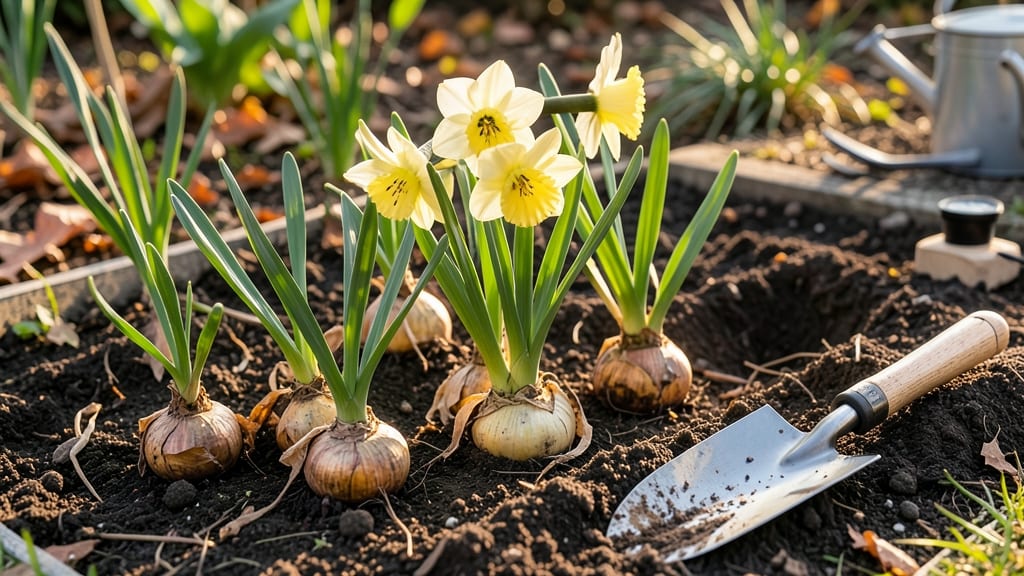
Planting daffodils in Ohio at the wrong time can mean the difference between a stunning spring garden and wasted effort. The key lies in understanding Ohio’s Zone 6a frost patterns—too early, and your bulbs may rot; too late, and they won’t establish roots before winter sets in.
For Ohio gardeners, the ideal window is October through November, when soil temperatures drop but the ground remains workable. This 6-8 week lead time before frost ensures your 🌼 daffodils take root and bloom brightly next spring.
I’ll break down exactly when to plant based on Ohio’s climate, including soil prep tips and how to adjust for unpredictable weather. Whether you’re a first-time gardener or a seasoned pro, these insights will help you time it perfectly.
Let’s dive into the frost-free window that makes all the difference for your daffodils—and why early fall is your best bet for success in Ohio’s Zone 5-6.
Ohio daffodil planting calendar: exact dates by Zone 5-6
Ohio’s Zone 5-6 climate creates a tight 6-8 week window for planting daffodil bulbs—missing it means risking frost damage or weak spring blooms. The key is planting when soil temps drop to 50-60°F but before the ground freezes solid.
For most of Ohio, this translates to mid-October through November, but exact dates vary by microclimate.
Northern Ohio (Zone 5) typically has an earlier frost, so aim for late September to early October to give bulbs time to root before winter. Southern Ohio (Zone 6) can wait until October 15-November 1, with some flexibility for late plantings if soil stays workable.
The USDA Plant Hardiness Map shows Ohio’s frost dates, but local weather patterns often shift these by 2-3 weeks.
Here’s the critical timeline for Ohio gardeners: plant bulbs when daytime temps average 60°F but nighttime dips toward freezing. In Columbus, this usually means October 1-15, while Cincinnati may stretch to mid-November. Use a soil thermometer to confirm—bulbs need 6-8 weeks to establish roots before winter dormancy.
| Zone | Ideal Planting Window | Soil Temp Threshold | Last-Frost Date | Notes |
|---|---|---|---|---|
| Zone 5 (Northern OH) | Late September–Early October | 50–60°F | April 1–15 | Plant ASAP after purchase; colder soils root faster. |
| Zone 6 (Southern OH) | October 15–November 1 | 50–60°F | April 15–30 | Warmer soils allow later plantings; monitor frost forecasts. |
| Both Zones | Backup Window | N/A | Early December (if soil unfrozen) | Bulbs may bloom later; prioritize early plantings. |
Pro tip: Plant daffodils after soil temperatures consistently drop below 60°F but before the ground freezes. In Ohio, this often aligns with Thanksgiving weekend for most regions, but check your local National Weather Service frost predictions.
For example, Toledo’s average first frost is October 12, while Athens might wait until November 5.
Missed the window? Don’t panic—daffodils can handle early December plantings if the ground isn’t frozen solid. However, bulbs planted after November 15 may not bloom until late spring or skip flowering altogether. Prioritize well-draining soil and 6+ hours of sunlight to maximize success with late plantings.
Ohio’s variable weather means you’ll need to adjust yearly. For instance, a warm October might push planting into November, while a cold snap in September could force early action. Use a moisture meter to check soil readiness—bulbs need consistent moisture but no soggy conditions to prevent rot.
Once planted, mulch with straw (2–3 inches) to insulate bulbs from freeze-thaw cycles, a common issue in Ohio’s winters. Remove mulch in early spring to allow foliage to photosynthesize. This simple step can double your daffodil’s lifespan in the garden.
For container gardening in Ohio, plant bulbs in well-draining pots by October 1 to ensure they’re established before winter. Use a lightweight potting mix with perlite to prevent waterlogging. Containers warm up faster in spring, so you might see earlier blooms compared to in-ground plantings.
Remember: Daffodils naturalize in Ohio’s climate, meaning they’ll multiply and return year after year if planted correctly. The first year’s blooms may be modest, but with proper timing, you’ll enjoy vibrant spring displays for decades. Start with 10–15 bulbs in a sunny border to test your local conditions!
How to time daffodil planting for Ohio’s unpredictable weather
Ohio’s variable autumn weather can throw off even the most experienced gardeners. One week might bring unseasonably warm temperatures, while the next could deliver an early frost. To navigate this unpredictability, I rely on three key strategies: soil temperature checks, microclimate awareness, and flexible backup windows.
First, use a soil thermometer to confirm when temperatures consistently drop below 60°F (15°C). This is your green light to plant—daffodil bulbs need this cooler soil to establish roots before winter dormancy.
If your thermometer shows warmer-than-average readings in October, wait a few more weeks to avoid encouraging premature growth.
⚠️ Warning: Late Planting Risks
Planting daffodils after mid-November in Ohio’s Zone 5-6 increases frost damage risk. Bulbs need 4-6 weeks to root before the ground freezes. If you miss the ideal window, opt for container planting to protect bulbs from extreme cold.
Next, consider your garden’s microclimates. Shaded areas or low spots may freeze earlier than sunny, elevated beds. I’ve found that south-facing slopes stay warmer longer, giving bulbs extra time to root. Conversely, north-facing gardens or frost pockets might need bulbs planted 2-3 weeks earlier than the general calendar suggests.
For gardeners who miss the primary window, don’t panic. Daffodils can handle late fall planting as long as the ground isn’t frozen. Aim for early December at the latest, using a thick layer of mulch (4-6 inches) to insulate bulbs.
In my Zone 6a garden, I’ve successfully planted daffodils in early December with 90% survival rates using this method.
Pro tip: Mark your backup planting dates now. For Ohio’s Zone 5 (colder regions), target October 15-30. For Zone 6 (warmer regions), extend to November 1-15.
Keep a small bag of bulbs on hand for these late opportunities—you’ll thank yourself next spring when those late-planted bulbs push through the snow for cheerful blooms.
Finally, embrace container gardening as a safety net. Pots allow you to move bulbs to protected locations if early frost threatens. Plant container daffodils 2-3 weeks later than in-ground bulbs, since pots insulate better. Just ensure containers have drainage holes to prevent bulb rot during Ohio’s winter thaws.
With these strategies, you’ll turn Ohio’s unpredictable weather into an advantage. The key is flexibility—stay alert, use tools like soil thermometers, and don’t hesitate to adjust your timeline. Your future spring garden will reward your adaptability with bold, reliable daffodil displays year after year. 🌼