
Plants
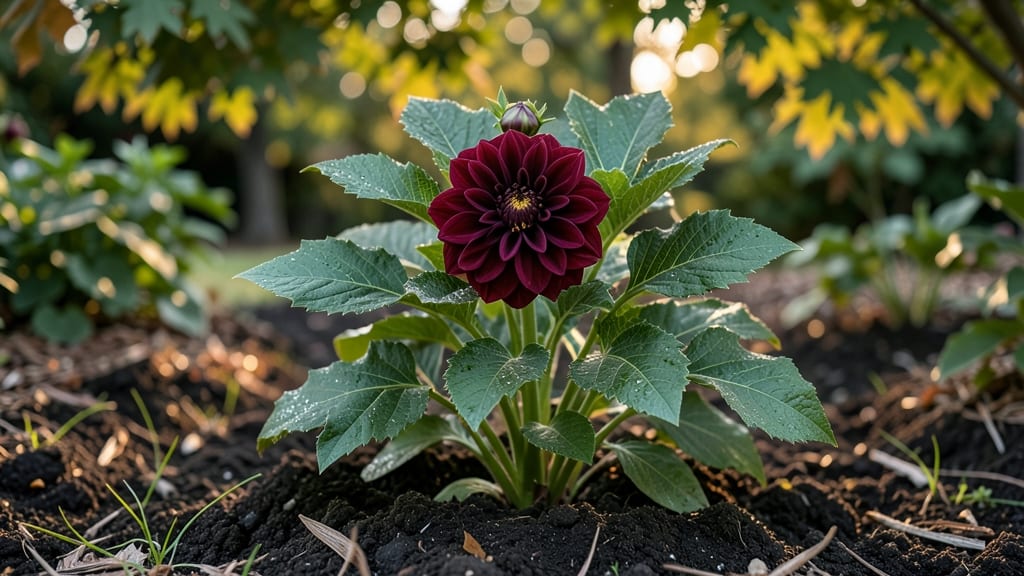
Planting dahlia bulbs in Wisconsin at the wrong time means either frost-nibbled leaves or missed summer blooms—neither of which you want after waiting all winter for your 🌸 garden to shine.
The key to vibrant, long-lasting dahlias lies in timing it perfectly after the last frost, when soil warms to 60°F or higher.
Wisconsin’s USDA zones 4b-5a mean your last frost can swing from mid-April in southern areas to late May in the north, making patience (and a soil thermometer) your best tools.
Planting too early risks cold damage, while waiting too long cuts your blooming season short—so let’s pinpoint the exact window that works for your region.
You’ll also discover how to prep your soil for success, spot the ideal planting depth, and extend your dahlias’ season with simple tricks. Whether you’re a first-time gardener or a seasoned pro, these insights will help you grow dahlias that thrive from July through October.
Ready to transform your garden? Let’s dive into the frost-free timeline that guarantees your dahlias will burst into color—just in time for summer’s peak.
Wisconsin’s frost-free timeline for planting dahlia bulbs
Wisconsin’s variable climate makes timing critical for dahlias. In USDA zones 4b-5a, your planting window hinges on two key factors: last frost dates and soil temperature.
Southern WI (like Madison) typically sees its last frost by mid-April to early May, while northern regions (near Green Bay) often wait until late May. Always plant 2-3 weeks after your area’s last frost—this gives soil time to warm to 60°F+, which dahlias crave.
Dahlia tubers are frost-sensitive, but they’re also slow to establish. Planting too early risks rot in cold soil, while waiting too long shortens your bloom season.
Aim for late May to early June in most of Wisconsin, with adjustments for microclimates. Urban areas may warm faster than rural spots, so monitor your specific garden conditions closely.
Here’s the golden rule: Wait until you’ve had 5 consecutive days above 50°F and nighttime temps stay above 40°F. This ensures your dahlias won’t suffer chill damage or stunted growth.
For extra safety, use a soil thermometer—dahlias thrive when soil hits 60°F+ at a 4-inch depth.
Wisconsin Dahlia Planting Timeline by Region
| Region | USDA Zone | Avg. Last Frost | Ideal Planting Window | Soil Temp Goal |
|---|---|---|---|---|
| Southern WI (Milwaukee, Madison) | 5a | April 15 - May 1 | May 15 - May 31 | 60°F+ (4-inch depth) |
| Central WI (Wisconsin Dells) | 4b | May 1 - May 15 | May 30 - June 10 | 60°F+ (4-inch depth) |
| Northern WI (Green Bay, Eau Claire) | 4a | May 15 - June 1 | June 1 - June 15 | 60°F+ (4-inch depth) |
| Urban Microclimates (e.g., Milwaukee) | 5a | April 20 - May 5 | May 10 - May 25 | 55°F+ (warmer pavement) |
⚠️ Pro Tip: Check your local Almanac frost dates or use the National Weather Service for real-time updates. Adjust for late springs by using row covers.
Microclimates play a huge role in Wisconsin. If you’re in an urban area, pavement and buildings can create warmer pockets where soil thaws earlier. Test your spot by pressing a soil thermometer 4 inches deep—if it’s below 50°F, wait a few more days.
Conversely, low-lying areas or northern exposures may stay colder longer, delaying your planting window by 1-2 weeks.
For container gardening, timing shifts slightly. Pots warm faster, so you can plant 1-2 weeks earlier than in-ground. Just ensure your container has drainage holes and use black pots to absorb heat.
In cold frames or greenhouses, you might even start tubers indoors 4-6 weeks before your last frost date for an earlier bloom.
Don’t forget to chit your tubers 4-6 weeks before planting. Place them in a bright, cool spot (60-65°F) with the eyes facing up. This jumpstarts growth so your dahlias bolt above ground faster once soil warms.
Chitting isn’t mandatory, but it cuts 2-3 weeks off your time to blooms—critical in Wisconsin’s short season.
Once your soil is ready, plant tubers 4-6 inches deep and 12-15 inches apart. Space larger varieties (like ‘Mignon’ series) farther apart to prevent crowding and disease.
Mulch with 2-3 inches of straw or shredded leaves to retain moisture and regulate soil temperature. This is especially important in dry Wisconsin summers when soil can bake.
After planting, water deeply to settle the soil and encourage root growth. Avoid wetting the foliage to prevent fungal diseases like powdery mildew, which thrives in Wisconsin’s humid summers.
Stick to morning watering so leaves dry quickly. With the right timing, your dahlias will reward you with vibrant blooms from July through frost.
Signs your Wisconsin soil is ready for dahlia bulbs (and what to do if it’s not)
Testing your soil before planting dahlias is the secret to avoiding frost damage and stunted growth. Wisconsin’s cool springs can delay planting, so knowing when your soil is ready saves your blooms. Start by checking soil temperature with a soil thermometer—dahlias thrive when it hits 60°F or warmer.
If your soil feels cold or damp when you press your finger 2 inches deep, it’s not ready. Cold soil slows root growth, leaving your dahlias vulnerable to late frosts. For faster warming, add compost or aged manure to improve heat retention and drainage.
🌱
- Root rot from soggy, cold soil
- Stunted growth due to poor nutrient uptake
- Frost damage if planted too early
Use row covers or black plastic mulch to warm soil faster in late springs.
If your soil is still too cold, try planting dahlias in containers filled with pre-warmed potting mix. Containers heat up faster than garden beds and give you flexibility to move plants if late frosts hit. Place pots near a south-facing wall to absorb extra warmth during the day.
For garden beds, mix in sand or perlite to improve drainage and speed up warming. Avoid planting until soil stays consistently warm for 3-5 days. In USDA Zone 4b (Northern WI), aim for late May, while Zone 5a (Southern WI) can plant as early as mid-April.
Once your soil is ready, plant dahlias 4-6 inches deep and water deeply to encourage root growth. Mulch with straw or shredded leaves to retain moisture and keep roots warm. If a late frost sneaks in, cover plants with frost cloth until temperatures rise.
🌿