
Plants
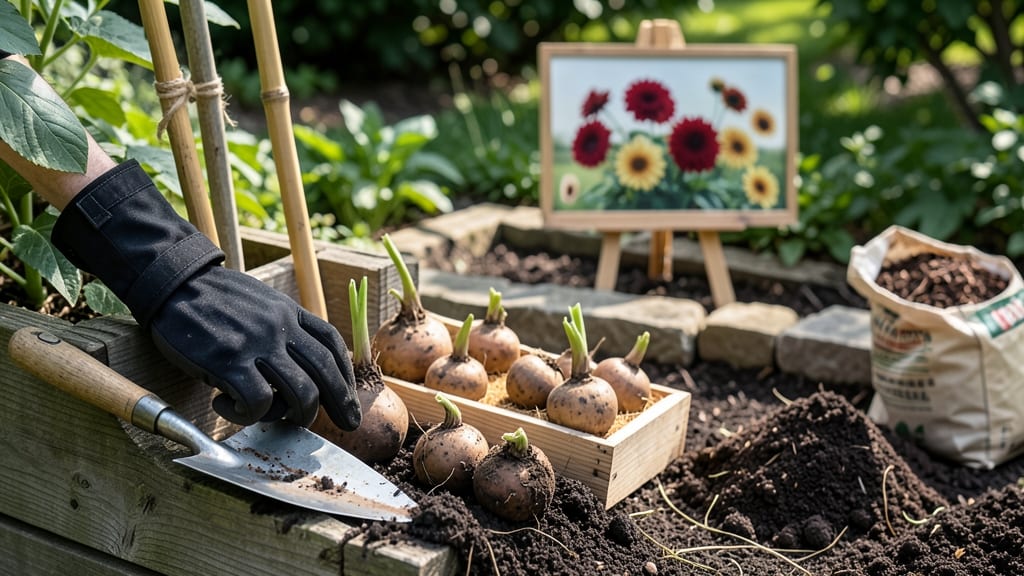
Figuring out when to plant dahlias in Washington State can feel like solving a puzzle—one wrong move, and your 🌼 blooms might never reach their full potential.
With frost dates shifting from mid-April in the Puget Sound to early May in Eastern WA, timing is everything for those vibrant, long-lasting flowers.
Here’s the kicker: Dahlias need warm soil to thrive, but Washington’s unpredictable spring can throw off even the most careful gardeners. Plant too soon, and frost will zap your tubers before they sprout. Too late, and you’ll miss the peak blooming season that stretches from July to October.
Don’t worry—I’ve got the inside scoop on exactly when to plant in your specific USDA zone, whether you’re in Seattle, Spokane, or Yakima. You’ll also learn how to prep your soil and protect your plants from late frosts, so you can enjoy bold blooms all season long.
Ready to turn your garden into a dahlia paradise? Let’s dive into the perfect planting schedule for Washington’s unique climate.
Washington State dahlia planting calendar by USDA Zone: exact dates for frost-free success
Timing your dahlia tubers correctly in Washington State means the difference between lush summer blooms and sad, frost-nipped sprouts. Since WA spans USDA Zones 6b-9a, your planting window varies dramatically—from early April in Zone 9 coastal areas to late May in Zone 6 Eastern WA.
Let’s break down the exact dates and soil conditions you need for each region to ensure your dahlias thrive.
Dahlias are tender perennials that won’t tolerate frost, so waiting until after your average last frost date is critical. In Western WA (Seattle, Bellingham), you can plant as early as mid-April, while gardeners in Spokane or Yakima should hold off until early to mid-May.
Soil temperature also matters—dahlia tubers need soil that’s warmed to at least 60°F to sprout successfully.
🌱
| USDA Zone | Region | Avg. Last Frost | Ideal Planting Window | Soil Temp. Goal |
|---|---|---|---|---|
| Zone 9a | Coastal WA (Olympia, Bellingham) | April 1-15 | Mid-April to early May | 60°F+ |
| Zone 8b | Western WA (Seattle, Tacoma) | April 15-30 | Late April to mid-May | 60°F+ |
| Zone 7b | Central WA (Yakima, Wenatchee) | May 1-15 | Early to mid-May | 60°F+ |
| Zone 6b | Eastern WA (Spokane, Moses Lake) | May 15-31 | Late May to early June | 60°F+ |
*Soil thermometers are your best friend—plant only when soil reaches 60°F for consistent success.
For gardeners in Zone 6 Eastern WA, where late frosts linger into May, consider starting dahlias indoors in late March and transplanting after the last frost date. Use row covers or cold frames to protect young plants if nighttime temps dip below 50°F.
In cooler microclimates like the Cascade foothills, aim for late May planting to avoid frost damage.
If you’re unsure about your last frost date, check the Washington State University Extension frost maps or use local weather stations like MeteoBlue. A general rule: Wait until you’ve had 5 consecutive days above 50°F before planting.
This gives your dahlia tubers the stable warmth they need to root without stress.
Pro tip: Early blooming varieties like ‘Café au Lait’ or ‘Thomas Edison’ can be planted slightly earlier (as soon as soil is workable), while tall varieties like ‘Arabian Night’ need the full growing season—plant them no later than mid-June in Zone 6.
Always stake your dahlias at planting time to prevent wind damage, especially in exposed garden beds.
Once your dahlias are in the ground, mulch heavily with straw or wood chips to retain moisture and moderate soil temperature. This is especially important in drier inland areas like Yakima Valley, where summer heat can stress newly planted tubers.
Monitor your plants closely for the first 2 weeks—any signs of yellowing leaves or stunted growth may indicate root stress from cold soil.
In Zone 8-9 coastal areas, where summers are mild, you can even experiment with fall planting for late-season blooms. Plant tubers in early September to enjoy flowers through October before the first frost. Just be sure to dig up and store tubers before temperatures drop below 30°F.
Remember, dahlias are hungry feeders, so amend your soil with compost or balanced fertilizer before planting. In clay-heavy soils (common in Eastern WA), mix in sand or peat moss to improve drainage. For sandy coastal soils, add organic matter like leaf mold to retain moisture.
Your dahlias will reward you with bold blooms from July through October if you nail the timing—and Washington’s diverse climate means there’s a perfect window for every gardener. Start planning now, and you’ll be cutting fresh dahlias for vibrant bouquets all summer long! 🌼
How to prep dahlias for Washington’s unpredictable spring: soil, hardening, and frost protection tips
Washington’s spring weather can be as unpredictable as a dahlia’s blooming schedule—one day warm, the next a surprise frost. To give your tubers the best shot at survival, start prepping 6-8 weeks before your target planting date.
This means early March for Zone 7-9 (western WA) and late March for Zone 6 (eastern WA). The goal? Strong roots and shock-resistant plants ready to face WA’s late frosts (which can hit as late as May 1 in the Yakima Valley).
Begin by inspecting your dahlia tubers for soft spots or mold—discard any that look compromised. Healthy tubers should feel firm with visible eyes (growth nodes).
Cut damaged areas with a sterilized knife and let them dry for 24 hours before storing in a cool, dark place (like a garage) until planting.
For eastern WA gardeners with clay-heavy soil, mix in compost or aged manure to improve drainage, while coastal gardeners should amend sandy soil with peat moss or coconut coir to retain moisture.
⚠️ Frost Alert: WA-Specific Risks
Eastern WA (Zones 6-7): Late frosts can linger until May 15—delay planting until soil reaches 60°F (use a soil thermometer!).
Western WA (Zones 8-9): Coastal areas may see light frosts in April—harden off tubers gradually and use row covers for extra protection.
Puget Sound: Microclimates vary—check your local frost date (e.g., Seattle’s last frost is April 15, but Bellingham can be 2 weeks later).
Hardening off is critical in WA’s variable spring temps. Start by placing tubers in a shady, outdoor spot for 2-3 hours on day 1, increasing exposure by 1-2 hours daily. By day 7, they should tolerate full sun for 4-6 hours.
For Zone 6 gardeners, extend this process to 10-14 days—patience here prevents shock. Pair this with mulching your garden beds 2 weeks before planting. Use straw or wood chips (4-6 inches deep) to insulate roots and retain moisture, which is especially vital in drought-prone Yakima.
If your last frost date is still looming, consider container growing for dahlias. Pots warm up faster than soil and can be moved to sheltered spots or indoors overnight if frost is forecasted.
Choose large containers (18+ inches deep) with drainage holes and fill with a lightweight potting mix. This method buys you 2-3 extra weeks of planting flexibility in cooler zones like Spokane.
For ground planting, mark your dahlia bed with bamboo stakes to avoid disturbing roots during late prep. Mix a slow-release fertilizer (10-10-10) into the soil at planting time to give your tubers a nutrient boost.
In Zone 8-9 areas like Vancouver, you can even start tubers indoors in late February under grow lights, then transplant outdoors after the average last frost—this jumpstarts blooms by 4-6 weeks.
Pro tip: Keep a garden journal to track your local frost dates and soil temps over years. Washington’s microclimates mean your neighbor’s perfect timing might not work for you—adjust based on your specific elevation and urban vs. rural location.
With the right prep, your dahlias will reward you with bold blooms from July to October, even in WA’s challenging climate. 🌼