
Plants
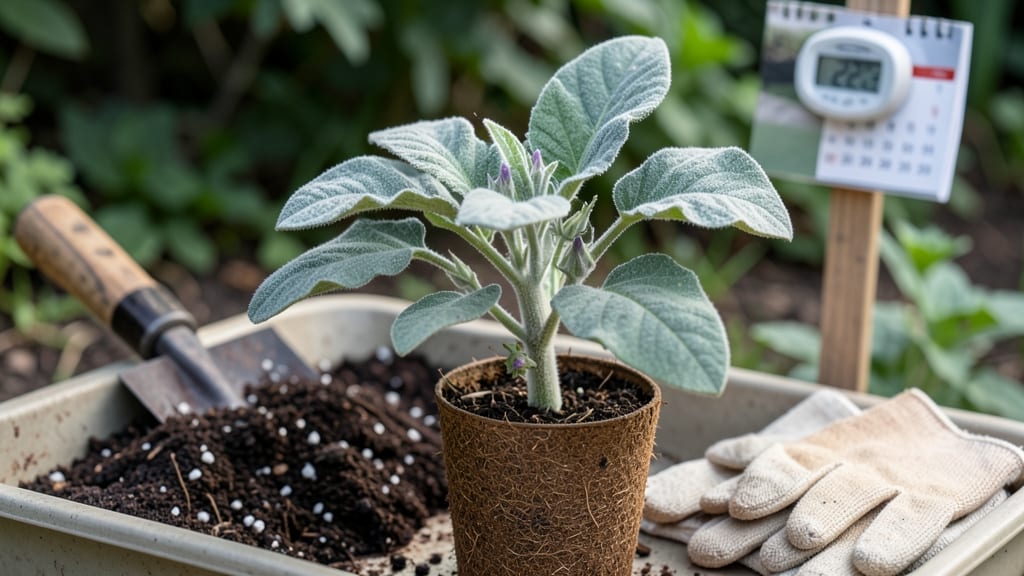
If you're dreaming of a bountiful harvest of glossy 🍆 eggplants this year, timing your California planting just right is the key to success. Unlike frost-prone regions, California’s diverse climate means coastal areas like San Diego can start earlier than inland valleys or desert zones.
Planting too early risks stunted growth from cool soil, while waiting too long means summer’s brutal heat arrives before your plants even set fruit. The good news?
With the right month-by-month strategy, you can grow eggplants as an annual (or even perennial in mild zones) and enjoy a harvest from July through October.
I’ll break down the best planting windows for your specific region—whether you’re in frost-free coastal Zone 10 or the hotter inland valleys of Zone 9a. Plus, I’ll share pro tips to beat heat stress and extend your season for bigger yields.
Ready to turn your garden into an eggplant powerhouse? Let’s dive into the perfect timing for your California climate.
California eggplant planting calendar by region (avoid frost & heat stress)
California’s diverse microclimates mean eggplant planting times vary wildly—from coastal chill to desert heat. While frost is rare, soil temperature and heat stress are your real enemies.
Plant too early, and roots struggle; too late, and summer’s intensity stunts growth. Let’s break it down by region to maximize your harvest window.
Eggplants thrive in USDA Zones 9a-11, but even within California, conditions shift dramatically. The Central Valley bakes by June, while coastal areas stay mild into October.
Desert regions like Palm Springs can push harvests into November, but water management becomes critical. Below, we’ll map out the optimal planting windows for each zone.
🌱 Eggplant Planting Summary by California Region
| Region | Last Frost Date | Best Planting Window | Soil Temp Goal | Harvest Window |
|---|---|---|---|---|
| Coastal (San Francisco, Santa Barbara) | January 1 (buffer) | March–May | 70°F+ | July–October |
| Central Valley (Sacramento, Fresno) | February 15 | April–June | 75°F+ | June–November |
| Desert (Palm Springs, Coachella) | March 1 | April–July | 80°F+ | July–December |
🌡️ Pro Tip: Use a soil thermometer—eggplants won’t thrive until soil hits 70°F+.
For coastal gardeners, March is your sweet spot—soil warms gradually, and frost risk is minimal. Start seeds indoors in February for transplants by mid-March.
If you’re in Santa Barbara or Monterey, you can even squeeze in a fall crop by planting seeds in August for harvests before winter chill sets in.
Inland valleys like the Central Valley demand patience. Wait until April to transplant, when daytime temps consistently hit 75°F. The heat arrives fast here—by June, temps can exceed 100°F, so prioritize shade cloth and mulching to protect young plants.
Desert regions? Plant in April and embrace drip irrigation to conserve water.
Regardless of region, transplant shock is a real threat. Harden off seedlings for 7–10 days before moving them outdoors. Choose overcast days for transplanting to reduce stress. And always water deeply after planting—eggplants need 1–2 inches of water weekly, but drought stress leads to bitter fruit.
One game-changer for California gardeners: black plastic mulch. Lay it down 2–3 weeks before planting to raise soil temps by 5–10°F. This trick lets you plant 2–4 weeks earlier in cooler zones.
Pair it with straw mulch on top to retain moisture and suppress weeds. Your eggplants will thank you with larger, sweeter fruit.
Timing isn’t just about when to plant—it’s about when to harvest. In coastal areas, aim to harvest by October to avoid autumn rains, which increase disease risk.
Inland, you’ve got until November, but watch for fruit sizing. Eggplants like 'Black Beauty' mature in 75 days, but heat-tolerant varieties (like 'Ichiban') can handle longer summers.
If you miss the spring window, don’t despair—California’s long growing season allows for late-summer replants. Try sowing seeds in July for a fall harvest, especially in cooler microclimates. Just be prepared to protect plants from wild temperature swings that can occur in September.
Remember: soil prep is half the battle. Eggplants crave well-draining, fertile soil with a p
How to extend eggplant season in hot California summers (pro tips)
California’s scorching summers can turn eggplant plants into wilted messes if you don’t act fast. But with the right tricks, you can push your harvest into autumn—and even coax a second crop!
The key is heat management, not just watering. I’ve tested these methods in my own San Joaquin Valley garden, and they’ve doubled my yield during peak heat.
First, shade cloth is your best friend. A 30-50% shade cloth reduces soil temps by 10-15°F while letting enough light for growth. Install it over plants when temps hit 90°F+.
Pair it with white mulch (like straw or reflective plastic) to bounce back even more heat. This combo keeps roots cool and prevents blossom drop.
For late-season planting, aim for mid-July in inland areas or early August near coasts. Choose fast-maturing varieties (like 'Ichiban' or 'Fairy Tale') that harvest in 50-60 days.
Plant them in raised beds with compost—warmer soil speeds germination. I’ve had success with black plastic mulch under beds to raise soil temps by 5-8°F.
Pruning is another game-changer. Remove lower leaves to improve airflow and reduce fungal risk. Pinch back new growth when temps exceed 95°F—this forces energy into existing fruit rather than new leaves. I also thin crowded plants to 18-24" apart, which cuts competition for water.
Don’t forget about succession planting! After your first harvest in late summer, pull spent plants and sow new seeds in their place. Use row covers at night to protect young seedlings from desert coyotes (yes, they’re a real threat in some areas!).
With these tricks, I’ve harvested eggplants as late as mid-November in my Zone 9b garden.
Finally, monitor for heat stress signs: yellowing leaves, curled edges, or fruit that’s small and deformed. If you see these, immediately increase shade and water. With patience and these pro tips, your eggplant season can stretch from spring to fall—no frost in sight! 🌿