
Plants
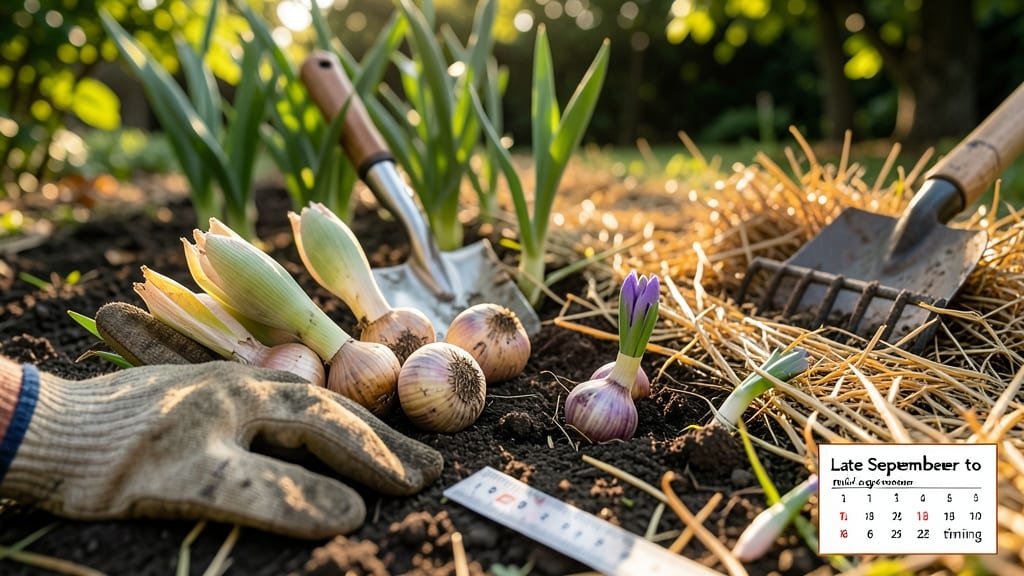
Zone 4 fall bulb planting timeline: exact weeks before frost for reliable growth
Timing is everything when planting fall bulbs in Zone 4, where the average first frost arrives between October 15–November 15. Aim to plant 4–6 weeks before frost—typically late September to early October—to give bulbs time to root before winter sets in.
This window ensures bulbs establish strong roots while avoiding premature sprouting or frost damage.
Most fall-planted bulbs—like tulips, daffodils, and crocuses—require 6–8 weeks of chilling to bloom. In Zone 4, this translates to planting between September 15 and October 15, depending on your specific frost date.
For example, if your frost date is October 30, plant by September 20; if it’s November 10, you have until October 10.
Soil temperature is your best guide: bulbs should go into soil between 40–60°F. Use a soil thermometer to check—if temps drop below 50°F, it’s time to plant. In Zone 4, this usually aligns with late September, but cooler microclimates (like shaded areas) may need earlier planting.
Here’s a species-specific breakdown of ideal planting times and depths for Zone 4:
| Bulb Type | Zone 4 Planting Window | Depth | Notes |
|---|---|---|---|
| Tulips | Late September–early October | 6–8 inches | Needs well-draining soil; avoid soggy spots. |
| Daffodils | Mid-September–mid-October | 6–8 inches | Drought-tolerant; great for borders. |
| Crocuses | Early September–early October | 3–4 inches | Early bloomers; plant in clusters. |
| Alliums | Late September–early October | 6–8 inches | Tolerates poor soil; long stems for cutting. |
| Hyacinths | Mid-September–early October | 6–8 inches | Fragrant blooms; plant in full sun. |
Pro tip: Larger bulbs (like daffodils) can handle slightly later planting, while smaller bulbs (like crocuses) need earlier dates. Always plant pointy end up—this ensures proper growth direction.
If you’re unsure about your frost date, check your local USDA Plant Hardiness Zone Map or ask your county extension office for precise data.
In Zone 4, late September is ideal for most bulbs, but don’t wait past October 15 unless you’re using a cold frame or mulch to protect them. Planting too late risks frost damage before roots establish, while planting too early can lead to premature sprouting and rot. Balance is key!
For container gardening, plant bulbs in pots by mid-September and move them to a garage or shed before frost. This extends your planting window and protects bulbs from freezing soil. Just ensure pots have drainage holes to prevent waterlogging.
Finally, amend your soil with compost before planting to improve drainage—a critical factor in Zone 4’s heavy clay soils. Aim for well-draining, slightly sandy soil to prevent bulb rot. After planting, water deeply and apply a 2-inch layer of mulch to insulate bulbs over winter.
With this timeline, your Zone 4 garden will burst with color next spring, proving that patience and precision pay off in the bulb department. Happy planting! 🌷
5 Critical factors that determine your perfect planting window in Zone 4
Timing your fall bulb planting in Zone 4 isn’t just about counting weeks before frost—it’s about understanding five critical factors that shift your ideal window. Each plays a role in ensuring your bulbs establish roots before winter sets in. Let’s break down what truly matters for reliable spring blooms.
First, soil temperature is your most reliable guide. Bulbs need soil between 40–60°F to start rooting without sprouting prematurely. In Zone 4, this typically aligns with late September to early October, but a soil thermometer (just $10 at garden centers) can confirm readiness in your microclimate.
Next, bulb size impacts planting depth and root establishment speed. Larger bulbs (like tulips) need 6–8 inches of soil cover, while smaller ones (like crocuses) only require 2–3 inches. Deeper planting delays sprouting, giving roots more time to anchor before frost.
Don’t overlook local microclimates. A south-facing slope warms faster than a shaded valley, potentially extending your planting window by 1–2 weeks. Observe where frost lingers longest in your yard—this is often where you should plant late-blooming bulbs like daffodils.
Adjust for early/late frosts by checking your 10-year frost records (available via local weather stations). If your area averages a hard freeze by October 10, shift planting to early September for high-altitude bulbs like alliums, which need extra time to root.