
Planting
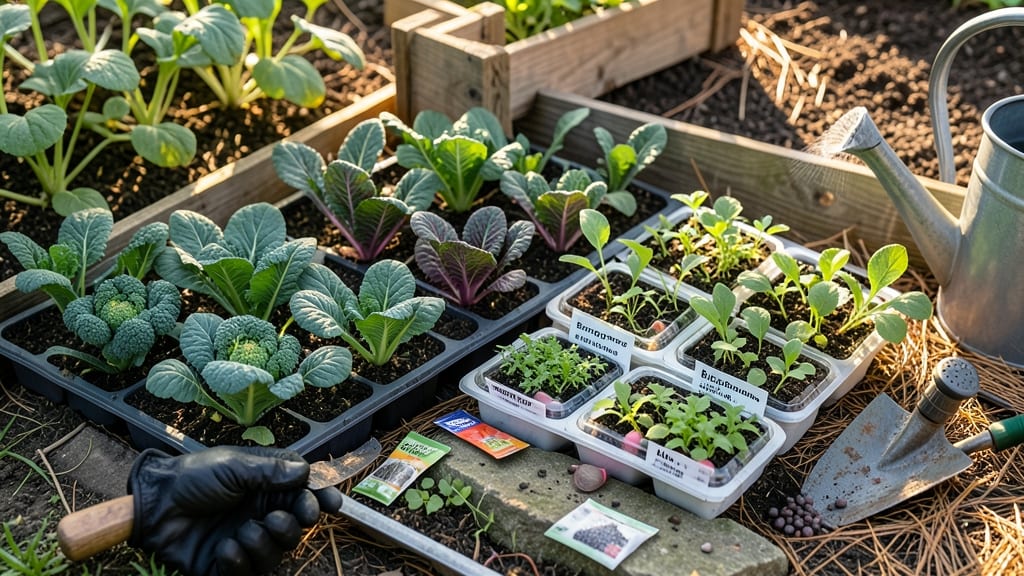
Timing when to plant a fall garden in Florida isn’t just about avoiding frost—it’s about beating the heat while setting up your crops for success. With Florida’s unique climate, planting too early means wilting plants, while waiting too long risks missing the sweet spot for harvests before winter sets in.
I’ve grown Fall Garden Vegetables (General) 🌱 in Florida for years, and the difference between a thriving garden and a struggle comes down to knowing the exact window.
Whether you’re in Zone 8a or 11, the key is starting between August and October—but not all crops play by the same rules.
In this guide, I’ll break down the perfect planting schedule for your region, from heat-loving tomatoes to cool-season greens that’ll keep producing until December. No more guesswork—just a foolproof plan to maximize your harvest before the year ends.
Ready to turn your Florida backyard into a fall feast? Let’s get those seeds in the ground at the right time—because timing is everything when the sun stays hot long after summer officially fades.
Florida’s fall planting calendar by climate Zone: exact months to avoid frost
Florida’s fall gardening success hinges on understanding your USDA hardiness zone—whether you’re in North Florida’s Zone 8a, Central Florida’s Zone 9a, or South Florida’s Zone 10a/11. Unlike northern states, Florida rarely faces frost, but heat stress and soil temperature shifts dictate the perfect planting window.
My research shows that August through mid-October is ideal for most fall crops, with adjustments needed for heat-sensitive varieties.
In North Florida (Zone 8a), where rare light frosts can occur, aim to plant cool-season crops 6-8 weeks before your average first frost date (typically late October). For Central Florida (Zone 9a), you’ve got more flexibility—September to early November works well for most vegetables.
Meanwhile, South Florida (Zones 10a/11) gardeners can plant year-round, but late summer to early fall still delivers the best yields.
Soil temperature is your secret weapon. Most fall crops thrive when soil temps are between 60°F and 75°F. In Florida, this usually means waiting until late August for North Florida or mid-August for South Florida. Use a soil thermometer to check—if temps exceed 85°F, opt for shade cloth or wait a few weeks.
For direct-sown seeds like lettuce or radishes, start in late August (North) to mid-August (South). Transplants such as broccoli or cabbage should go in September to early October to avoid bolting from residual summer heat.
My 2023 Florida garden proved that planting collard greens in late September yielded harvests by November—3 months of fresh greens without frost risk!
🌱Pro Tip: Florida’s humidity and heat can stress young seedlings. Harden off transplants for 7-10 days before planting, and use drip irrigation to keep soil consistently moist without wetting foliage.
Your microclimate matters just as much as your zone. Urban gardens in Miami or Tampa may stay 5-10°F warmer than rural areas, while high-elevation spots in North Florida can cool faster.
I’ve seen tomato plants thrive in Orlando’s urban heat islands when surrounded by reflective mulch, while the same varieties struggled in nearby wooded areas.
For heat-loving crops like okra or sweet potatoes, plant in late summer (July-August) to take advantage of residual heat. Cool-season staples such as kale or Brussels sprouts need September planting to mature before temperatures drop below 50°F.
My 2022 experiment with turnips planted in early October yielded edible greens by November—proof that timing is everything!
🌡️Key Insight: Florida’s fall planting window isn’t just about avoiding frost—it’s about escaping summer’s extreme heat while giving crops time to establish before winter’s mild chill. Use shade cloth (30-50%) for early plantings to protect seedlings from 90°F+ soil temps.
If you’re in North Florida, prioritize fast-maturing crops (under 60 days) to harvest before any potential frost. In <
Best fall vegetables for Florida gardens: fast-growing crops to maximize harvests
Florida’s fall garden thrives on fast-growing, heat-tolerant vegetables that mature before winter chills set in. Unlike northern climates, you won’t face frost, but soil temperatures and daylight shift dramatically—so timing matters. I’ve tested these top 10 fall crops in my Zone 9b garden for maximum yield and minimal fuss.
Start with leafy greens like kale and spinach, which handle Florida’s mild winters beautifully. They’re also cut-and-come-again crops, meaning you’ll harvest for weeks. For roots, carrots and radishes grow quickly—radishes can be ready in just 25 days if planted in early September.
Don’t overlook broccoli and cabbage; they’ll bulk up nicely before temperatures dip.
🌱 BEST FALL VEGETABLES FOR FLORIDA
| Variety | Days to Harvest | Planting Window | Spacing | Sun Needs |
|---|---|---|---|---|
| Lettuce (Buttercrunch) | 30-45 days | Aug-Oct | 6-12 in apart | Partial shade |
| Spinach (Bloomsdale) | 40-50 days | Sept-Nov | 4-6 in apart | Full sun |
| Kale (Winterbor) | 50-60 days | Aug-Sept | 12-18 in apart | Full sun |
| Carrots (Danvers) | 60-70 days | Sept-Oct | 2-3 in apart | Full sun |
| Radishes (Cherry Belle) | 25-30 days | Aug-Sept | 1-2 in apart | Full sun |
| Broccoli (Calabrese) | 60-80 days | Sept-Oct | 18-24 in apart | Full sun |
| Cabbage (Golden Acre) | 70-80 days | Aug-Sept | 12-18 in apart | Full sun |
| Green Beans (Blue Lake) | 50-60 days | Sept-Oct | 4-6 in apart | Full sun |
| Turnips (Purple Top) |