
Plants
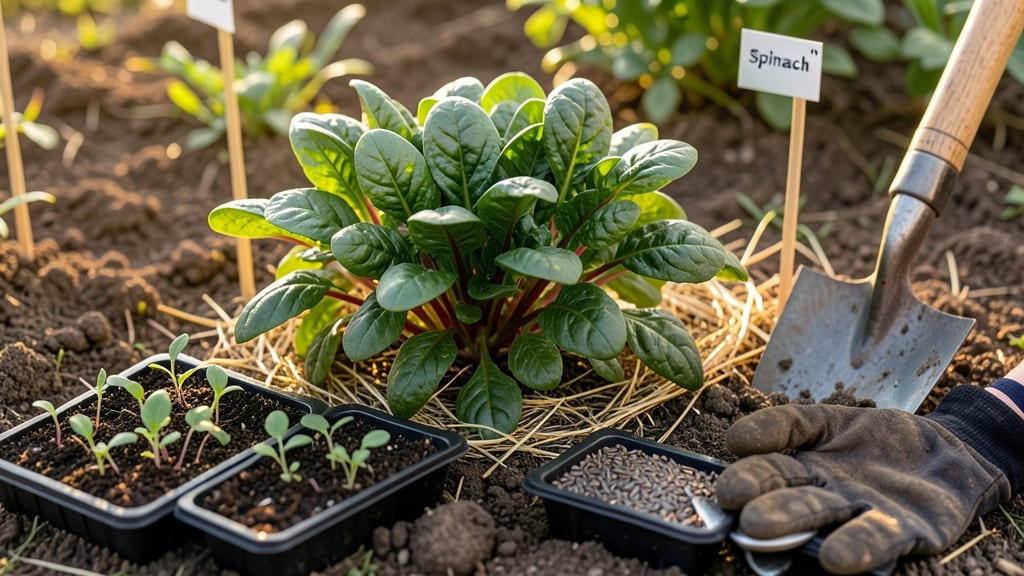
Timing your fall spinach planting in Zone 6 can mean the difference between a thriving harvest and a disappointing one—get it wrong, and frost ruins your crop before it even matures.
With 6a/6b winters arriving early, knowing the exact window to sow 🌱 spinach is key to maximizing your garden's potential.
Most gardeners in Zone 6 aim to plant 8-12 weeks before the first frost, but the real secret lies in balancing variety selection with local microclimates. Early-maturing varieties give you a head start, while slow-bolt types reward patience with a longer harvest window—if you time it right.
I’ve tested these methods myself, and the results speak for themselves: a well-timed fall planting delivers tender, sweet spinach long after summer crops have faded. Let’s break down the exact weeks to plant, soil prep tips, and how to avoid common mistakes that sabotage even the most eager gardeners.
Whether you’re a seasoned gardener or new to growing 🌱 spinach, this guide will help you plan for success—so you can enjoy homegrown greens straight from your garden until winter’s first hard freeze.

Optimal fall spinach planting timeline in Zone 6: exact weeks before frost
Planting spinach in Zone 6 for a fall harvest requires precise timing—aim for 6 to 8 weeks before your first frost, which typically lands in mid-September to early October in this zone.
This window ensures your spinach matures before temperatures dip below 20°F (-6°C), which can damage even cold-hardy varieties.
For Zone 6, the average first frost date falls around November 15, but this can shift ±10 days depending on your exact location. Check your local USDA Plant Hardiness Zone map or use a frost calendar to pinpoint your specific deadline.
Spinach varieties differ in maturity rates: fast-maturing types (like 'Early Summer') take 30-40 days, while slow-bolt varieties (such as 'Bloomsdale Long Standing') need 50-60 days. Plant the right variety to match your frost date.
Soil temperature also plays a critical role—spinach germinates best in soil that's 40-80°F (4-27°C). If your soil cools below 40°F (4°C) before germination, consider using a seedling heat mat or starting seeds indoors.
To maximize your harvest, consider succession planting every 2 weeks starting in early September. This staggered approach ensures a continuous supply of fresh spinach until frost.
If you miss the ideal window, don’t panic—you can still plant 4-6 weeks before frost for a smaller harvest. Just choose fast-maturing varieties and protect seedlings with frost cloth on chilly nights.
Always test your soil’s pH (6.0-7.0) and amend with compost before planting. Spinach thrives in rich, well-draining soil, so avoid heavy clay or sandy patches that retain too much moisture.
For a foolproof method, mark your frost date on your calendar and count backward. If you’re unsure, err on the earlier side—spinach grows slower in cooler fall temperatures, and late plantings risk bolting or frost damage.
Once planted, keep soil consistently moist (1 inch per week) and mulch with straw to retain warmth. With the right timing, you’ll enjoy crisp, sweet spinach straight from your garden until winter sets in.
How to adjust planting dates for Zone 6’s frost patterns and spinach varieties
Zone 6’s variable frost dates (typically mid-November) mean your fall spinach planting window can shift by 2-3 weeks depending on microclimates. Urban areas often frost 1-2 weeks earlier than rural spots due to heat absorption, so adjust your schedule accordingly.
For example, if your last frost date is November 10, aim to plant 8-10 weeks earlier—around early September—for a harvest before winter sets in.
Not all spinach varieties play by the same rules. Slow-bolt types like 'Winter Bloomsdale' tolerate cooler temps and can handle planting 10-12 weeks before frost, while fast-maturing varieties such as 'Tyee' mature in just 30-40 days and should be sown 4-6 weeks before frost.
Mixing both in your garden lets you extend harvests from late October to December.
Here’s how to match your spinach type to Zone 6’s frost timeline:
| Variety Type | Days to Maturity | Planting Window (Zone 6) | Harvest Window |
|---|---|---|---|
| Slow-Bolt (e.g., 'Winter Bloomsdale') | 50-60 days | 8-12 weeks before frost (Aug 15-Sep 15) | Late Oct-Dec (with protection) |
| Fast-Maturing (e.g., 'Tyee') | 30-40 days | 4-6 weeks before frost (Sep 15-Oct 15) | Oct-Nov |
| Semi-Slow (e.g., 'Space') | 40-50 days | 6-8 weeks before frost (Sep 1-Sep 30) | Late Oct-Nov |
To stretch your harvest even further, use row covers or cold frames to delay frost damage by 2-4 weeks. These tools create a 5-10°F warmer microclimate, letting slow-bolt varieties thrive well into December.
For example, if your last frost is November 15, a cold frame could push your harvest to Christmas—just be sure to vent it on mild days to prevent overheating.
If you’re in a warmer microclimate (e.g., near a lake or south-facing garden), you might safely plant 2 weeks later than the general Zone 6 guideline. Conversely, urban heat islands or high-elevation areas may need earlier planting.
Test your soil temperature—spinach germinates best when soil is 45-85°F, so aim for late August to early September plantings in most cases.
Pro tip: Sow succession crops every 2 weeks from mid-August to mid-September to ensure a steady supply. This works especially well with fast-maturing varieties like 'Baby’s Leaf Hybrid,' which gives you harvestable leaves in just 30 days.
Pair this with drip irrigation to maintain consistent moisture—spinach hates drying out, and drought stress speeds up bolting.