
Plants
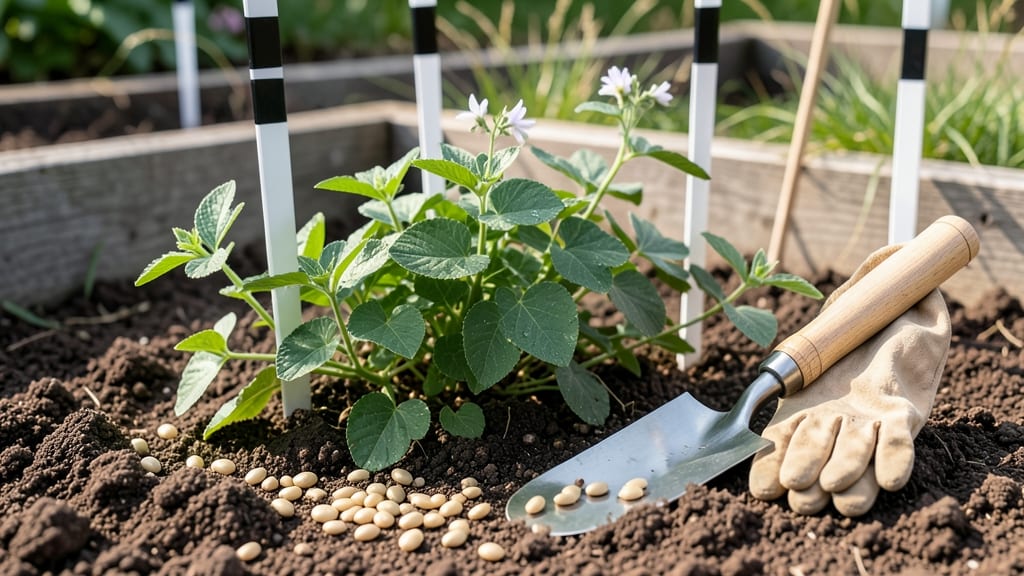
Timing is everything when it comes to growing fava beans in Zone 6—plant too early, and you risk frost damage; too late, and the summer heat will stifle their growth. The secret to a thriving crop lies in understanding the exact planting window that balances cool temperatures and frost-free conditions.
If you've ever wondered why some gardeners in Zone 6 reap bumper crops while others struggle, it often boils down to these precise timing details. Fava beans, with their cool-season preference, need just the right moment to sprout strong roots before the heat sets in.
Let me show you how to nail those critical weeks for planting.
Most gardeners in Zone 6 plant fava beans in early spring (March-April) or late summer (August-September), but the real magic happens when you account for soil temperature and frost risks.
I'll break down the optimal planting schedule so you can avoid common mistakes and enjoy a harvest from June through November.
Ready to transform your garden? By the end, you'll know exactly when to plant for maximum yields, how to prepare your soil, and even how to extend your harvest season. Let's get those fava beans growing!

Best planting months for fava beans in Zone 6: frost-free timing explained
Fava beans (🌱) love cool weather but bolt in summer heat—so timing is everything in Zone 6. The key is planting when soil temps stay below 75°F and frost risk is minimal.
For me, this means two prime windows: early spring and late summer. Let's break down the exact months and why they work.
In Zone 6, the last frost date typically falls around April 15, while the first frost arrives by October 15. Fava beans need 60-120 days to mature, so planting too late in spring risks summer heat stress, while fall plantings must finish before frost.
Here's how to nail the timing:
🌱 Did You Know? Fava beans can survive light frosts and even grow through winter in Zone 6 if planted in September or October. This makes them a great fall/winter crop for extending your harvest season.
| Planting Window | Ideal Months | Soil Temp | Frost Risk | Harvest Window |
|---|---|---|---|---|
| Early Spring | March - April | 45-65°F | Low (after April 15) | June - July |
| Late Summer | August - September | 60-70°F | Moderate (after Sept 15) | October - November |
| Winter (Hardy Varieties) | October - November | 35-50°F | High (survives light frost) | March - April (next year) |
For spring plantings, aim to sow seeds 4-6 weeks before your last frost date. In Zone 6, that's typically mid-to-late March. This gives plants enough time to establish roots before summer heat arrives.
I always test soil temps with a soil thermometer—if it's above 75°F, delay planting until fall.
If you prefer fall plantings, shoot for late August to early September. This ensures pods mature before the first frost. For winter harvests, plant cold-hardy varieties like 'Himalaya' or 'Alaska' in October. These can survive 20°F temps and produce fresh pods in early spring.
Microclimates matter! If your garden sits in a warmer microclimate (like near a south-facing wall), plant fava beans 2 weeks later than the average dates. Conversely, cooler spots (like shaded areas) can handle earlier plantings. Always monitor local frost forecasts—a late frost can devastate young plants.
Pro tip: Use row covers or cold frames to extend your planting window by 2-3 weeks in spring or fall. This gives you more flexibility if your timing is off by a week or two. Just remove covers when temps rise above 70°F to prevent heat stress.
Remember, fava beans are self-pollinating, so you don’t need multiple plants for harvests. But for larger yields, I plant at least 3-5 plants in a small patch. This ensures enough pods for fresh eating and saving seeds for next year.
Finally, always rotate crops—never plant fava beans in the same spot two years in a row. They're legumes, so they enrich soil with nitrogen, but continuous planting risks soil-borne diseases. Rotate with heavy feeders like tomatoes or peppers the following year.
Best planting months for fava beans in Zone 6: frost-free timing explained
Fava beans love cool weather but bolt in summer heat—so timing is everything in Zone 6. The sweet spot? Plant 4-6 weeks before your last frost date (typically March-April) for spring harvests or 8-10 weeks before first frost (usually August-September) for fall yields.
These windows give plants enough time to mature before extreme heat or cold hits.
Zone 6's average last frost is April 15, so aim to plant by mid-March for spring crops. For fall, your first frost typically arrives October 15, making late August the ideal start.
Microclimates near lakes or mountains may shift these dates by 1-2 weeks—always check your local frost calendar!
🌱 Fava Bean Planting Timeline for Zone 6
| Season | Planting Window | Soil Temp | Harvest Window |
|---|---|---|---|
| Spring | March 15-April 15 | 45-60°F | June-July |
| Fall | August 15-September 15 | 50-65°F | October-November |
| Winter (Cold-Hardy) | October 1-November 15 | 35-50°F | Next Spring |
Soil temperature matters just as much as air temperature. Fava beans sprout best when soil reaches 45°F+—use a soil thermometer to confirm. For spring plantings, wait until soil warms to 50°F+ to prevent rot. In fall, soil can stay cooler, but avoid planting when temps drop below 35°F.
Pro tip: Stagger plantings every 2 weeks in spring for continuous harvests. For example, plant half your seeds in mid-March and the rest in early April.
This spreads out your yield and reduces risk if early plants fail. Just be sure to mark your planting dates—fava beans have a 90-day maturity!
If you're tempted to plant in late spring (May-June), think twice. Zone 6 summers often hit 90°F+, causing fava beans to bolt prematurely. Instead, opt for shade cloth during peak heat or save those spots for heat-tolerant crops like beans or squash.
For winter harvests, try planting cold-hardy varieties like 'Hill' or 'Maple Sugar' in early October. These can survive light frosts and produce tender pods in spring. Just mulch heavily with straw or leaves to protect roots from freezing.