
Flowers
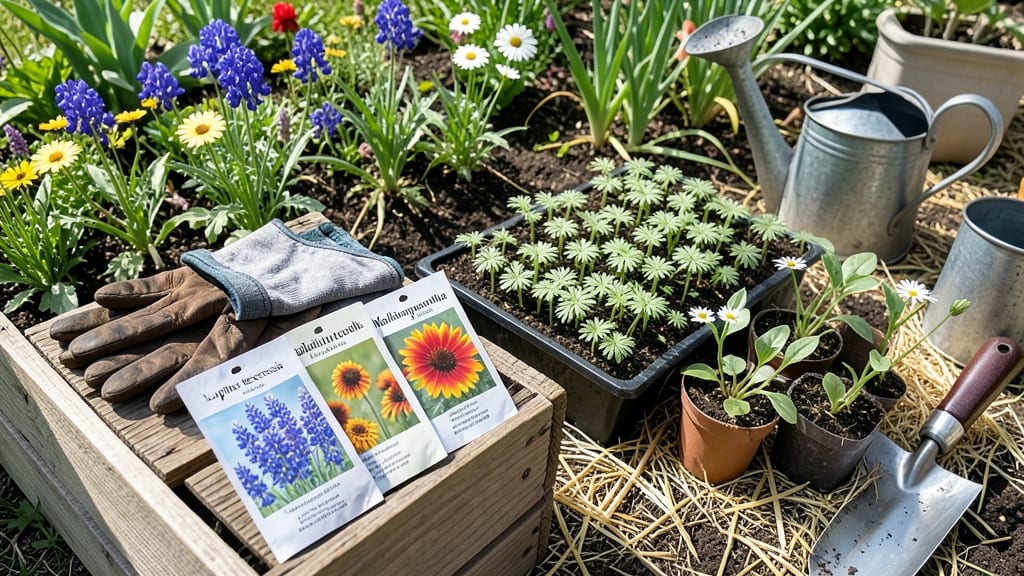
Timing your flower planting in North Texas can mean the difference between a showstopping garden and a sad, wilted disappointment. With USDA Zone 7b-8a bringing unpredictable frost dates and scorching summers, knowing the exact months to plant your 🌸 is the key to success.
You don’t want to rush your spring blooms only to lose them to a late frost, or wait too long and miss the perfect window for fall color. I’ve spent years perfecting the schedule—from hardy perennials to delicate annuals—and I’m sharing the exact months that work in North Texas.
Whether you’re dreaming of vibrant zinnias in summer or cheerful daffodils in spring, the right timing ensures your flowers thrive. Let’s break down the best months to plant, so you can enjoy a garden that blooms all season long without the guesswork.
From soil prep to avoiding common mistakes, I’ll show you how to set your flowers up for success—so you can spend less time worrying and more time admiring your garden’s beauty.
North Texas frost zones & exact planting months by flower type
North Texas spans USDA Zones 7b-8a, where last frost typically hits March 15 and first frost arrives around November 15. These dates are your planting anchors—plant too early and a surprise frost will kill tender blooms, while waiting too late risks summer heat stress.
The key is matching each flower type to its ideal window.
For spring-blooming annuals like marigolds and zinnias, aim for February-March planting. These heat-lovers thrive when soil temps hit 60°F+, which usually occurs by mid-March. Perennials like black-eyed Susans and coneflowers can go in late winter (January-February) since they establish roots before blooming.
Bulbs like tulips and daffodils need a different approach—plant them in October-November to let them root before winter dormancy. This gives them time to bloom early next spring when temps warm up.
Native Texas flowers like bluebonnets and Mexican feather grass are even more forgiving—they self-seed easily and handle April-May planting without fuss.
Fall planting (August-October) is your second chance for summer annuals like cosmos and sunflowers. These varieties tolerate heat better than spring-planted flowers and often bloom until first frost. Just be sure to water deeply after transplanting to help them establish before summer’s end.
Pro tip: Use mulch (2-3 inches of shredded bark) after planting to retain moisture and regulate soil temperature. This is especially critical in Zone 7b areas like Denton and Waco, where nighttime temps can still dip below freezing in early spring.
For container gardens, start petunias and geraniums indoors in January to give them a head start. These heat-sensitive varieties need 8-10 weeks of growing time before outdoor planting, so timing is everything. Harden them off gradually by moving pots outside for 2-3 hours daily starting in late February.
Remember: North Texas’ 215 frost-free days create a long growing season. By planning two planting cycles—spring and fall—you can enjoy continuous blooms from March through November. Just avoid planting heat-sensitive annuals after June 1, as summer’s relentless sun will stress them.
Local nurseries often stock heat-tolerant varieties like Lantana and Portulaca specifically for North Texas gardeners. These thrive in full sun and require minimal water once established—perfect for our Zone 8a summers in Abilene and Fort Worth.
🌸
How to extend your flower season in North Texas heat
North Texas summers can turn your garden into a wilted wasteland if you don’t plan ahead. But with the right strategies, you can keep your flowers blooming from March through November—even when temperatures soar. The key is choosing heat-tolerant varieties, protecting roots, and watering smartly.
I’ve tested these techniques in my own garden, and they’ve kept my zinnias, salvias, and black-eyed Susans thriving when other gardens fade. Let’s dive into the proven methods that work in our USDA Zone 7b-8a climate.
5 Proven Strategies to Beat the Heat
- 1. Choose shade-loving varieties like coleus, impatiens, and snapdragons for partial shade areas. These thrive in afternoon shade while still delivering color.
- 2. Mulch heavily with 2-3 inches of organic mulch (straw or wood chips) to retain moisture and cool roots. Reapply every 2-3 months.
- 3. Water deeply in mornings (before 10 AM) to reduce evaporation. Aim for 1-1.5 inches per week during peak heat.
- 4. Use shade cloth (30-50%) over newly planted annuals during July-August to protect delicate foliage.
- 5. Succession plant every 4-6 weeks from April-October to ensure continuous blooms. Replace spent flowers with heat-resistant varieties.
Don’t forget about native Texas flowers like Mexican feather grass and blanket flower. These are bred to handle our 100°F+ summers with minimal fuss. Pair them with drought-tolerant perennials like lantana or yarrow for a low-maintenance, high-impact garden.
For container gardens, switch to self-watering pots and use lightweight potting mix with added perlite. This prevents soil from baking hard and helps roots stay cool. I’ve seen petunias and geraniums thrive in containers with this setup during August heatwaves.
Finally, prune spent blooms regularly to encourage new growth. Deadheading zinnias and marigolds every 7-10 days keeps them producing flowers instead of going dormant. This simple step can extend your blooming season by 3-4 weeks.