
Flowers
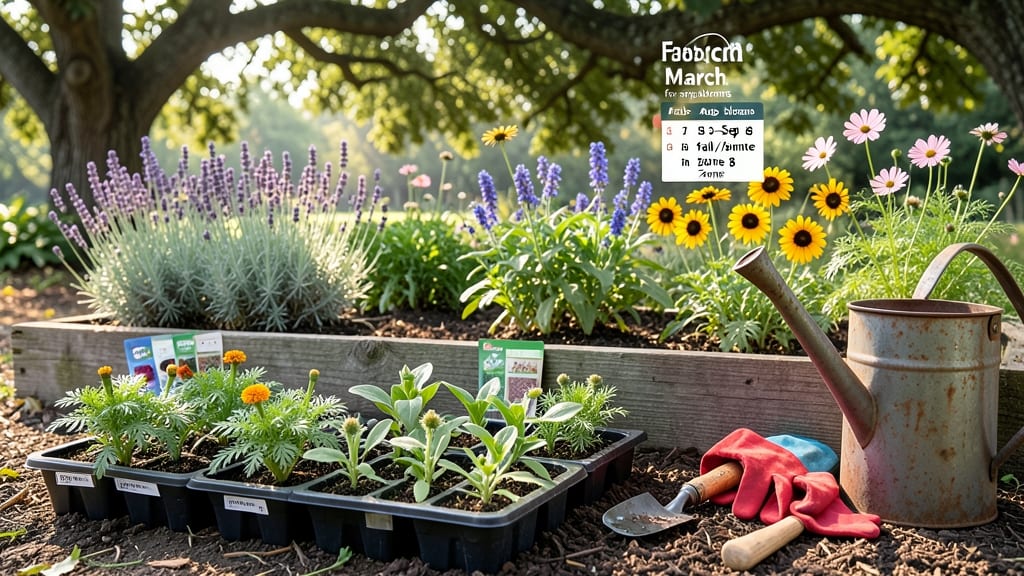
Knowing when to plant flowers in Zone 8 can mean the difference between a vibrant, year-round garden and one that struggles to keep up with your dreams. With 240 frost-free days, this zone gives you a golden opportunity—but only if you time your plantings just right.
Fall is actually the sweet spot for many flowers, especially perennials that need time to establish roots before winter. But don’t overlook spring’s second chance for annuals that crave warmth.
I’ll break down the exact months to plant, so you can avoid common mistakes and enjoy blooms from March through October.
The key? Understanding your microclimate and frost dates, which can shift slightly depending on where you live in Zone 8. Whether you’re a beginner or a seasoned gardener, these insights will help you create a garden that stays lush and colorful—no matter the season.
Ready to transform your outdoor space? Let’s dive into the month-by-month schedule that’ll keep your 🌸 flowers thriving all year long.

Zone 8 flower planting calendar: best months by bloom type
Zone 8’s mild winters and long summers give you two prime planting windows for flowers: fall (September-November) and spring (February-April). But timing matters—plant perennials 6-8 weeks before first frost (mid-November) for root establishment, while annuals thrive when soil warms to 60°F+ in spring.
Let’s break down the best months for each flower type to avoid frost damage or heat stress.
Cool-season flowers like pansies and snapdragons love Zone 8’s fall planting, while heat-lovers such as marigolds and zinnias need spring’s warmer soil. Bulbs like tulips and daffodils should go in October-November for spring blooms.
Below, I’ve organized the ideal planting schedule by flower category—plus frost-free deadlines to protect your investment.
🌱 Pro Tip: Use mulch after fall planting to insulate roots from freeze-thaw cycles in Zone 8’s mild winters.
| Flower Type | Best Planting Months | Key Notes | Frost Deadline |
|---|---|---|---|
| Cool-Season Annuals | September–October, February–March | Pansies, snapdragons, sweet alyssum | Before mid-November or after mid-February |
| Heat-Loving Annuals | March–April (after last frost) | Marigolds, zinnias, sunflowers, petunias | Soil must be 60°F+ |
| Perennials | September–October (fall) or March (spring) | Coneflowers, black-eyed Susans, lavender | 6–8 weeks before first frost |
| Spring-Blooming Bulbs | October–November | Tulips, daffodils, hyacinths | Before ground freezes (usually late Nov) |
| Tender Perennials | April–May (after frost risk) | Dahlias, cannas, crocosmia | Wait for stable 50°F+ nights |
🌸 Zone 8 Planting Deadlines
For spring planting, start with hardy annuals like calendulas in February (they tolerate light frost), then transition to heat-lovers by April.
In fall, prioritize perennials and bulbs—they establish roots before winter, giving you a head start in spring. Marigolds and zinnias, however, cannot handle cool soil, so wait until after last frost (usually mid-March).
Zone 8’s microclimates matter too. Coastal areas stay milder, while inland spots may see earlier frosts. Check your local frost dates (e.g., Sacramento vs. San Diego) and adjust by 2–4 weeks.
For example, San Diego’s last frost is often January 31, while Phoenix’s is never—so tender flowers can go in December there.
If you miss the ideal window, don’t panic! Succession planting lets you add new batches every 2–3 weeks for continuous blooms. For instance, plant cosmos in April, then again in June to extend their summer-to-fall display. Petunias and geraniums also thrive with staggered plantings.
💡 Expert Hack: Use row covers to protect early spring plantings from unexpected chilly snaps (common in Zone 8’s transition months).
Finally, soil temperature is your best friend. Use a soil thermometer—most flowers need 50°F+ for roots to grow. Cool-season crops (like pansies) tolerate 40°F+, while tropicals (like hibiscus) need 70°F+. Test your soil before planting to avoid slow growth or rot.
With this month-by-month guide, you’ll avoid frost bites and heat stress, ensuring your Zone 8 garden bursts with color from early spring to late fall. Next, we’ll tackle 5 common timing mistakes that even experienced gardeners make—and how to fix them.
Zone 8 flower planting calendar: best months by bloom type
Zone 8’s mild winters and long summers give you a 12-month window to plant flowers—but not all blooms thrive in the same season. Cool-season annuals like pansies love fall planting, while heat-loving zinnias demand spring warmth.
Perennials, however, often establish roots best in late summer or fall, avoiding summer stress.
Timing isn’t just about frost dates (though first frost in Zone 8 typically hits mid-November); it’s also about soil temperatures. Annuals planted in cooler spring soil may rot, while tender perennials like dahlias need to go in the ground after last frost but before summer heat peaks.
🌸 Zone 8 Flower Planting Timeline
| Season | Best Flowers | Planting Window | Key Tip |
|---|---|---|---|
| Early Spring (Feb-Mar) | Sweet peas, snapdragons, petunias | After soil warms to 55°F | Start seeds indoors 6-8 weeks early |
| Late Spring (Apr) | Marigolds, zinnias, sunflowers | After last frost (mid-April) | Direct sow after soil reaches 60°F |
| Summer (Jun-Jul) | Cosmos, black-eyed Susans, late dahlias | Succession plant every 2 weeks | Mulch to retain moisture |
| Fall (Sep-Oct) | Pansies, calendula, asters | 6-8 weeks before first frost | Plant perennials by mid-October |
Bulbs like tulips and daffodils need fall planting (September-October) to naturalize, while tender bulbs such as cannas wait until spring after frost risk passes. My pro tip: Mark your calendar for mid-October—this is the last chance to plant cool-season annuals before winter sets in.
Don’t overlook succession planting! For example, zinnias planted in early June will bloom until frost, but a second planting in July extends color into autumn. Similarly, cosmos self-seed prolifically, giving you free blooms next year if you leave some stems.
Microclimates matter in Zone 8. Coastal areas stay warmer longer, while inland zones may see earlier frosts. Observe your garden’s sun exposure and wind patterns: Shady spots can handle late spring plantings of impatiens, while full-sun beds need heat-tolerant varieties like lantana or portulaca.
Protect tender perennials like dahlias and canas by planting them after Memorial Day (late May) when soil temperatures consistently stay above 60°F. For maximum blooms, pinch back early growth to encourage bushier plants—just don’t wait until July, or you’ll lose summer flowers.