
Plants
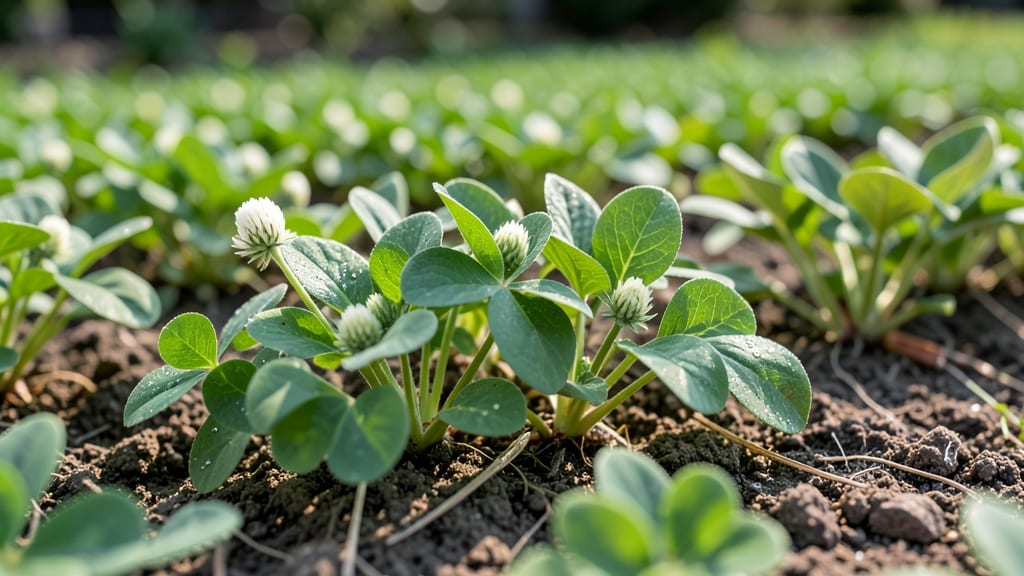
Timing when to plant food plots for deer in Georgia wrong can mean wasted seeds and missed hunting opportunities—especially when frost dates shift dramatically from North to South Georgia. If you plant too early, summer heat will fry your plots before they even establish.
Too late, and you might miss the peak deer feeding window when bucks are gearing up for rut season.
I’ve spent years tracking frost-free windows across Georgia’s 7a-8b zones, and the difference between a thriving plot and a failed one often comes down to just a few weeks of perfect timing.
Whether you’re planting clover for spring or brassicas for fall, getting the dates right means deer will have fresh forage exactly when they need it most.
Let’s break down the exact frost-free planting windows by county so you can align your Food Plots for Deer with Georgia’s seasonal rhythms.
You’ll learn which crops to plant in late summer for fall attraction and how to prep your soil for maximum deer impact—without guessing or wasting money on failed plots.
Ready to turn your property into a whitetail magnet? The key starts with understanding when to plant—and we’ve got the data to make it foolproof for Georgia hunters.
Georgia's frost-free planting windows by county for maximum deer impact
Georgia's diverse climate means last frost dates can vary by 6 weeks between northern and southern counties. Planting your food plots for deer outside these windows risks frost damage or missed growth peaks during rut season (October-November).
Let's break down the optimal planting windows by region to ensure your plots thrive when deer are most active.
In North Georgia (USDA Zones 7a-7b), where counties like Fannin and Dawson experience colder winters, aim to plant cool-season crops like clover and brassicas by late August to mid-September. This gives plants 6-8 weeks of growth before first frost (typically mid-November), ensuring they establish strong roots before winter.
Southern counties like Camden and Glynn (Zone 8a) have longer growing seasons with last frosts as late as mid-March. Here, you can plant warm-season crops like sorghum or millet as early as mid-April and cool-season crops until late October.
This extended window lets you double-crop for year-round deer attraction.
Timing is everything—planting clover mixes too early in North Georgia risks frost damage, while delaying in South Georgia means missed rut-season forage. Use these county-specific windows to align your plots with deer feeding patterns during peak hunting months.
| Region | Last Frost Date | First Frost Date | Cool-Season Planting Window | Warm-Season Planting Window |
|---|---|---|---|---|
| North GA (Fannin, Dawson, Habersham) | Mid-March | Mid-November | Late Aug - Mid-Sept | Mid-April - Late May |
| Central GA (Bibb, Walton, Morgan) | Early March | Late October | Late Aug - Early Oct | Early April - Early June |
| South GA (Camden, Glynn, Brantley) | Mid-March | Early December | Late Aug - Late Oct | Mid-March - Late June |
For maximum deer impact, prioritize cool-season crops like clover and brassicas (turnips, radishes) in August-September—these provide high-protein forage when bucks are bulking up for the rut. In South Georgia, you can even plant winter rye as late as October for late-season attraction.
Use soil thermometers to confirm soil temperatures are below 80°F before planting cool-season crops. Warm soil speeds germination, but hot surface temps can stress young seedlings. In North Georgia, wait until late August to avoid early-season heat stress.
Pro tip: Double-check local frost dates using the Georgia Automated Environmental Monitoring Network (GAEMN). Their county-specific data can adjust your planting by 1-2 weeks for microclimates. For example, mountain counties like Rabun may need planting 2 weeks earlier than Athens-Clarke.
Aligning your food plot timeline with deer behavior means planting clover mixes in late summer for fall rut forage and warm-season crops in spring to attract does and fawns. This year-round strategy keeps deer visiting your property consistently.
Remember: Deer don't read calendars—they respond to available food. By planting within these frost-free windows, you ensure your plots are lush and productive during peak hunting seasons, not wilted or frost-bitten. Start planning now to avoid last-minute mistakes!
Best food plot crops for Georgia's climate and deer season timing
Georgia's diverse climate means you can grow food plots that attract deer year-round, but timing is everything. Planting the right crops at the right time ensures your plots thrive during peak deer activity—especially during the rut (September-October) and winter months when natural food is scarce.
Let's break down the best crops and their ideal planting windows.
For spring planting, focus on cool-season crops like clover and brassicas (turnips, radishes) that deer love. These should be sown in March-April in North Georgia or February-March in South Georgia, just after the last frost.
These crops grow quickly and provide early-season nutrition for bucks gearing up for the rut.
🌾 Numbered Highlights: Georgia Food Plot Crops by Season
- Spring (March-April): Clover (white, red, or alsike) for early protein. Plant after last frost when soil temps reach 50°F+.
- Summer (June-July): Sorghum-sudangrass mixes for late-season growth. Ideal for August rut when deer need energy.
- Fall (August-September): Brassicas (turnips, radishes) for winter forage. Plant 60 days before first frost for peak maturity.
- Winter (October-November): Winter peas or ryegrass for late-season browse. Plant in September for winter harvest.
For fall planting, warm-season crops like sorghum-sudangrass and sunflowers are perfect. These should be sown in July-August to establish roots before cooler weather arrives. These crops grow quickly and provide late-season nutrition when deer are most active during hunting season.
Don't overlook perennial crops like lespedeza or sericea lespedeza, which establish in spring and provide food for years. These are especially valuable for winter food sources when other crops have died back. Plant in April-May for best results.
Pro tip: Mix 3-4 crop types in each plot to extend the growing season. For example, pair clover (spring) with turnips (fall) and ryegrass (winter) for continuous deer attraction. This strategy ensures food is always available, even during Georgia's variable frost windows.
Always check local frost dates (North vs South Georgia) and adjust planting by 1-2 weeks if needed. A well-timed food plot can mean the difference between hungry deer and a missed harvest. 🌱