
Plants
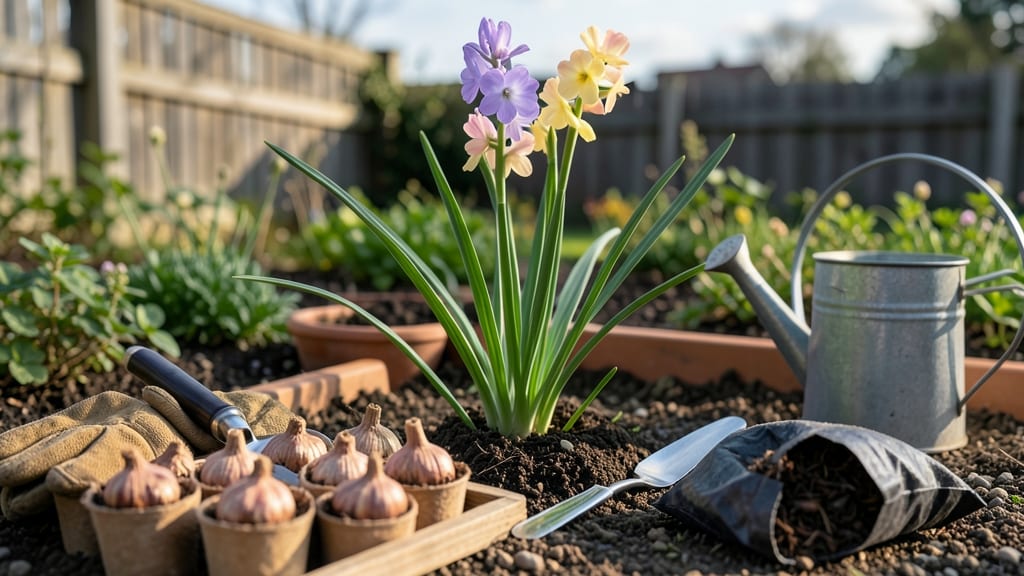
Knowing when to plant freesias in the UK is the secret to those fragrant 🌸 blooms gracing your garden—without turning into a frost casualty. Whether you're in chilly London or milder Cornwall, timing matters more than you'd think.
The key is planting bulbs when soil temperatures hit 5°C and frost risks fade—typically between September and November for spring blooms or March and April for summer ones. But here's the catch: regional differences mean London's last frost lingers until mid-March, while Cornwall's soil warms earlier.
I’ll walk you through the exact frost-free windows for your area, plus soil prep tips to ensure your freesias thrive. No more guessing—just vibrant blooms and fewer frost-related disappointments.
Ready to transform your garden? Let’s dive into the step-by-step planting strategy that works for UK climates, whether you’re a seasoned gardener or just starting out.
UK freesia planting dates by region: frost-free timelines explained
Freesias (Freesia spp.) thrive in the UK when planted during the frost-free window, which varies dramatically across regions. In London (USDA Zone 8a), aim for September 15 to November 1 for spring blooms, while Cornwall (Zone 9b) gardeners can plant until November 15 thanks to milder winters.
These bulbs require soil temperatures above 5°C to sprout successfully.
The key to success lies in understanding your last frost date. In Scotland and Northern Ireland, where frosts linger until mid-April, spring planting (for summer blooms) should wait until March 15.
Meanwhile, Wales and the Midlands fall between these extremes, typically targeting September 20 to October 15 for fall planting.
Here’s how to match your region’s frost-free window with the ideal planting timeline:
For spring blooms, plant bulbs in fall (September–November) so they establish roots before winter. This gives them a 6–8 week head start before emerging in spring. In contrast, summer blooms require spring planting (March–April), allowing flowers to mature by July.
Use a soil thermometer to confirm temperatures are above 5°C (41°F) before planting. In cooler regions like Scotland, wait until soil warms naturally—typically late April—to avoid frost damage to tender shoots. Mulch with straw or bark after planting to insulate bulbs during winter.
Pro tip: Pre-chill bulbs for 6–8 weeks at 4°C (39°F) before planting in warmer regions (Cornwall, Devon). This mimics winter conditions and encourages synchronized blooming. Store bulbs in a paper bag in your fridge’s crisper drawer for best results.
If you’re unsure about your local frost dates, check the Met Office’s frost risk maps or use garden-specific apps like Gardeners’ World Plant Finder. These tools provide hyper-localized advice tailored to your postcode, ensuring you never plant too early or too late.
Remember, freesias are not hardy perennials in the UK—they’ll die back after flowering and need replanting annually. However, with the right timing, you’ll enjoy vibrant, fragrant blooms year after year with minimal effort.
🌸
How to prepare freesia bulbs for UK planting: step-by-step guide
Preparing your freesia bulbs for UK planting is the secret to avoiding frost damage and ensuring those fragrant spring blooms. Since freesias thrive in well-draining soil with a slightly acidic pH (6.0-6.5), proper prep is key.
Start by inspecting each bulb for soft spots or mold—discard any that look compromised to prevent disease.
Next, give your bulbs a pre-chilling period if planting in fall for spring blooms. Place them in a paper bag with slightly damp peat moss and refrigerate for 6-8 weeks at 4-6°C (39-43°F). This mimics winter conditions and encourages strong root growth before the ground freezes.
- Inspect bulbs: Remove damaged or moldy bulbs immediately.
- Pre-chill: Store bulbs in damp peat moss for 6-8 weeks at 4-6°C.
- Soil prep: Mix compost into well-draining soil (add perlite if clay-heavy).
- Depth test: Plant bulbs 2 inches deep, spacing 3 inches apart.
- Water lightly: Moisten soil after planting to encourage rooting.
For soil preparation, freesias hate soggy conditions, so amend heavy clay with sand or grit to improve drainage. If your garden soil is poorly draining, consider planting in raised beds or containers.
A light mulch of straw after planting helps retain moisture while protecting bulbs from early frosts.
When planting, use a trowel to dig holes just 2 inches deep—this ensures bulbs stay snug but won’t rot from overwatering. Space them 3 inches apart to allow airflow, reducing the risk of fungal diseases.
After planting, give the soil a gentle watering to settle it around the bulbs without displacing them.
If you’re planting in containers, use a fast-draining mix like cactus compost blended with perlite. Place pots in a sheltered spot (like a greenhouse or cold frame) to extend the growing season.
Remember, freesias are not hardy perennials in the UK—they’ll die back after flowering, so treat them as annuals or lift and store bulbs after blooming.
Finally, mark your planting spots with biodegradable tags to avoid disturbing bulbs next year. Freesias need 6-8 weeks of cool soil to establish roots, so aim to plant 4-6 weeks before your region’s first frost.
In warmer areas like Cornwall, you can plant as late as early November, while cooler zones like Scotland should plant by mid-October.
With these steps, your freesias will burst into vibrant blooms come spring—just in time for Mother’s Day or Easter displays! 🌸