
Planting
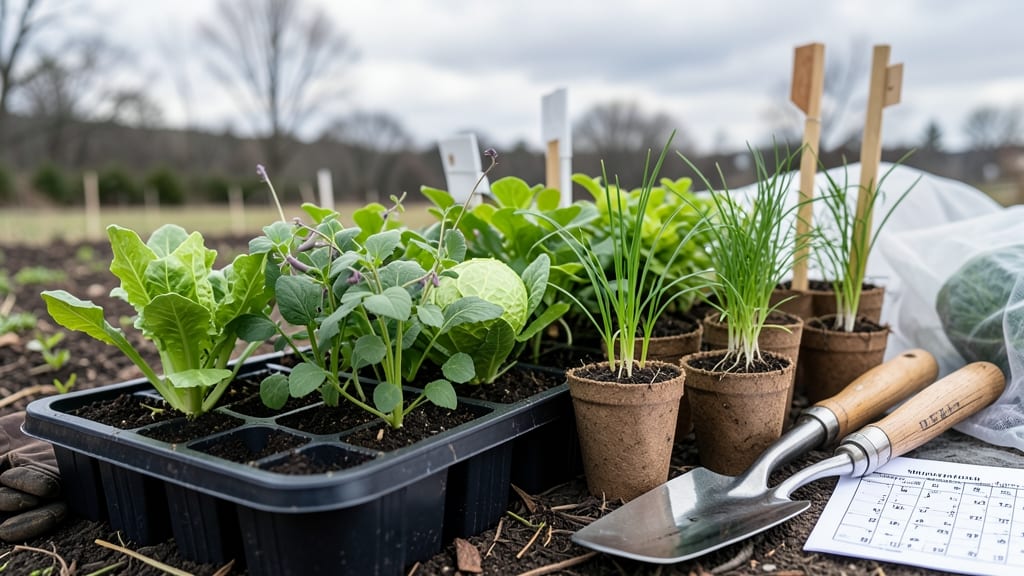
When to plant a garden in Wisconsin isn’t just about throwing seeds into the dirt—it’s the difference between a bumper crop and a sad, wilted disappointment. With USDA zones 4a-5b and frost dates that can shift like a political debate, knowing when to plant your 🌱 General Garden Vegetables & Flowers is half the battle.
You’ve got two main windows: mid-April to mid-June for spring planting (after that last pesky frost) and late July to August for fall crops. But here’s the kicker—northern Wisconsin’s chillier air means you’ll need to wait longer than the warmer southern regions.
Get this wrong, and you’ll either be chasing slugs in a frozen garden or watching your tomatoes bolt before they ripen.
I’ll break down the exact frost-free timeline for your zone, so you can plant cool-season crops like spinach 4-6 weeks before that final frost and warm-season favorites like tomatoes 2-3 weeks after. No more guessing—just a clear, actionable schedule tailored to Wisconsin’s quirks.
Ready to turn your garden into the envy of the neighborhood? Let’s dive into the month-by-month planting plan that’ll have you harvesting like a pro—no frost-related surprises included.
Wisconsin’s frost-free dates by Zone: when to start planting vegetables
Wisconsin’s USDA Hardiness Zones 3-5 create a unique challenge for gardeners—northern regions (Zone 3-4) face earlier frosts, while southern areas (Zone 5) enjoy slightly longer seasons. Knowing your last average frost date (typically mid-May) and first frost (usually mid-October) is critical for timing plantings.
For example, Zone 3 gardeners in northern Wisconsin may have only 140 frost-free days, while Zone 5 gardeners in the south enjoy up to 180 days. This difference impacts everything from cool-season crops like spinach to warm-season favorites such as tomatoes.
To simplify planning, I’ve broken down the key planting windows for Wisconsin’s most popular vegetables, organized by crop type and hardiness zone. Whether you’re growing leafy greens in early spring or tomatoes in summer, these timelines ensure you maximize your garden’s potential without risking frost damage.
For instance, cool-season crops like peas and lettuce can often be planted 4-6 weeks before the last frost, while warm-season crops like peppers and eggplants need to wait until 2-3 weeks after the frost has passed.
Understanding these zone-specific timelines helps you avoid common mistakes, like planting tomatoes too early in Zone 3 or missing out on fall harvests in Zone 5.
For example, in Zone 4, where the last frost typically hits early May, you can safely plant cool-season crops like peas and spinach as early as early April. Meanwhile, warm-season crops like tomatoes and peppers should wait until early May to ensure they’re not nipped by frost.
In Zone 5, the longer season allows for earlier starts indoors (as early as mid-March) and fall plantings extending into mid-August.
One of my favorite Wisconsin gardening hacks is using succession planting to stretch the season. For instance, in Zone 4, I’ll plant a first batch of lettuce in early April, a second batch in late May, and a third batch in early August for a continuous harvest.
This strategy works especially well for fast-growing crops like radishes, bush beans, and lettuce. Additionally, keeping a gardening journal to track your local frost dates and plant performance helps refine your timing each year.
For example, I’ve noted that Milwaukee’s Zone 5 often experiences a late frost in early May, so I adjust my tomato planting to mid-May instead of the traditional early May date.
If you’re new to Wisconsin gardening, don’t
Best planting schedule for Wisconsin crops: month-by-month guide
Wisconsin’s short growing season demands precise timing—planting at the right moment ensures your vegetables, herbs, and flowers thrive. My month-by-month guide breaks down the best windows for each crop type, including succession planting tips to maximize your harvest.
Start with cool-season crops like spinach and peas in early spring (March–April) for harvests before summer heat arrives. Warm-season crops such as tomatoes and peppers need to wait until after the last frost, typically mid-May to early June in most of Wisconsin.
- March–April: Start cool-season veggies (spinach, peas, lettuce) and indoor seedlings (tomatoes, peppers).
- May: Plant hardy warm-season crops (beans, squash) after last frost. Use row covers for early starts.
- June: Transplant tomatoes, peppers, and corn into warm soil. Begin succession planting for lettuce and radishes.
- July–August: Sow fall crops (kale, carrots, broccoli) and late-season flowers for autumn blooms.
- September: Plant garlic and onions for next year’s harvest. Extend season with cold frames.
For continuous harvests, practice succession planting—sow small batches of crops like radishes or lettuce every 2–3 weeks from spring to early summer. This keeps your garden productive and reduces waste.
Adjust your schedule if frost lingers—check the UW Extension’s frost date maps for your specific USDA Zone (4a–5b). Southern Wisconsin (Zone 5b) can plant 2 weeks earlier than northern areas (Zone 4a).
Don’t overlook fall planting! Many crops, like kale and carrots, thrive in cooler weather. Plant them 6–8 weeks before the first frost (typically late July–early August) for a late-season harvest.
Pro tip: Mark your calendar with local frost dates and set reminders for planting deadlines. A well-timed garden in Wisconsin rewards you with abundant harvests despite the short season. 🌿