
Plants
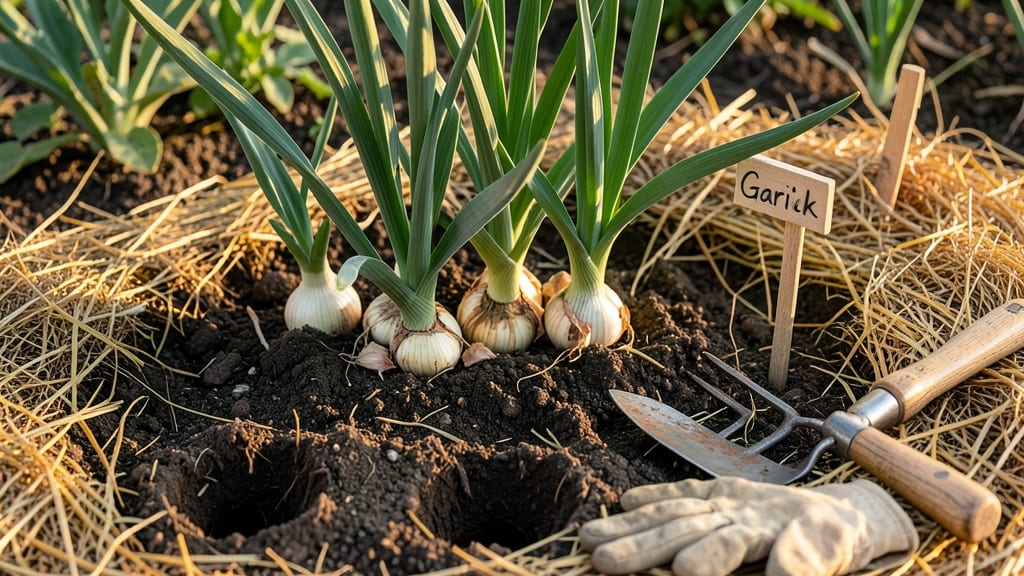
If you’ve ever wondered when to plant garlic in Zone 4b, timing isn’t just a suggestion—it’s the difference between a bumper crop of plump bulbs and a sad, stunted harvest.
In this cold climate, garlic needs to root deeply before winter sets in, but planting too early risks rot, while waiting too long means frost will stunt growth. The sweet spot? A 4-6 week window before the ground freezes, giving your 🧄 just enough time to establish before winter’s chill.
Most gardeners in Zone 4b swear by fall planting—typically between mid-October and November—when soil temps hover around 40-50°F. This timing lets garlic develop strong roots before winter dormancy kicks in, setting the stage for a robust harvest the following summer.
But what if you miss that window? Spring planting is possible, though it comes with trade-offs, like smaller bulbs and higher pest risks.
What makes Zone 4b’s garlic-growing season unique is the need to balance frost dates with soil conditions. Unlike warmer zones, you can’t wait until spring—your garlic needs 240-300 days to mature, and planting too late means bulbs won’t fully develop before summer heat arrives.
The key is preparing your soil now, so when the right window opens, you’re ready to plant with confidence.
In this guide, I’ll break down the exact months to plant, how to prep your soil for Zone 4b’s climate, and the subtle clues (like leaf color and stem flattening) that tell you harvest time is near.
Whether you’re a first-timer or a seasoned grower, these tips will help you maximize your yield—no guesswork required.

Best months to plant garlic in Zone 4b for maximum yield
In Zone 4b, where winters are cold and summers are short, planting garlic at the wrong time can mean the difference between a bountiful harvest and wasted effort. The key is planting when soil temperatures drop below 70°F (21°C) but before the ground freezes solid.
This window ensures cloves establish roots while avoiding rot from warm, wet soil.
Most gardeners in Zone 4b achieve the best results by planting in October or early November. This timing gives garlic enough time to develop a strong root system before winter dormancy.
For those who miss this window, spring planting in March is a viable backup—but yields may be smaller due to shorter daylight hours.
Hardneck varieties, like Music or German Red, thrive in Zone 4b’s cold winters, while softneck varieties such as Artichoke can also succeed but require extra care to protect bulbs from frost heave. Understanding these differences is crucial for selecting the right type for your climate.
Here’s the critical factor: soil temperature. Garlic cloves need soil temps between 40°F and 50°F (4°C–10°C) to sprout successfully. If you plant too early (e.g., September), the soil may still be too warm, leading to rot. If you wait too long (e.g., December), the ground freezes before roots establish.
| Factor | Fall Planting (Oct–Nov) | Spring Planting (March) |
|---|---|---|
| Optimal Soil Temp | 40°F–50°F (4°C–10°C) | 45°F–55°F (7°C–13°C) |
| Best Varieties | Hardneck (Music, Rocambole) | Softneck (Artichoke, Silverskin) |
| Yield Potential | High (large bulbs) | Moderate (smaller bulbs) |
| Frost Risk | Low (roots established) | High (slow growth) |
| Harvest Window | Late July–Early August | Late August–September |
🌱 Fall planting wins for hardy, high-yield garlic in Zone 4b.
For Zone 4b gardeners, I recommend prioritizing fall planting for hardneck varieties, which handle cold winters better. Start by selecting large, healthy cloves from the outer bulb (the largest cloves produce the biggest bulbs). Soak them in water for 6–12 hours before planting to encourage faster sprouting.
When planting, bury cloves 2 inches deep, with the pointed end up, and space them 4–6 inches apart in rows 12 inches apart. This spacing prevents crowding and reduces disease risk.
After planting, apply a 2-inch layer of mulch (straw or leaves) to insulate the soil and protect cloves from extreme cold.
One common mistake in Zone 4b is planting too close to winter. Aim to finish planting at least 4–6 weeks before the first hard frost (typically mid-November in most of Zone 4b). Use a soil thermometer to monitor temperatures—cloves need time to root before the ground freezes.
Spring planting in Zone 4b is riskier but can work if you use softneck varieties and plant early. Start in March when soil temperatures reach 45°F (7°C) and expect a harvest 2–3 weeks later than fall-planted garlic. However, spring garlic often produces smaller bulbs due to shorter daylight periods.
To maximize success, I test my soil’s drainage and pH before planting. Garlic prefers well-draining soil with a pH of 6.0–7.0. Amend heavy clay soils with compost or sand to improve drainage, and add aged compost to boost fertility. Avoid fresh manure, which can burn cloves and cause rot.
Finally, remember that Zone 4b’s short growing season demands precision. By planting in October or early November and choosing cold-hardy varieties, you’ll set yourself up for a reliable harvest the following summer—even in harsh winters. The effort pays off with bold-flavored, homegrown garlic that’s worth every minute of planning.
Best months to plant garlic in Zone 4b for maximum yield
In Zone 4b, garlic thrives when planted in fall—specifically between mid-October and November. This timing ensures cloves establish roots before winter dormancy, while still allowing enough warmth to sprout in spring. Spring planting is possible but riskier, with harvests often smaller due to shorter growing seasons.
Hardneck varieties like 'German Red' or 'Music' are ideal for Zone 4b—they handle cold well and produce flavorful rocmots. Softneck varieties like 'Silverskin' can also work but may struggle with winter chill. Always use large, firm cloves from organic sources for best results.
| Factor | Fall Planting | Spring Planting |
|---|---|---|
| Best Months | October-November | March-April |
| Soil Temp | 40-50°F | 50-60°F |
| Yield Potential | High (80-90%) | Moderate (50-70%) |
| Frost Risk | Low (roots established) | High (late frosts) |
| Harvest Window | Late July-Early August | Late August-September |
For fall planting, aim to get cloves in the ground 4-6 weeks before the first hard frost (typically mid-October in Zone 4b). Use a soil thermometer to confirm temperatures are between 40-50°F—this ensures roots form but growth slows enough to survive winter.
Mulch heavily with straw or leaves (4-6 inches) to insulate bulbs.
Spring planting is only recommended if you miss fall deadlines. Plant hardneck varieties in early March once soil reaches 50°F, but expect smaller bulbs due to limited growing time. Avoid planting after mid-April—garlic needs at least 240 days to mature, and Zone 4b’s short season cuts that short.
Pro tip: Test your soil before planting—garlic prefers pH 6.0-7.0. Amend with compost or aged manure if needed, and avoid fresh nitrogen, which promotes leafy growth over bulbs. A light 10-10-10 fertilizer at planting time (1 cup per 10 sq ft) gives cloves a slow-release boost without overstimulating.
Remember, Zone 4b’s short growing season demands precision. Fall-planted garlic will reward you with larger bulbs and stronger flavors, while spring plantings are a gamble. Start with hardneck varieties—they’re the cold-hardy champions of your garden. 🧄