
Plants
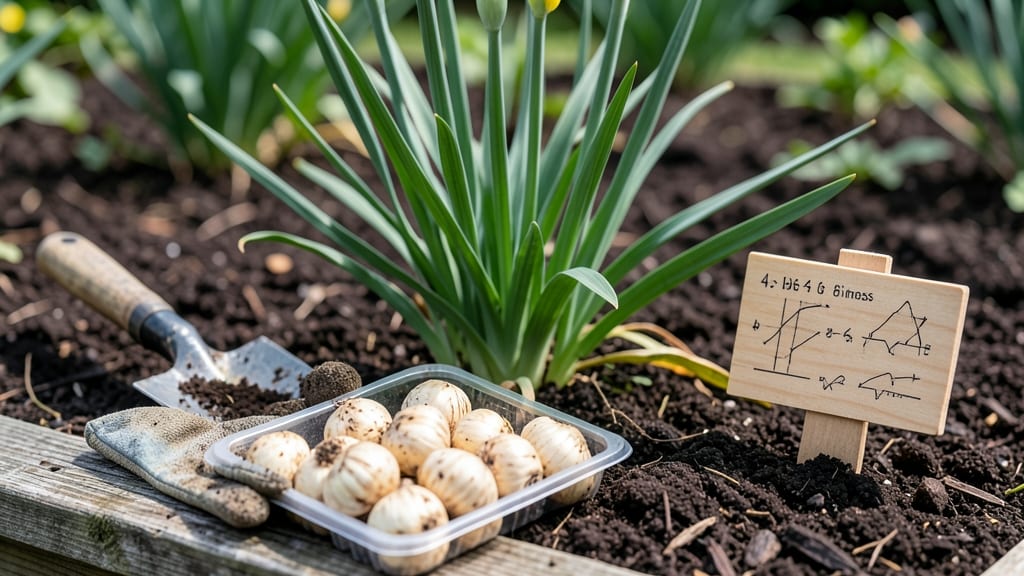
Planting gladiolus bulbs at the wrong time in Tennessee can turn your dream garden into a sad, wilted mess before summer even begins.
These dramatic, spike-like blooms love the state's warm climate, but they demand precise timing—especially in USDA Zone 7, where spring weather can swing from chilly to sweltering faster than you can say "last frost."
I’ve learned the hard way that rushing these corms into cold soil or waiting too long means missing the 2-3 week window before summer heat peaks.
Whether you’re in East Tennessee’s cooler valleys or West Tennessee’s flatter plains, the key is planting when the soil warms to 60°F—not when the calendar says "spring."
This guide cuts through the guesswork with exact dates, soil prep tips, and how to spot the perfect moment to plant. Skip the trial-and-error and get those 🌱 gladiolus corms in the ground just right for bold, summer-long blooms that’ll make your neighbors jealous.
Let’s dive into the timing secrets that’ll have your garden bursting with color—without the frustration. You’ll know exactly when to plant, how to prep your soil, and what to watch for so your gladiolus thrive from spring to fall.
Optimal gladiolus planting timeline in Tennessee (USDA Zone 7)
In Tennessee’s USDA Zone 7, gladiolus bulbs (or corms) thrive when planted after the last spring frost and before the summer heat peaks.
This typically means aiming for late April to early May in most regions, but timing varies slightly between East and West Tennessee due to microclimates. The key is waiting until soil temperatures reach 60°F (15°C)—cold soil slows growth and invites rot.
Gladiolus corms need 2-3 weeks to establish roots before summer’s intense heat arrives. Planting too early risks frost damage or stunted growth, while late planting can lead to bolting (premature flowering) or weak stems.
Tennessee’s average last frost date ranges from mid-March in West Tennessee to early April in the Appalachian foothills, so adjust accordingly.
For a longer bloom season, consider successive planting in two batches: the first in late April for early summer blooms, and the second in early June for late summer color. This works especially well in West Tennessee’s warmer zones, where summers arrive earlier.
Monitor local weather forecasts for heatwaves or unexpected cold snaps. A sudden drop below 50°F (10°C) after planting can shock young corms. Use a soil thermometer to confirm readiness—this small tool is a game-changer for precision planting.
In East Tennessee’s higher elevations (e.g., near Knoxville or Chattanooga), aim for early to mid-May to avoid late frosts. These areas often have 2-3 weeks later frost dates than West Tennessee, so don’t rush. Patience here pays off with taller, hardier stems and more vibrant blooms.
| Stage | Action | Tennessee Timing |
|---|---|---|
| Soil Prep | Amend clay/sandy soil; add compost | March–April (before planting) |
| Planting Window | Plant corms 4–6" deep, 6" apart | Late April–early May (West TN) / Early May (East TN) |
| Post-Planting | Water deeply; mulch to retain moisture | April–June (adjust for rain) |
| Bloom Period | Stake tall varieties; deadhead spent blooms | June–September (varies by variety) |
| Dig & Store Corms | After first frost; cure in shade | October–November |
If you’re unsure about frost dates, use local garden centers as a resource—they track frost data year-round. For example, Memphis gardeners can plant as early as mid-April, while those in Nashville’s cooler pockets should wait until late April to avoid frost risk.
Pro tip: Gladiolus corms planted in late spring (June) will still bloom, but expect shorter stems and fewer flowers. This is ideal for cut flower production if you prioritize quantity over height. Just be prepared for more frequent watering as summer heat intensifies.
For container gardening in Tennessee, plant corms in early May to give roots time to establish before summer’s heat. Use well-draining pots with a minimum 12-inch depth—shallow containers lead to root binding and poor blooms.
Remember, gladiolus blooms are heat-loving but not drought-tolerant. In Tennessee’s humid summers, aim to water deeply 2–3 times per week once blooms appear. Mulching with straw or pine needles helps retain moisture and regulates soil temperature.
How to prepare gladiolus bulbs for Tennessee’s climate before planting
Before you even think about sticking those gladiolus corms into the ground, Tennessee’s humid climate and clay-heavy soils demand some prep work. Skipping this step can lead to stunted growth or bulb rot—neither of which you want when aiming for those showstopping summer blooms.
Start by selecting healthy, firm corms with smooth, unblemished surfaces. Avoid any that feel soft or shriveled, as these are already compromised.
Next, give your corms a climate adjustment if you’re planting early. Tennessee’s spring can swing wildly from chilly nights to sudden heatwaves. If you’re planting in early April or earlier, consider chilling your corms for 4–6 weeks in the fridge (but not the freezer!) to mimic winter conditions.
This trick helps break dormancy and ensures synchronized growth once planted.
Now, let’s talk soil prep. Tennessee’s soil can be a double-edged sword—either too dense with clay or too sandy to retain moisture. Amend your garden bed with 2–3 inches of compost or well-rotted manure to improve drainage and fertility.
Gladiolus bulbs hate soggy roots, so if your soil drains poorly, mix in some perlite or coarse sand. A pH test is also wise; aim for a slightly acidic to neutral range of 6.0–7.0.
⚠️ Tennessee-Specific Warning:
Don’t plant gladiolus corms too deep or too shallow. In Tennessee’s heat, 6-inch depth is ideal—any deeper, and they’ll rot; too shallow, and they’ll bake. Also, rotate planting locations yearly to prevent nematode buildup, a common issue in the region’s humid summers.
One more critical step: pest protection. Tennessee’s humidity is a magnet for thrips and nematodes, which can devastate gladiolus. Soak your corms in a neem oil solution (1 tbsp per gallon of water) for 30 minutes before planting.
For extra defense, sprinkle a thin layer of diatomaceous earth around the planting hole. This natural barrier deters pests without harming your plants or the environment.
Finally, time your planting to align with Tennessee’s frost-free window. Wait until the soil temperature consistently stays above 60°F at a 4-inch depth.
In most of the state, this happens around mid-April to early May, but mountain regions like the Smokies may need to wait until late May. Use a soil thermometer to check—don’t guess!
With these prep steps nailed down, your gladiolus will have the best shot at thriving in Tennessee’s challenging but rewarding climate. Now, let’s talk about how to spot the perfect planting moment before the weather turns against you. 🌱