
Plants
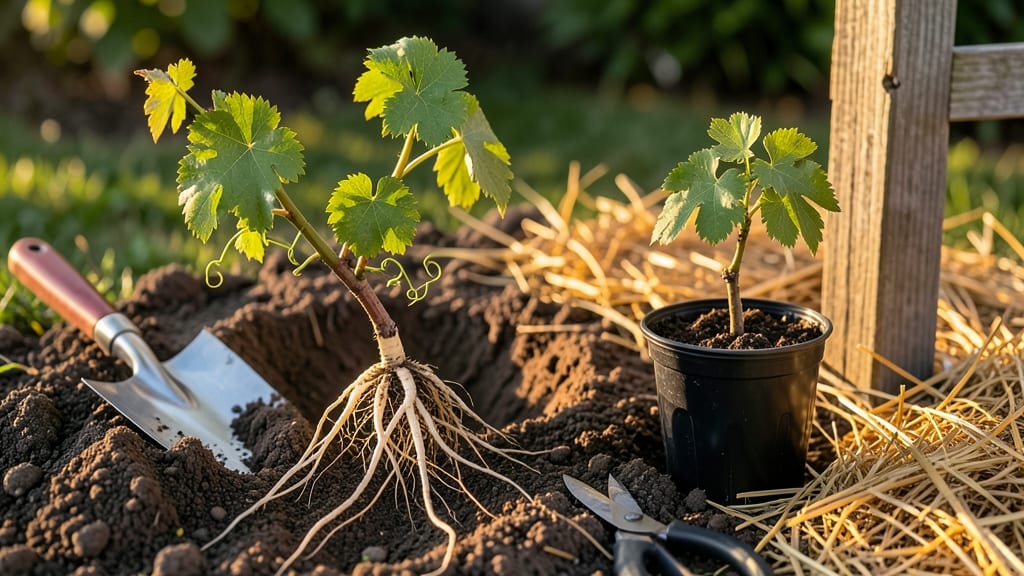
Planting your 🍇 grape vine at the wrong time in Georgia can mean the difference between a thriving vineyard and a disappointing failure.
The key to success lies in understanding when soil temperatures hit that sweet spot for root growth—typically between 50°F and 65°F—which gives your vines the best chance to establish themselves before summer heat arrives.
Georgia’s 7b-8b climate offers a perfect window for planting in late winter to early spring, but getting it right means more than just picking a month. You’ll need to consider regional microclimates, soil prep, and even frost risks that can vary dramatically from the Coastal Plain to the Piedmont.
Let’s break down the exact timing and steps to ensure your grape vines take off fast.
If you’ve ever wondered why some grapevines struggle while others grow like weeds, the answer often comes down to timing. Planting too early risks frost damage, while waiting too long can stunt root development before the growing season peaks.
I’ll show you how to read your soil’s temperature cues and choose the ideal window for your specific grape variety—whether you’re growing muscadines or vinifera.
Ready to set your grape vines up for a successful harvest? We’ll cover everything from soil amendments to irrigation schedules that accelerate growth, so you can enjoy fresh grapes from August to October without the guesswork. Let’s get started!
Optimal Georgia soil temperatures for planting grape vines
Georgia’s diverse climate—from the humid Coastal Plain to the rolling Piedmont—creates unique challenges for grape growers. The critical factor for successful planting isn’t just the calendar month, but soil temperature.
Grape vines need warm roots to establish quickly, and planting too early or late can stunt growth or invite disease. Let’s break down the ideal soil temperature ranges and how they differ across Georgia’s regions.
Most grape varieties thrive when soil temperatures reach 50°F to 65°F at a depth of 4-6 inches. This range triggers root growth without shocking the plant. In Georgia’s USDA zones 7b-8b, this typically aligns with late February to early April, but microclimates can shift these windows by weeks.
For example, Savannah’s coastal zone may see these temps in mid-February, while Atlanta’s Piedmont might wait until late March.
To test your soil temperature, use a soil thermometer (available for $10-$15). Insert it 4-6 inches deep and check readings in the morning between 9-11 AM—this avoids temperature spikes from afternoon sun.
If your soil is below 50°F, wait 1-2 weeks before planting. Above 65°F? You’re risking stress—consider shade cloth or a temporary trellis to protect young vines.
🌱 Georgia Grape Planting Soil Temperature Guide
| Region | Ideal Soil Temp | Planting Window | Key Risk |
|---|---|---|---|
| Coastal Plain (Savannah, Brunswick) | 50°F–60°F | Mid-February to early March | Early frost |
| Piedmont (Atlanta, Macon) | 55°F–65°F | Late March to early April | Heat stress |
| North Georgia (Dalton, Blue Ridge) | 60°F–65°F | Early to mid-April | Late frost |
⚠️ Pro Tip: Use black plastic mulch to warm soil 2–4°F faster in cooler regions.
Georgia’s Muscadine grapes (native to the Southeast) are more frost-tolerant and can handle slightly cooler soils (45°F–55°F), making them ideal for early February plantings in coastal areas.
Meanwhile, Vinifera varieties (like Cabernet Sauvignon) demand warmer soils (60°F+) and should wait until late March or April to avoid root rot. Always check the USDA Plant Hardiness Zone Map for your exact location—Georgia spans zones 7b through 8b, but microclimates can shift these boundaries.
If you’re planting in containers or raised beds, soil warms up 3–5 days faster than in-ground soil. This means you can plant 1–2 weeks earlier in pots, but ensure they’re placed in full sun and use heat-retentive materials like black fabric or gravel.
For in-ground plantings, amend soil with compost to improve warmth retention—this is especially critical in sandy Coastal Plain soils, which heat up quickly but drain too fast.
One common mistake Georgia growers make is planting bare-root vines too early in hopes of an early harvest. But cold soil slows root growth by 50%, leaving vines vulnerable to verticillium wilt and other fungal diseases.
To avoid this, soak bare-root vines in water for 1–2 hours before planting, then bury them 2–3 inches deeper than their original soil line. This extra depth provides insulation from temperature swings.
For those in urban Atlanta or Athens, consider heat-reflective mulches like straw or wood chips. These keep soil temps stable and reduce the risk of heat shock when afternoon temps spike above 85°F.
Pair this with drip irrigation to maintain moisture without wetting the foliage—this combo is a game-changer for first-year survival rates.
Finally, monitor your grape vines’ canopy temperature after planting. On hot afternoons, healthy vines should be only 5–10°F warmer than ambient air. If they’re 15°F+ hotter, they’re under stress—adjust your shade cloth or irrigation immediately. This simple check can save your vines during Georgia’s summer heat spikes.
By mastering these soil temperature triggers, you’ll give your grape vines the best possible start—setting the stage for a bountiful harvest. Next, we’ll dive into the best planting months for Georgia’s two most popular grape varieties: Muscadines and Vinifera.
Best planting months in Georgia by grape variety (muscadines vs. Vinifera)
Georgia’s two dominant grape types—Muscadines and Vinifera—thrive in different planting windows due to their unique cold hardiness. Muscadines, Georgia’s native grapes, handle colder temperatures better, while Vinifera varieties prefer milder conditions. Timing matters because planting too early risks frost damage, while late planting delays root establishment. For Muscadine grapes, aim for late February to early March in most of Georgia. These hardy vines can tolerate cooler soil and benefit from early root growth before the heat of summer. In Coastal Plain regions, you can extend planting slightly later into March due to milder winters.Grape Variety Planting Guide
| Variety | Best Planting Month | Soil Temp | Frost Risk |
|---|---|---|---|
| Muscadines | Late Feb - Early Mar | 50°F-60°F | Low (hardy) |
| Vinifera | Mid-Mar - Early Apr | 60°F-65°F | High (sensitive) |
| Container Grown | Late Mar - Apr | 60°F+ | Moderate |
🍇